



BMW i3 Is an Electric Sedan With Huge Range and Super-Fast Charging
The BMW i3 redefined what a compact electric sedan could achieve. It combined lightweight engineering, fast charging, and sustainable materials long before these became industry norms. The model’s carbon-fiber structure and efficient powertrain made it not only an urban commuter but also a technological statement about BMW’s future. Even years after its debut, the i3 continues to influence how electric sedans are designed, produced, and integrated into a sustainable mobility ecosystem.
The Evolution of BMW’s Electric Vision
BMW’s electrification journey did not begin with the i3, but the model marked a major shift in strategy. It represented BMW’s first attempt to merge premium design with zero-emission driving in a mass-produced car.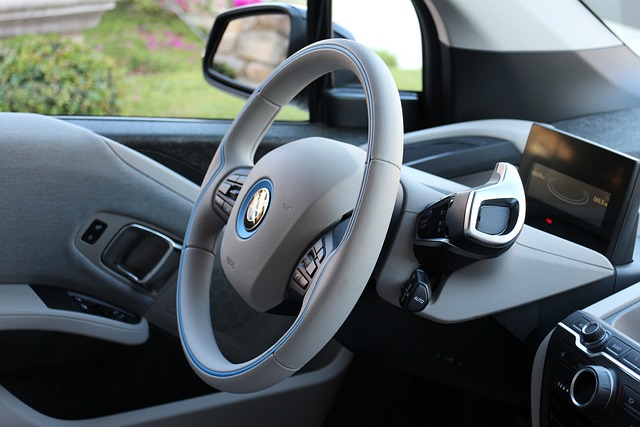
The Strategic Role of the BMW i3 in BMW’s Electrification Roadmap
The i3 served as the cornerstone of BMW’s early electric roadmap. Its purpose was not just to meet emissions targets but to test new materials, manufacturing methods, and consumer acceptance for electric vehicles. The car introduced a dedicated EV architecture rather than adapting an existing platform. This decision allowed engineers to optimize weight distribution and cabin space around the battery pack. Lessons from this approach later informed BMW’s fifth-generation eDrive systems used in models like the i4 and iX.
Sustainability was embedded throughout its lifecycle—from renewable energy use at the Leipzig plant to recyclable interior materials. This holistic approach became a template for subsequent BMW EVs.
Positioning the i3 in the Global EV Market Landscape
When launched, the i3 faced competition from early players like the Nissan Leaf and Tesla Model S. Yet it carved out a niche by offering premium build quality and distinctive design rather than chasing performance alone. Its upright stance and narrow tires were unconventional but practical for city driving.
BMW positioned the i-series as its innovation lab within the brand hierarchy. The futuristic styling distinguished it from conventional sedans, signaling that electric mobility could be aspirational rather than utilitarian. That visual language continues across newer models such as the iX1 and i7.
Engineering Excellence Behind the BMW i3
Behind its minimalist exterior lies one of BMW’s most complex engineering projects. Every component was designed with efficiency, safety, and sustainability in mind.
Powertrain Architecture and Efficiency Optimization
The rear-mounted electric motor delivered instant torque through a single-speed transmission. Despite modest power figures on paper, acceleration felt brisk due to immediate torque response—an advantage inherent to electric drivetrains.
Battery management played an equally critical role. Active liquid cooling maintained optimal temperature ranges for longevity while minimizing energy loss during charging or discharge cycles. Lightweight construction using carbon fiber reinforced plastic (CFRP) further enhanced performance by reducing curb weight without compromising rigidity.
Aerodynamics and Structural Design Innovations
Aerodynamic efficiency was prioritized even at low speeds typical of urban driving. The smooth underbody panels reduced turbulence beneath the car, while narrow wheels minimized rolling resistance. Regenerative braking captured kinetic energy during deceleration, extending range noticeably in stop-and-go traffic.
Chassis dynamics remained true to BMW DNA—precise steering feedback combined with balanced weight distribution ensured stability even on tight corners or uneven roads.
Range Capabilities: Redefining Expectations for Electric Sedans
Range anxiety was one of the biggest barriers to EV adoption when the i3 debuted. BMW tackled this through advanced battery chemistry and optional range-extender configurations.
Battery Capacity, Energy Density, and Range Metrics
Early versions featured 22 kWh packs offering around 130 km real-world range; later upgrades increased capacity beyond 40 kWh with over 250 km WLTP ratings. Improvements in cell density allowed more energy storage without enlarging physical dimensions.
Real-world performance varied depending on temperature or terrain—cold weather could reduce efficiency by up to 20%, while moderate climates yielded better results. These metrics highlighted how environmental factors directly affect battery behavior.
Fast-Charging Infrastructure Compatibility and Charging Efficiency
The i3 supported DC fast charging up to 50 kW initially, later upgraded to higher capacities compatible with emerging CCS standards. At optimal conditions, an 80% charge could be achieved in roughly 40 minutes on public chargers.
Integration with smart grid systems enabled load balancing during peak hours—an early example of vehicle-to-grid thinking that is now shaping modern EV policy discussions globally.
Driving Dynamics and Performance Characteristics
Beyond numbers, what set the bmw i3 apart was how it felt on the road—light yet planted, responsive yet comfortable.
Acceleration, Handling, and Ride Quality Assessment
Instant torque delivery made city sprints effortless; 0–100 km/h took under eight seconds in most variants. Suspension tuning favored comfort over aggression but retained agility thanks to low center of gravity from floor-mounted batteries.
Steering precision remained consistent across varying loads or surfaces—a hallmark of careful calibration between mechanical geometry and electronic assistance systems.
Advanced Driver Assistance Systems (ADAS) Integration
BMW equipped the i3 with semi-autonomous aids like adaptive cruise control and collision mitigation braking—features uncommon among small EVs at launch time. Sensor fusion combining radar and camera inputs improved situational awareness during dense traffic or parking maneuvers.
Over-the-air software updates allowed continuous refinement of these systems throughout ownership cycles—a practice now standard across premium EV manufacturers.
Sustainability and Lifecycle Considerations in the BMW i3 Design Philosophy
Environmental responsibility guided every stage of production—from sourcing raw materials to end-of-life management strategies aimed at closing resource loops.
Material Sourcing and Environmental Footprint Reduction Strategies
Interiors used kenaf fibers for door panels, recycled plastics for trims, and naturally tanned leathers free from harmful chemicals. The Leipzig facility operated entirely on renewable wind power while employing water-saving paint processes that cut emissions drastically compared with traditional plants.
Such measures demonstrated that luxury manufacturing could coexist with ecological accountability without sacrificing craftsmanship or comfort standards expected from BMW vehicles.
End-of-Life Battery Management and Second-Life Applications
Battery modules were designed for safe disassembly once their automotive usefulness ended. Many found second lives in stationary energy storage systems supporting grid stabilization projects or renewable integration sites across Europe.
Compliance with global directives such as EU Battery Regulation ensured traceability of materials throughout recycling chains—a benchmark other automakers later adopted as part of their sustainability reporting frameworks.
The Future Trajectory of Electric Sedans Inspired by the BMW i3 Legacy
The influence of this compact pioneer extends far beyond its production run; it shaped how automakers conceptualize modularity, connectivity, and circular design principles today.
Technological Lessons Shaping Next Generation EV Platforms
BMW’s experience with composite structures led to scalable architectures capable of housing multiple battery sizes across vehicle classes. Software-defined vehicle ecosystems are now central to product planning—allowing features like adaptive range prediction or predictive maintenance based on AI analytics derived from fleet data patterns.
Cross-platform integration ensures seamless interaction between personal vehicles, shared mobility fleets, and smart infrastructure networks forming tomorrow’s urban transport grids.
Strategic Implications for Luxury Electric Mobility Market Evolution
Competitors such as Mercedes EQ series or Audi e-tron drew strategic cues from how BMW positioned sustainability as part of luxury identity rather than marketing add-on. Consumer expectations continue shifting toward transparency about material origins and carbon footprints per unit produced—a trend accelerated by regulatory frameworks under IEA decarbonization roadmaps.
Ultimately, what began as an experimental project has evolved into a guiding philosophy influencing every new electric sedan emerging from Munich’s design studios today.
FAQ
Q1: What makes the bmw i3 unique among early electric sedans?
A: Its use of carbon fiber structure, dedicated EV platform, and renewable-powered production plant set it apart technologically from rivals focused mainly on drivetrain electrification alone.
Q2: How long does it take to charge a bmw i3?
A: Using DC fast chargers compatible with CCS connectors, about 80% charge can be reached within approximately 40 minutes depending on temperature conditions and charger output levels.
Q3: Does cold weather affect bmw i3 range?
A: Yes, lower ambient temperatures reduce battery efficiency due to increased internal resistance; drivers typically observe around 15–20% reduction during winter operation compared with mild climates.
Q4: What happens to used bmw i3 batteries?
A: They are repurposed into stationary storage applications supporting renewable grids or recycled following strict environmental compliance standards ensuring minimal waste generation.
Q5: How did bmw apply lessons from the i3 to newer models?
A: Insights gained influenced modular battery architecture design used across newer platforms like CLAR-based electrified sedans enabling flexible scalability without compromising structural integrity or driving dynamics.