



Wisconsin Questions “Too Cheap” Sale As Tesla Model Y Passes 367,000 Miles And Keeps Towing Daily
The surge of listings labeled “too cheap” for a Tesla Model Y for sale in Wisconsin has raised eyebrows among buyers and analysts alike. The state’s used EV market shows anomalies where some vehicles are priced far below national averages, especially those with extreme mileage. After examining a Model Y that surpassed 367,000 miles yet continues daily towing duties, the conclusion is clear: these listings often reflect deeper mechanical fatigue, uncertain ownership history, or market distortions rather than genuine bargains.
Evaluating the “Too Cheap” Tesla Model Y Listings in Wisconsin
The resale pricing of used Teslas across Wisconsin has diverged from national norms, prompting closer scrutiny from experienced EV buyers and appraisers.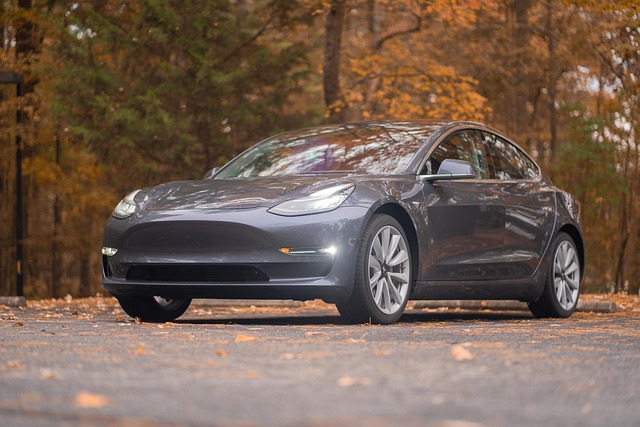
Market Pricing for Used Tesla Vehicles
Several factors shape resale value: mileage, battery health, model year, and software compatibility. A Model Y with over 300,000 miles typically experiences significant depreciation due to expected battery capacity loss and drivetrain wear. In Wisconsin’s colder climate, range degradation can accelerate because of thermal cycling stress on lithium-ion packs. Regional price data show that used Teslas in Milwaukee and Madison often trade 8–12% below national averages due to limited charging infrastructure outside major corridors. Local incentives—such as energy provider rebates or reduced registration fees—also nudge prices downward by offsetting ownership costs.
Why Some Listings Appear Significantly Underpriced
When a Tesla Model Y for sale appears thousands below book value, it often signals one of three things: private liquidation without warranty transfer, fleet offloading after high-mileage service use, or incomplete disclosure of damage history. Vehicles exceeding 300,000 miles may have odometer readings that deter traditional financing, forcing sellers to discount heavily. Online auction platforms amplify this transparency gap; while they display vehicle photos and VINs, they rarely verify maintenance records or real-time battery diagnostics.
Examining the 367,000-Mile Tesla Model Y Case
The case of a high-mileage Model Y still performing daily towing duties challenges perceptions about long-term EV durability but also highlights risks hidden behind low prices.
Assessing Long-Term Durability and Performance Metrics
Available field data indicate that most Tesla batteries retain around 80% capacity after 300,000 miles under moderate driving conditions. However, continuous towing introduces thermal stress that can accelerate cell imbalance and inverter strain. Suspension bushings and wheel bearings also degrade faster under load cycles typical of trailer use. Maintenance logs showing consistent coolant flushes and drive unit inspections become critical indicators of reliability at this stage.
Technical Insights into High-Mileage EV Operation
Energy efficiency retention depends not only on the battery but also on software calibration over time. High-mileage Teslas often show increased consumption rates—up to 15% higher than new—due to drivetrain friction losses and regenerative braking inefficiency. Components like motor bearings and brake calipers exhibit wear patterns consistent with heavy-duty operation. Frequent over-the-air updates help sustain performance by refining torque distribution algorithms and thermal management routines even after hundreds of thousands of miles.
Towing Capacity and Real-World Usage Patterns
Beyond battery endurance lies another question: how does a Model Y perform when asked to tow regularly at such high mileage?
Evaluating Tesla Model Y’s Towing Capabilities Under Stress
Manufacturer specifications list a maximum towing capacity of roughly 3,500 pounds for the dual-motor variant. In real-world tests at high mileage, range reduction during towing can exceed 40%, largely because aerodynamic drag compounds energy draw. Repeated towing cycles also test the integrity of rear subframes and cooling loops responsible for maintaining inverter temperature stability.
Implications for Secondary Market Buyers
For buyers exploring a used Tesla Model Y for sale with known towing history, consistent heavy use should trigger additional inspection steps: infrared scans for battery hot spots, suspension alignment checks, and verification that firmware versions match official release notes. Service documentation remains essential; missing entries could mask prior drivetrain replacements or DC fast-charging degradation events.
Investigating Legitimacy of “Too Cheap” Offers in Wisconsin’s EV Market
Wisconsin’s online marketplaces have seen spikes in listings priced far below Kelley Blue Book estimates—a pattern warranting regulatory attention.
Common Red Flags in Online Vehicle Listings
Unrealistic pricing paired with vague condition descriptions often hints at salvage titles or non-transferable warranties from corporate fleets. Gaps in service history or mismatched VIN details should prompt immediate verification through certified dealer databases or state DMV portals. Buyers should also be cautious with listings requiring wire transfers before inspection; scams frequently exploit urgency language like “first come basis.”
Regulatory Oversight and Consumer Protection Measures
State law mandates full disclosure of title status and odometer accuracy under Wisconsin Administrative Code Trans 139. Federal statutes such as the Truth in Mileage Act further require sellers to certify true mileage readings on transfer documents. For electric vehicles specifically, transparency around battery replacement or warranty coverage falls under Federal Trade Commission guidelines addressing misrepresentation in digital marketplaces.
Economic and Technological Context Behind Price Fluctuations
The broader economic backdrop explains why certain high-mileage Teslas appear undervalued yet attract niche interest from fleet operators or DIY enthusiasts seeking cheap entry into EV ownership.
The Role of Depreciation Curves in Electric Vehicle Markets
Compared to internal combustion vehicles, EVs follow sharper early depreciation curves but stabilize once major components prove durable past warranty thresholds. Software support lifespan plays an outsized role; once updates cease for older hardware generations, resale values drop abruptly regardless of mechanical condition. New model introductions—like refreshed powertrains or extended-range variants—further pressure older inventory pricing within months.
Broader Implications for the EV Industry in Wisconsin
Wisconsin’s growing network of DC fast chargers along interstate routes has fueled renewed interest in secondhand EVs among rural commuters and delivery operators. Yet misinformation about “cheap Teslas” risks distorting consumer confidence if undervalued listings turn out fraudulent or unsafe. Certified pre-owned programs backed by manufacturers could restore transparency by publishing verified range tests and standardized battery health scores before resale.
FAQ
Q1: Why are some Tesla Model Ys priced so low in Wisconsin?
A: Many are high-mileage units from fleets or private owners liquidating quickly; others may hide costly repairs or incomplete service records that depress value.
Q2: Does a Tesla still perform well after 300,000 miles?
A: Generally yes if maintained properly; however, efficiency losses around 10–20% are common due to normal wear on motors and cooling systems.
Q3: How can buyers verify if a listing is legitimate?
A: Always cross-check VIN numbers through official databases and request full maintenance logs before sending payment or signing contracts.
Q4: What impact does frequent towing have on an electric SUV like the Model Y?
A: It increases thermal load on drivetrains and reduces range per charge significantly; long-term towing also accelerates suspension fatigue.
Q5: Are there legal protections for buyers who discover false mileage claims?
A: Yes; both federal odometer laws and Wisconsin state codes allow buyers to seek restitution if misrepresentation is proven through certified documentation.