



BMW Hits Two Million EV Production Milestone
BMW’s achievement of producing two million electric vehicles marks a pivotal step in the company’s transition toward full-scale electrification. This milestone places BMW among the few global automakers with significant EV manufacturing maturity, signaling both market readiness and technological depth. The figure also reflects how legacy manufacturers are closing the gap with early EV pioneers. Beyond volume, this benchmark underscores BMW’s commitment to sustainable mobility, cost efficiency, and long-term competitiveness in a rapidly evolving automotive landscape.
BMW’s Two Million EV Milestone and Its Industry Significance
BMW’s two millionth electric vehicle represents more than production success; it signals a shift in strategic momentum for the brand and the broader luxury EV market.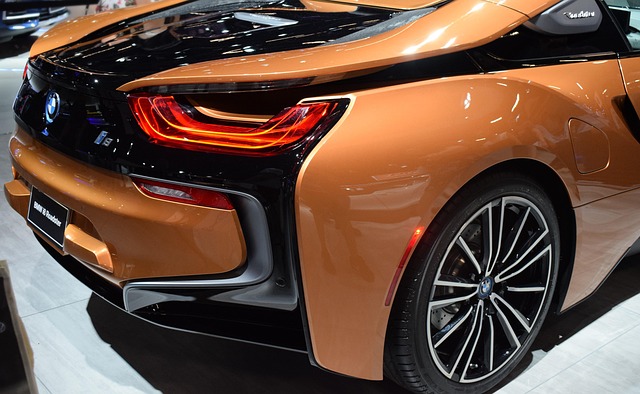
BMW’s Position in the Global EV Market
BMW began its electric journey with early hybrid models before launching fully electric vehicles such as the i3 and i8. Over time, its portfolio expanded to include models across multiple segments, from compact SUVs to high-performance sedans. This evolution reflects a deliberate strategy to balance innovation with scalability. Compared with peers like Tesla and Mercedes-Benz, BMW’s EV output remains smaller but is growing steadily due to strong European demand and expanding production capacity. The milestone aligns with BMW’s sustainability goals of achieving over 50% all-electric global sales by 2030, reinforcing its role as a key player in premium electrification.
Strategic Importance of Reaching Two Million Units
Reaching two million units provides economies of scale that directly influence profitability. As production volume rises, per-unit battery costs fall through improved utilization of shared platforms and standardized components. This scale also strengthens supplier relationships, helping stabilize raw material prices and reduce logistical bottlenecks. For investors, such milestones serve as confidence indicators that BMW can sustain growth while transitioning from internal combustion engines to electric drivetrains. The brand now positions itself not merely as a traditional manufacturer adapting to change but as an integrated technology company competing on innovation.
Technological Innovations Driving BMW’s EV Expansion
BMW’s progress in electrification rests on deep investments in battery research, platform engineering, and digital integration—areas critical for performance differentiation in the premium EV segment.
Battery Technology and Energy Efficiency Advancements
BMW currently employs lithium-ion chemistries optimized for higher energy density and improved thermal management. Continuous refinement has extended vehicle range while maintaining safety standards set by global regulators such as IEC and ISO. The company is also advancing charging speed through 800-volt architectures capable of replenishing most of the battery within minutes under ideal conditions. Research partnerships with leading institutions focus on solid-state batteries that promise greater storage capacity, lower weight, and longer lifespan—technologies expected to enter pilot production later this decade.
Platform Architecture and Modular Design Strategies
The shift from internal combustion engine (ICE) platforms to dedicated EV architectures marks one of BMW’s most significant engineering transitions. Its modular “Neue Klasse” platform allows multiple body styles to share core components like battery packs and drive units, reducing development time across model lines. This modularity supports flexible assembly at different plants without extensive retooling. Software-defined systems further enhance adaptability: over-the-air updates continuously refine vehicle performance, while digital diagnostics improve service efficiency—a clear sign that automotive design now merges hardware with software ecosystems.
The Role of Supply Chain Resilience in Scaling EV Production
Behind every milestone lies an intricate supply network that must evolve alongside manufacturing expansion. For BMW, supply chain resilience is both a strategic necessity and a sustainability imperative.
Securing Critical Raw Materials for Sustainable Growth
Lithium, nickel, cobalt, and rare earth elements remain essential for high-performance batteries. BMW has pursued direct sourcing agreements with mining partners committed to environmental stewardship under recognized ESG frameworks such as OECD guidelines. Recycling initiatives also play an increasing role; recovered materials from used batteries are being reintegrated into new cells to reduce dependency on virgin resources. These practices not only mitigate geopolitical risks but also align with consumer expectations for ethical production standards.
Manufacturing Network Optimization Across Global Facilities
BMW continues expanding its manufacturing footprint across Europe, North America, and Asia to meet regional demand efficiently. Facilities like Leipzig in Germany and Spartanburg in the United States integrate automation technologies including robotics-assisted assembly lines and AI-driven quality control systems. Data analytics optimize energy use across operations while predictive maintenance minimizes downtime. Balancing local production against global demand fluctuations allows BMW to maintain consistent delivery schedules despite supply disruptions—a capability many competitors still struggle to match.
Market Dynamics Influencing BMW’s Competitive Advantage
The pace of electrification depends heavily on consumer sentiment and regulatory direction—two forces shaping how brands like BMW position their EV portfolios worldwide.
Shifts in Consumer Demand Toward Electrification
Premium buyers increasingly favor electric models that combine performance with low emissions. In Europe and China especially, luxury customers view EVs not just as eco-friendly choices but as status symbols reflecting technological sophistication. BMW capitalizes on this perception by emphasizing driving dynamics familiar from its combustion heritage while integrating quiet powertrains and advanced interfaces. Pricing remains competitive relative to Tesla Model Y or Mercedes EQ series through targeted incentives and flexible financing programs designed for high-income segments seeking both sustainability and prestige.
Policy Frameworks and Regulatory Drivers Supporting Growth
Government mandates on carbon reduction continue accelerating adoption across major markets. Regions following EU emission standards require automakers to cut fleet-average CO₂ output significantly by 2035, effectively phasing out new ICE sales. Subsidies for charging infrastructure further support urban electrification ecosystems where many premium customers reside. For BMW, policy alignment ensures compliance while enabling long-term planning certainty—vital when investing billions into next-generation factories or battery supply chains expected to operate over decades.
The Broader Industry Implications of BMW’s Achievement
BMW’s milestone doesn’t exist in isolation; it mirrors broader industry momentum toward electrification thresholds that could reshape competitive hierarchies globally.
Benchmarking Against Competitors’ Production Milestones
Tesla surpassed four million cumulative deliveries earlier this year, maintaining its lead through vertically integrated manufacturing efficiency. Volkswagen Group follows closely behind with aggressive rollout targets under its ID sub-brand lineup across Europe and China markets. By reaching two million units, BMW joins this upper tier of volume producers demonstrating operational scalability beyond pilot phases—a crucial signal for investors monitoring which legacy brands can truly transition at speed without eroding profitability or quality reputation.
Potential Acceleration Toward Industry-Wide Electrification Thresholds
Such milestones collectively push suppliers toward standardizing components like battery cells or power electronics across multiple OEMs, improving cost parity between EVs and conventional cars sooner than projected by IEA forecasts earlier this decade. Infrastructure providers—from fast-charging networks to renewable grid operators—also gain confidence from sustained demand visibility driven by automakers’ commitments like BMW’s two-million mark. As consumer trust strengthens through proven reliability records, mainstream adoption accelerates further; yet balancing innovation pace against affordability remains the sector’s toughest equation moving forward.
FAQ
Q1: Why is BMW’s two million EV milestone considered significant?
A: It demonstrates industrial maturity comparable with leading manufacturers while reinforcing investor confidence in BMW’s transition strategy toward full electrification.
Q2: How does BMW plan to advance battery technology?
A: Through continuous improvement of lithium-ion systems and active research into solid-state batteries offering higher energy density and longer lifespan.
Q3: What measures support ethical raw material sourcing?
A: Direct supplier partnerships under ESG-compliant frameworks ensure responsible mining practices complemented by closed-loop recycling initiatives.
Q4: How do government policies influence BMW’s EV expansion?
A: Emission regulations and purchase incentives create predictable conditions encouraging large-scale investment in new electric platforms.
Q5: How does this milestone affect competition within the luxury segment?
A: It narrows the gap between legacy automakers like BMW and early entrants such as Tesla by proving scalability without compromising brand identity or profitability.