



The Hybrid Car With The Best Fuel Economy In 2026
By 2026, the title of the hybrid car with the best fuel economy is likely to belong to Toyota’s next-generation Prius Prime. Combining a refined hybrid synergy drive, advanced solid-state battery technology, and predictive energy management, it achieves an estimated equivalent of over 70 miles per gallon in real-world mixed driving. This figure places it ahead of competitors like Honda’s Insight successor and BMW’s plug-in 3 Series hybrid. The shift toward higher efficiency isn’t just about better mileage—it reflects a broader transformation in materials science, powertrain design, and AI-driven optimization that defines the future of sustainable mobility.
Shifting Paradigms in Automotive Efficiency
The automotive industry is undergoing a structural transformation as hybrid systems evolve from transitional technologies into core components of long-term decarbonization strategies. Automakers are rethinking every element—from energy storage chemistry to aerodynamic profiles—to meet both consumer demand and regulatory expectations.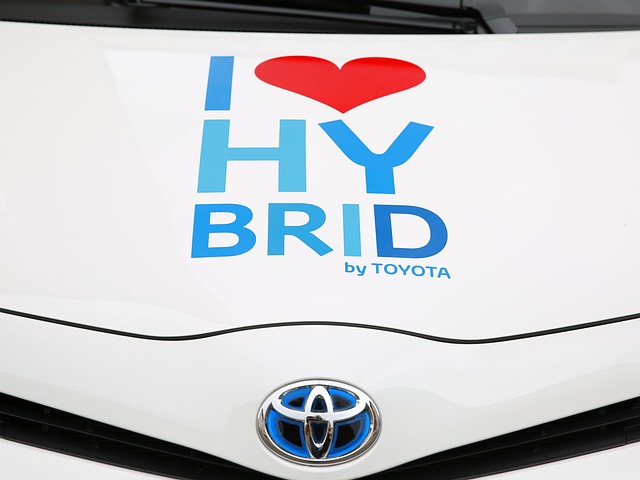
The Evolution of Hybrid Technology Toward 2026
Hybrid technology has matured from simple parallel systems into complex architectures that balance electric propulsion with high-efficiency combustion engines. Advancements in battery chemistry, particularly lithium-silicon and solid-state cells, have increased energy density while reducing weight. Energy recovery systems now capture up to 80% more kinetic energy than those used in early hybrids. Lightweight materials such as carbon fiber-reinforced polymers are increasingly used in chassis design, cutting vehicle mass by 10–15%, which directly improves fuel economy. Regulatory frameworks in Europe and Asia continue to push automakers beyond traditional combustion optimization, forcing innovation across entire vehicle platforms.
Redefining the Metrics of Fuel Efficiency
Fuel efficiency is no longer measured solely by miles per gallon (MPG). The industry is moving toward energy-equivalent standards that consider electricity consumption and lifecycle emissions. Analysts now evaluate vehicles based on real-world driving data rather than controlled laboratory tests. Global sustainability frameworks, including those aligned with IEA and ISO environmental performance standards, emphasize total carbon output per kilometer rather than simple fuel burn rates. This shift encourages manufacturers to integrate renewable energy sourcing into their production cycles as part of overall efficiency scoring.
Engineering Innovations Driving Hybrid Efficiency Gains
Engineering innovation has become the main driver behind modern hybrid performance improvements. Powertrain integration, intelligent control systems, and enhanced thermal management all contribute to achieving benchmark efficiency levels across multiple vehicle categories.
The Role of Powertrain Optimization
Next-generation hybrids pair electric motors with ultra-efficient Atkinson-cycle or Miller-cycle combustion engines. These engines operate at thermal efficiencies exceeding 45%, a figure once considered unattainable for gasoline systems. Advanced transmissions such as e-CVTs distribute torque seamlessly between power sources, minimizing losses during acceleration and cruising. Predictive algorithms embedded within vehicle control units analyze driving conditions—traffic flow, gradient changes, even weather—to adjust power delivery dynamically for maximum efficiency.
Battery Technology and Energy Management Systems
Solid-state batteries represent a major leap forward in energy storage for hybrids. They deliver higher voltage stability and faster charging while maintaining safety under high thermal loads. Smart energy management systems continuously balance power between electric and combustion modes based on load demand and route prediction data. Regenerative braking has also evolved: newer systems recover up to 90% of deceleration energy compared with about 60% a decade ago. Together these innovations allow hybrids like the Toyota Prius Prime or Hyundai Ioniq series to achieve exceptional real-world economy without sacrificing performance.
Comparative Analysis of Leading 2026 Hybrid Models
The competitive landscape for best hybrid cars in 2026 reveals how manufacturers differentiate through technology integration rather than simple engine downsizing or aerodynamic tweaks.
Evaluating Fuel Economy Across Market Segments
Compact hybrids dominate urban environments where frequent stop-and-go traffic favors electric operation. Vehicles such as Toyota’s Yaris Hybrid achieve outstanding city mileage due to optimized low-speed electric drive cycles. Mid-size sedans and SUVs incorporate larger battery packs—typically between 1.5 kWh and 3 kWh—allowing extended EV-only range without compromising highway performance. Plug-in hybrids (PHEVs) bridge pure electrics and conventional hybrids; models like Kia’s Niro PHEV offer up to 40 miles of electric range before switching seamlessly to gasoline operation.
Key Manufacturers Setting New Standards
Toyota’s Continued Leadership in Hybrid Innovation
Toyota remains the benchmark for efficiency leadership through its refined hybrid synergy drive system introduced more than two decades ago. Continuous improvements in motor control software and inverter design have reduced fuel consumption while maintaining reliability across millions of vehicles worldwide.
Honda’s Adaptive Hybrid Architecture
Honda’s dual-motor system allows near-instant transitions between EV mode, hybrid drive, and engine-only operation. This adaptive configuration ensures optimal fuel usage regardless of terrain or speed profile—a key reason why Honda consistently ranks among top performers in independent fuel economy assessments.
European Automakers’ Strategic Focus on Efficiency Integration
European brands such as BMW and Mercedes-Benz are adopting modular hybrid platforms that can scale across multiple models—from compact coupes to luxury SUVs—without redesigning entire drivetrains. This modularity supports cost-effective deployment while maintaining stringent CO₂ compliance under EU fleet targets.
The Role of Artificial Intelligence in Fuel Optimization
Artificial intelligence now plays an essential role in bridging mechanical engineering with digital analytics within hybrid vehicles.
Predictive Analytics for Real-Time Efficiency Adjustments
AI-driven control units process sensor data from navigation systems, cameras, and radar inputs to anticipate road conditions ahead. By predicting acceleration patterns or traffic slowdowns, these systems fine-tune throttle response and regenerative braking intensity on the fly. Machine learning algorithms refine parameters over time based on individual driver behavior patterns—making each trip slightly more efficient than the last.
Integration with Connected Vehicle Ecosystems
Connected ecosystems enable hybrids to communicate continuously with cloud-based servers for performance updates or route optimization guidance. Over-the-air updates deliver calibration refinements without requiring service visits. Vehicle-to-infrastructure communication further enhances efficiency by coordinating signal timing at intersections or suggesting alternate routes that minimize idling time during congestion periods.
Environmental and Economic Implications of Advanced Hybrids
As hybrids evolve technologically, their impact extends beyond engineering metrics into environmental policy compliance and market adoption dynamics.
Reducing Carbon Footprints Through Technological Convergence
Advanced hybrid systems significantly reduce tailpipe emissions compared with conventional vehicles by maximizing electric operation during low-load conditions. Under international agreements aligned with IEA projections for transport decarbonization by 2030, these reductions contribute meaningfully toward national carbon neutrality goals. Improved efficiency also reduces reliance on imported fossil fuels while sustaining mobility standards expected by consumers globally.
Market Impact and Consumer Adoption Trends Among Experts and Enthusiasts
Consumer perception has shifted notably: hybrids are no longer viewed as compromises but as high-performance sustainable options suitable for both private buyers and corporate fleets. Economic incentives such as tax credits or reduced registration fees accelerate adoption rates across major markets including North America, Japan, and Western Europe.
Future Outlook: Beyond 2026 Efficiency Benchmarks
The next phase of hybrid evolution will likely merge current electrical architectures with emerging alternative fuels while tightening integration between hardware design and digital intelligence frameworks.
Anticipated Technological Trajectories in Hybrid Systems
Hydrogen-assisted hybrids may enter mainstream production post-2026 as fuel cell stacks become smaller and cheaper to manufacture. Meanwhile micro-hybrid configurations—systems using compact starter-generators instead of full electric motors—are expected to expand rapidly within urban commuter segments seeking affordable yet efficient solutions.
Policy Influence on the Next Generation of Efficiency Standards
Governmental emission regulations will remain decisive forces shaping innovation trajectories through mandates on fleet-average CO₂ levels and lifecycle sustainability reporting requirements under ISO environmental management standards (ISO 14001). Collaborative initiatives among automakers aim to harmonize global testing protocols so that future comparisons reflect realistic driving conditions rather than laboratory simulations.
FAQ
Q1: Which car will have the best fuel economy among hybrids in 2026?
A: Based on current projections, Toyota’s Prius Prime is expected to lead with over 70 MPGe combined efficiency due to its solid-state battery system and refined powertrain control algorithms.
Q2: How do plug-in hybrids differ from standard hybrids?
A: Plug-in hybrids feature larger batteries that can be charged externally, allowing them to operate purely on electricity for short distances before engaging the gasoline engine when needed.
Q3: What role does AI play in improving hybrid performance?
A: AI analyzes driving patterns, terrain data, and traffic conditions in real time to adjust power distribution between engine and motor for optimal fuel savings.
Q4: Are European automakers catching up with Japanese brands in hybrid efficiency?
A: Yes, European firms like BMW are integrating scalable modular hybrid platforms that match Japanese benchmarks while offering broader model diversity across segments.
Q5: Will hydrogen-powered hybrids replace conventional ones after 2026?
A: Hydrogen-assisted systems are likely to complement rather than replace traditional hybrids initially, serving niche applications until infrastructure becomes more widespread globally.