



AMG’s Electric Revolution: A Shocking Betrayal Or Redemption?
The shift from handcrafted combustion to electric propulsion has divided AMG loyalists. Yet, when viewed through the lens of engineering evolution, it appears less a betrayal and more a recalibration of performance philosophy. The mercedes electric car program is not erasing AMG’s DNA; it is rewriting it in code, torque maps, and battery chemistry. What once was expressed through mechanical artistry now finds form in digital precision. AMG’s electric revolution signals redemption—an affirmation that emotion in driving can survive even when silence replaces roar.
The Evolution of AMG’s Performance Philosophy
AMG’s transformation reflects the broader automotive shift toward sustainable propulsion. However, for a brand built on visceral energy and mechanical purity, electrification demands redefinition rather than replacement.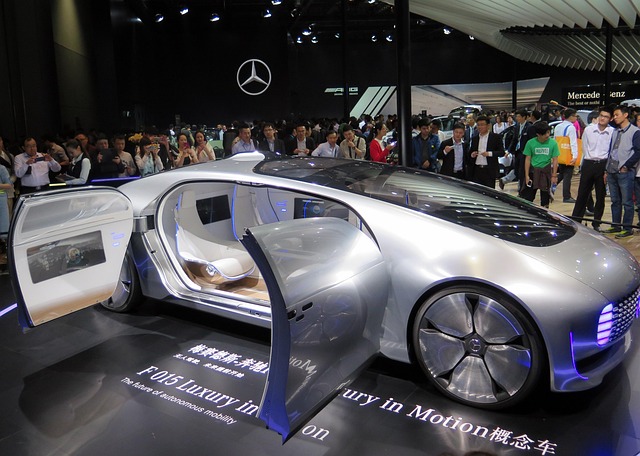
From Handcrafted Engines to Electrified Powertrains
For decades, AMG’s identity rested on its “One Man, One Engine” philosophy—each V8 or V12 meticulously assembled by a single craftsman. That tradition embodied precision and pride. Electrification challenges this ethos by replacing pistons with power electronics and combustion chambers with lithium-ion cells. Yet performance remains central; horsepower now coexists with kilowatts and efficiency ratings. Engineers must translate mechanical soul into electrical harmony without dulling the thrill that defines an AMG.
How Electrification Redefines the AMG Identity
Electric propulsion changes sensory expectations. The deep rumble of an internal combustion engine gives way to instant torque and seamless acceleration. Instead of tuning exhaust notes, engineers now sculpt throttle response curves and regenerative braking feel. Driving emotion becomes software-driven—achieved through chassis calibration, torque vectoring, and dynamic control systems. The silent drivetrain forces AMG to find new ways to connect emotionally with drivers while preserving exclusivity.
The Mercedes Electric Car as a Catalyst for Change
Electrification at Mercedes-Benz is not just compliance with regulation; it is strategic reinvention. Within this framework, AMG operates as both testbed and torchbearer for high-performance EV technology.
Technological Innovations Driving the Electric Transition
The modern mercedes electric car employs advanced 800-volt architectures enabling faster charging and higher sustained output. Battery modules use optimized cooling channels to maintain consistent performance during track sessions. AMG-specific motors differ from standard Mercedes units by using unique windings and inverter logic for sharper response. Intelligent energy management coordinates front and rear motor output, balancing efficiency with driver engagement—a fusion of physics and personality.
Design Language and Aerodynamics in the Electric Era
Electric AMGs must reconcile added battery mass with aerodynamic efficiency. Designers sculpt smoother bodywork to reduce drag while retaining muscular proportions that signal power. Traditional cues like Panamericana grilles evolve into illuminated panels hinting at heritage without imitation. Active aerodynamic components—adjustable spoilers, shutters, and diffusers—manage airflow dynamically to improve stability at high speeds while extending range.
Performance Metrics: Comparing Electric and Combustion AMGs
The metrics defining performance are shifting from raw displacement to data-driven dynamics. Acceleration remains critical but now depends on how effectively electrons move rather than fuel burns.
Evaluating Power Delivery and Driving Dynamics
Instant torque defines electric AMGs’ character; there is no turbo lag or gearshift interruption, just continuous thrust. Battery placement lowers the center of gravity but adds mass that influences agility differently than lightweight combustion models. Engineers counterbalance this through adaptive suspension systems that adjust damping in milliseconds. Regenerative braking further reshapes driving style—it allows modulation through energy recovery rather than friction alone, adding complexity yet control.
Acoustic Engineering and Emotional Engagement
Silence poses an emotional challenge for enthusiasts accustomed to engine symphonies. To bridge that gap, AMG develops artificial soundscapes synchronized with throttle input and motor load. These are not random noises but psychoacoustically tuned frequencies meant to evoke tension and release similar to combustion tones. Whether synthetic sound enhances authenticity remains debated among purists; some find it immersive, others contrived.
Market Perception and Brand Positioning in the Electric Age
AMG must navigate between heritage preservation and future relevance—a delicate balance when customer expectations diverge between nostalgia and innovation.
Balancing Heritage with Innovation in Consumer Mindset
Traditional buyers often perceive electrification as dilution of brand purity rooted in mechanical craftsmanship. Conversely, younger consumers value sustainability integrated with luxury performance—a demographic aligned with Mercedes’ long-term strategy toward carbon neutrality by 2039 (as outlined by IEA standards). Effective communication must frame electrification not as compromise but as evolution maintaining core values: precision, exclusivity, emotion.
Competitive Landscape Among High-Performance EVs
In today’s market, rivals such as Porsche Taycan Turbo GT or Audi RS e-tron GT redefine what electric sedans can achieve on road or track. AMG’s counterstrategy lies in software sophistication—predictive control algorithms governing traction distribution across dual motors deliver distinctive handling feel unique to Affalterbach tuning philosophy. Collaboration within Mercedes-Benz Group accelerates shared platform development while preserving individuality through proprietary calibration layers.
Engineering Challenges Behind AMG Electrification
Transitioning from fuel to electrons introduces new engineering frontiers where thermal stability replaces exhaust tuning as the key challenge under sustained load conditions.
Thermal Management and Battery Efficiency Under High Load
High-performance EVs generate immense heat during prolonged acceleration or circuit driving. Advanced liquid-cooling systems circulate through battery packs and stators to maintain safe operating temperatures around 45°C under full load per IEC testing protocols. Lightweight composite materials mitigate thermal expansion while reducing unsprung mass for better cornering behavior. Control software continuously monitors cell voltage differentials ensuring optimal longevity without sacrificing output consistency.
Integration of Hybrid Systems as Transitional Technology
Plug-in hybrid AMGs serve as stepping stones bridging combustion legacy with full electrification maturity. Dual propulsion setups allow both emotional resonance of engines and silent electric cruising flexibility demanded by urban regulations (referencing UNECE R101 standards). Data collected from hybrid operation cycles informs next-generation all-electric models regarding thermal patterns, torque blending strategies, and user interaction feedback loops essential for refinement.
The Future Vision: Preserving Legacy Through Innovation
AMG’s challenge lies not in replicating past glory but translating its essence into new technological language defined by electrons rather than explosions.
Defining “AMG Performance” in an All-Electric Context
Future AMGs will define performance through digital precision—software calibration shaping torque vectoring across wheels instantaneously based on grip prediction algorithms derived from real-time sensor fusion (IEEE Vehicle Dynamics standards). Adaptive chassis control replaces mechanical aggression with calculated finesse where emotion arises from responsiveness rather than noise intensity—a philosophy best described as “emotion through precision.”
Strategic Implications for Mercedes-AMG’s Brand Trajectory
Sustaining differentiation within Mercedes’ expanding EV portfolio demands relentless innovation across battery chemistry improvements (solid-state exploration), motor topology refinements (axial flux designs), and AI-driven predictive dynamics enhancing safety margins without dulling excitement per ISO 26262 functional safety benchmarks. Ultimately, electrification may redefine—not dilute—the essence of AMG excellence forged over decades of engineering obsession transformed into digital artistry.
FAQ
Q1: Is AMG completely abandoning combustion engines?
A: Not immediately; plug-in hybrids remain part of the lineup serving as transitional models before full electrification takes hold globally.
Q2: How does an electric AMG differ from a standard Mercedes EV?
A: It features bespoke motors, enhanced cooling systems, unique suspension tuning, and proprietary software mapping designed for sharper dynamic response.
Q3: Will future AMGs still produce sound?
A: Yes—but digitally generated tones crafted using psychoacoustic research intended to maintain emotional engagement without physical exhaust noise.
Q4: What role does software play in defining modern AMG performance?
A: Software governs everything from torque distribution to regenerative braking feel; it effectively becomes the new tuning art form replacing mechanical adjustment traditions.
Q5: Can electric AMGs truly match their combustion predecessors on track?
A: In acceleration they already surpass them; sustained track endurance depends on ongoing advances in thermal management and energy density improvements expected within this decade.