



California City Launches State’s First Fully Electric Trash and Recycling Fleet
California has taken a defining step in sustainable municipal operations by introducing the state’s first fully electric trash and recycling fleet. This transition demonstrates how electrification can reshape waste management, reduce emissions, and improve long-term efficiency. The deployment of electric trucks in waste collection is more than a technological milestone—it represents a shift toward cleaner, quieter, and smarter cities. As municipalities across the U.S. assess similar transitions, California’s leadership offers both a model and a challenge: sustainability can be operationally viable when supported by innovation, policy incentives, and strategic planning.
The Shift Toward Electrified Waste Management Fleets
The move toward electric fleets in waste management reflects an industry-wide response to environmental mandates and urban sustainability goals. Municipalities are now prioritizing clean energy vehicles as part of their broader decarbonization strategies.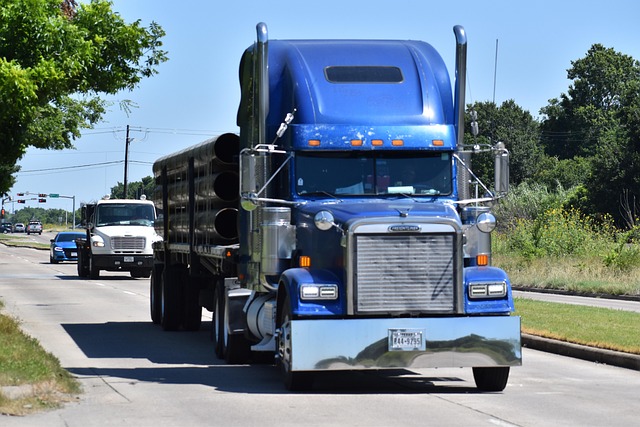
The Emergence of Electric Trucks in Urban Waste Operations
Cities are increasingly adopting electric trucks to replace diesel-powered waste collection vehicles. These new fleets reduce greenhouse gas emissions, cut noise pollution, and align with net-zero objectives set by urban governments. For many city planners, electrification is not simply about compliance but about modernizing infrastructure for efficiency and resilience. Electric trucks also deliver consistent torque performance suitable for heavy-duty stop-and-go routes typical of dense urban environments.
Transition Efforts Align With Broader Sustainability and Emissions Reduction Goals
Electrifying municipal fleets supports global climate commitments such as those outlined by the Paris Agreement. By cutting dependency on fossil fuels, cities contribute directly to emission reduction targets while improving local air quality. In practice, this means fewer particulate emissions from diesel combustion and measurable public health benefits for residents living near busy collection routes.
Electric Fleets Represent a Strategic Investment in Long-Term Operational Efficiency
While upfront costs remain higher than traditional vehicles, lifecycle economics favor electric fleets due to lower maintenance and energy expenses. Municipalities view these investments as long-term cost stabilizers that also hedge against volatile fuel prices. Moreover, integrating data-driven fleet management systems enhances route optimization and reduces idle times.
California’s Leadership in Electric Waste Fleet Deployment
California’s commitment to environmental leadership has positioned it at the forefront of electric waste fleet adoption. Its policies have created fertile ground for innovation in municipal services.
California municipalities are leveraging both state incentives and federal grants to accelerate electrification projects. These programs make it feasible for cities to transition entire fleets rather than pilot single units.
California Municipalities Are Pioneering Fully Electric Trash and Recycling Fleets
Several California cities have already launched 100% electric truck fleets dedicated to trash and recycling collection. These initiatives demonstrate operational feasibility at scale—covering large service zones while maintaining collection schedules comparable to diesel fleets.
State-Level Incentives and Environmental Policies Accelerate Fleet Electrification
The state’s Air Resources Board (CARB) has set ambitious zero-emission vehicle mandates that directly influence municipal procurement decisions. Financial mechanisms like the Hybrid and Zero-Emission Truck and Bus Voucher Incentive Project (HVIP) further reduce acquisition barriers for local governments.
Lessons From Early Adopters Inform Future Municipal Fleet Transitions Nationwide
Cities outside California are closely observing these early deployments to understand infrastructure requirements, battery performance under load conditions, and maintenance cycles. Lessons learned from California’s rollout will likely shape federal guidance on sustainable fleet transitions.
Technological Foundations of Electric Waste Collection Vehicles
The success of electric waste fleets depends heavily on technological maturity—particularly in powertrain design, energy storage capacity, and charging infrastructure integration.
Powertrain and Battery Innovations Enabling Heavy-Duty Performance
Recent improvements in lithium-ion battery chemistry have increased energy density, allowing longer routes between charges. Regenerative braking captures kinetic energy during frequent stops typical of waste collection routes, extending range efficiency. High-torque drivetrains provide immediate power delivery even on steep gradients or when hauling full loads—conditions that previously challenged early-generation electric trucks.
Charging Infrastructure and Energy Management Strategies
Fleet depots are evolving into high-capacity charging hubs equipped with smart load management systems that distribute power efficiently overnight. Integration with smart grids enables synchronization between charging cycles and renewable energy availability from solar or wind sources. Some municipalities are experimenting with on-site microgrids powered by solar arrays to further reduce lifecycle emissions.
Operational Efficiency Gains Through Electrification
Beyond environmental benefits, electrification delivers tangible operational gains that appeal to both public agencies and private contractors managing waste services.
Reducing Fuel Costs and Maintenance Requirements
Electric trucks eliminate diesel consumption entirely, lowering total cost of ownership over time. Their simplified mechanical architecture—with fewer moving parts—reduces wear-related downtime significantly compared to internal combustion engines. Predictive diagnostics embedded within onboard systems allow proactive maintenance scheduling before failures occur.
Enhancing Route Optimization and Data Integration
Modern electric fleets rely on telematics platforms that gather real-time performance data across all vehicles. This data supports dynamic route adjustments based on traffic patterns or bin fill levels detected through IoT sensors integrated into city bins. Such digital coordination minimizes redundant travel distances while maintaining service reliability.
Environmental and Public Health Implications
The environmental impact of electrified fleets extends far beyond carbon reduction; it reshapes the urban experience itself through cleaner air and quieter streets.
Lowering Urban Emissions and Noise Pollution Levels
Zero tailpipe emissions mean significant reductions in nitrogen oxides (NOx) and fine particulate matter (PM2.5), pollutants strongly linked to respiratory illness in dense neighborhoods. Noise reduction is equally important; electric trucks operate almost silently compared to diesel engines—a welcome change during early morning collections in residential areas.
Lifecycle Sustainability Considerations of Electric Fleets
Battery recycling programs are emerging as critical components of sustainable fleet strategies. Manufacturers now design battery packs with second-life applications such as stationary storage for renewable energy systems before final material recovery through specialized recycling facilities. This circular approach reduces raw material extraction pressures associated with cobalt or lithium sourcing.
Economic and Policy Dimensions of Fleet Electrification
Financial frameworks play a decisive role in making large-scale electrification feasible for municipalities operating within tight budgets.
Evaluating Financial Incentives and Regulatory Frameworks
Federal infrastructure funding packages include allocations for zero-emission vehicle purchases by local governments. Carbon credit trading mechanisms also reward emission reductions achieved through fleet conversions, improving project return profiles over time. Regulatory standards continue evolving toward stricter emission thresholds that effectively phase out older diesel models from public service use.
Long-Term Economic Benefits for Municipalities and Contractors
Although initial capital expenditures remain substantial, operating savings accumulate quickly through reduced fuel spending, lower maintenance costs, and extended asset life cycles. Public perception benefits further enhance community engagement around sustainability goals—an intangible yet powerful outcome supporting future funding approvals.
Future Outlook for Electric Truck Fleets in Urban Waste Management
As technology evolves, the next stage will integrate automation, AI analytics, and system-level coordination across city infrastructure networks.
Integrating Automation and AI for Next-Level Efficiency
Autonomous driving systems under development could further streamline collection logistics by enabling consistent route adherence without driver fatigue variables. AI-based predictive analytics will refine maintenance scheduling using pattern recognition from historical performance data sets collected via telematics platforms.
Expanding the Role of Electrified Fleets in Circular Urban Systems
Electric waste trucks may soon function as mobile nodes within broader smart city ecosystems—interacting dynamically with grid operators, recycling centers, and logistics hubs through shared digital platforms. Collaboration between utilities, recyclers, technology providers, and municipalities will define how efficiently resources circulate within urban economies driven by clean mobility principles.
FAQ
Q1: Why did California prioritize electric trucks for waste management?
A: The state’s strong environmental policies mandate reductions in greenhouse gas emissions from transportation sectors; municipal fleets represent a visible opportunity to meet those goals quickly while improving local air quality.
Q2: How do electric trucks handle steep terrain or heavy loads?
A: High-torque motors deliver instant power output suited for demanding conditions such as hills or full compaction loads without sacrificing performance consistency.
Q3: What challenges exist with charging infrastructure?
A: Key issues include grid capacity constraints during peak hours and the need for standardized connectors compatible across different vehicle brands used by municipalities.
Q4: Are there financial returns from switching to electric waste fleets?
A: Yes; although purchase prices are higher initially, savings on fuel, maintenance, and potential carbon credits often balance costs within several years of operation.
Q5: What role does battery recycling play in sustainability?
A: Recycling prevents resource depletion by recovering valuable metals like nickel or cobalt while reducing environmental impacts linked to mining new materials for future battery production.