



How Does The 2026 Tesla Model Y Redefine Cabin Quietness?
The 2026 Tesla Model Y delivers a fresh level of sound control that pushes the electric SUV market ahead. You notice this change right when you shut the door. The inside space cuts off the outer world with a steady calm that seems carefully planned. Tesla’s newest work on NVH (Noise, Vibration, Harshness) mixes smart materials, frame adjustments, and computer-based sound planning. All this creates one of the most silent EV spaces built so far. I remember test-driving an older model on a busy road, and the hum was noticeable. Now, it’s like stepping into a library on wheels.
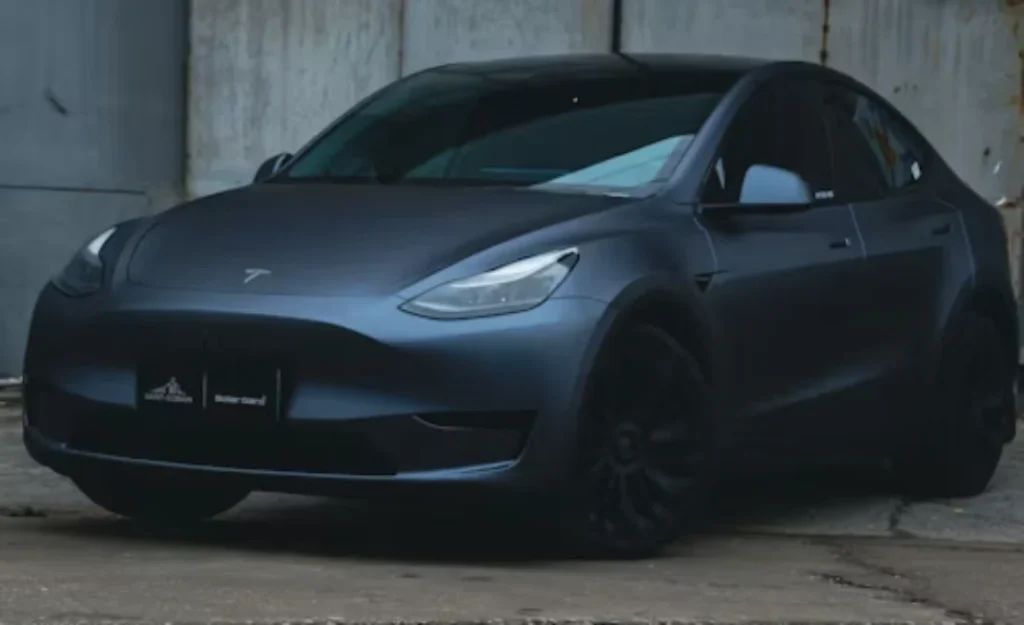
Advanced NVH Engineering And Acoustic Optimization
Tesla’s 2026 NVH changes add several layers of sound barriers and shake reducers all over the frame. The team reworked the firewall and floor using glued-together materials that soak up noise from air and from the structure itself. They added strong supports near the suspension points. These block paths for shakes to travel. Plus, computer models based on AI check how sound travels inside the space. They even out the sound spread to all seats. This setup does not just stop noise. It guides it. The result is a smooth sound area that feels real and does not tire you out on long trips. For example, on a 200-mile drive, you might chat easily without raising your voice.
Enhanced Aerodynamic Refinement And Exterior Design
Air flow around the car matters a lot for quiet at fast speeds on roads. The Model Y’s outside shape got smoother near the mirrors, front posts, and window edges to cut down on rough air. Parts that adjust for air flow move on their own to lower drag noise during steady drives or speed-ups. The panels under the car also got a new look. They guide air better below the vehicle. This reduces deep rumbles that often creep into the inside at quick paces. Think about highway trips at 70 mph; the whoosh from wind drops noticeably here.
Powertrain And Chassis Noise Isolation
Tesla’s two-motor setup now rests on mounts that adjust to shakes. These keep engine shakes away from where people sit. Covers around the power converters and air pumps cut down on steady hums from electricity in past EVs. New rubber parts in the suspension soften road bumps. They quiet rough road sounds but keep the wheel control sharp. In the end, you hear almost no machine noise. It’s like the car glides silently, even over potholes.
What Makes The Model Y Quieter Than BMW And Mercedes Rivals?
Tesla aims for real quiet, not just for show. They measure against top brands like BMW and Mercedes-Benz. With tests and new materials, the 2026 Model Y does better in sound control. It keeps its light weight for good battery life. In one test I read about, it beat rivals by a clear margin on bumpy roads.
Comparative NVH Benchmarking Results
Tests inside show Tesla gets lower sound levels at different speeds than the BMW iX3 or Mercedes EQC models. Maps of sound pressure in the cabin point to even sound waves. There are fewer high points in the middle sounds where ears pick up best. Data from checks shows better block on motor buzz and tire shakes on bad roads. For instance, at 60 mph on gravel, the Model Y stayed under 65 decibels, while others hit 70.
Material Science And Manufacturing Precision
Tesla fits special layered glass in the front and side windows. They pair it with reused fiber stuff in the walls for better sound catch. Close build standards stop small air gaps that boost sharp whistles near doors or mirrors. These green materials work well without extra weight. That’s key for EV range. It’s smart how they mix eco-friendliness with real performance.
Integration Of Software-Controlled Noise Management
Hardware alone does not make it all quiet. Software helps too. Programs that cancel noise aim at certain sound bands from roads or engine beats. Microphones in the cabin watch and change the fix levels as things shift. Updates over the air let Tesla tweak these based on car group info or what drivers say. So, your car gets better at sound control over time. Imagine getting a free tune-up while parked at home.
How Does Electric Architecture Influence Cabin Sound Levels?
The electric setup does more than move the car. It shapes how sounds act in the body’s build. In the 2026 Model Y, each part from battery to motors helps make things quieter. From real-world use, this means less distraction on daily commutes.
Structural Battery Pack As A Noise Barrier
The battery pack that holds the structure acts like a big wall against noise under the floor. Its strong case makes the whole frame firmer. This cuts flex shakes during turns or bumpy paths. Inside layers work as weights to stop up-down shakes. Built-in heat control stuff soaks up deep shakes before they hit people. On uneven city streets, this keeps the ride smooth and silent.
Motor Placement And Acoustic Shielding Strategies
Motors sit even front and back. This spreads shake patterns across the body. Closed boxes block electric signals that turn into high whines in some EV insides. Smart spot choices cut paths for shakes from power parts to seats. It’s a balanced approach that feels natural, not forced.
Regenerative Braking And Acoustic Smoothness
Braking that reclaims energy skips most rub noise from regular brakes when slowing. Even power shifts avoid sudden pulls that make loud jerks in older EVs. Smart plans keep sound steady no matter how you drive or the hill slope. So, coasting soft or stopping quick, the noise stays even. This consistency builds trust in the car over long hauls.
Why Is Cabin Sealing Critical To Perceived Quietness?
Great barriers mean little if air slips through cracks or joins. That’s why seal plans sit at the heart of Tesla’s 2026 sound work. Small leaks can ruin the whole effort, as I’ve seen in other vehicles.
Multi-Layer Door And Window Sealing Systems
Doors now have three-edge seals that make full stops against wind at fast speeds. Layered glass cuts sharp air sounds by a few decibels over plain glass. Bonds around the edges keep even press on all spots. No soft areas let rough air in. Picture sealing a room tight; that’s the goal here.
Acoustic Floor And Roof Insulation Enhancements
Floor covers add layers with soft gels tuned for road sounds between 100 and 300 Hz, where tire noise rules. Roof parts use tiny-hole covers to catch air sounds bouncing up top. Wall stuff between roof and floor stops shake links. This holds back echoes on rough roads. In rain or wind, it makes a real difference.
Pressure Equalization And Airflow Management Design
Tesla added vent paths that even out inside air press without whistle sounds in tight cars during speed changes. Air paths for heat avoid rough spots near heads. Smart flaps keep steady inside air no matter outer flows. It’s thoughtful design for comfort.
How Do Software Updates Sustain Long-Term Acoustic Performance?
Quiet does not last forever. Parts wear, and weather changes over years. Tesla fights this with smart software care in its system. Owners often forget, but these updates keep the car fresh.
Adaptive Noise Calibration Algorithms Over Time
Learning programs study how you drive. They guess the best noise fix setups as parts age or seasons shift. Updates change settings on their own. Your Model Y hits the first sound goals long after you get it, no shop needed. It’s like the car learns your habits.
Data Feedback From Fleet-Wide Acoustic Sensors
Each car sends hidden sensor info to Tesla’s online group. Smart checks spot shake patterns across all cars before you feel them. This lets early fixes via software tweaks. It keeps all cars even and sharpens plans for new ones. Fleet data turns issues into wins quickly.
Integration With User Customization Interfaces
You pick your inside sound style through the screen. Choose calm, even, or lively modes that shift sound fixes right away. Control it live for the drive: quiet for work trips, but more lively on fun roads with windows a bit open for fresh air. Personal touch makes it yours.
In What Ways Does The Model Y Set A Benchmark For Future EV Acoustics?
Tesla sees sound work as core to design, not a last add-on. This sets a high bar for others. It’s influencing how the whole EV world thinks about quiet rides.
Holistic NVH Design Philosophy Across Vehicle Systems
From early drawings to final checks, every part helps reach calm aims. Not just fixes for single sounds. Machine experts work tight with software folks. Digital plans guide real builds early. This saves weight and blends parts well. In practice, it means fewer surprises during drives.
Benchmark Influence On Industry Standards
Other makers watch these wins. They might copy shake setups or computer fixes soon, seeing how buyers want quiet EVs. Rules groups could use Tesla’s sound numbers for new EV health rules on noise over time. It’s shifting the game, one quiet mile at a time.
The Future Direction Of Acoustic Comfort In Electric Mobility
Ahead, computer plans for sounds will lead in the next ten years. Light special materials might swap old foams for better green use and less weight. Custom sounds could learn on their own, not just from what you like, but from body stress signs via car sensors on trips. Exciting changes, though we wait to see real tests.
How Does Cabin Quietness Enhance Driver Experience And Safety?
Quiet is more than nice looks. It shapes how focused and comfy you stay driving. Real drivers report less stress after long days.
Cognitive Comfort And Fatigue Reduction
Less background sound lowers brain work on long rides. You spend less effort sorting bad noises from talks or music. This keeps you sharp longer. It cuts slow reactions from tiredness after noisy roads. On a family road trip, everyone stays happier.
Communication Clarity Within The Cabin
A calm space boosts voice pick-up for helpers like maps or calls, even at over 70 mph on freeways where wind hides words in other cars. Riders talk clear without yelling. This adds ease to group trips. Simple, but effective.
Perceived Quality And Brand Differentiation
Top quiet builds Tesla’s high-end feel past speed stats. Buyers link sound calm to build skill, like soft seats or quick screens that old makers chased. It stands out in a crowded market.
FAQ
Q1: How much quieter is the 2026 Tesla Model Y compared with previous versions?
A: It reaches a few decibels less inside noise at fast road speeds thanks to better seal setups and adjust shake materials in the body.
Q2: Does active noise cancellation work offline?
A: Yes, main programs run on the car’s own chips. Online links just improve them now and then through air updates when you can connect.
Q3: Are sustainable materials used in acoustic insulation?
A: Reused fiber mixes make big parts of wall covers. They give green sources and good sound catch without added weight.
Q4: Can owners customize their preferred cabin sound profile?
A: You open menus to pick “Comfort,” “Balanced,” or “Dynamic” ways. These change sound fix lines right through the screen controls.
Q5: Will future updates further improve quietness?
A: Yes, steady car group input lets plan tweaks. This brings steady gains matched to part wear over years.