



The short answer for Audi EV shoppers
If you are comparing Audi EV cars in the United States, the lineup now falls into four main groups: the Q4 e-tron compact SUV family, the Q6 e-tron midsize SUV family, the A6 Sportback e-tron electric car family and the e-tron GT performance family. As of Oct. 28, 2026, Audi USA’s public EV materials put the emphasis on range, fast charging and body-style choice rather than on one single “best” model. The major portfolio change is that the Q8 e-tron is no longer the center of the U.S. EV story; Audi’s own quarterly update said production of the Q8 e-tron at Brussels ended in late February 2025. For more electric-vehicle coverage, visit the RoadsNews EVs section.
For most shoppers, the decision is practical. Choose the Q4 e-tron if you want a smaller electric SUV, the Q6 e-tron if you want Audi’s new mainstream luxury EV SUV, the A6 Sportback e-tron if range and a lower road-car feel matter most, or the e-tron GT if performance and design are the priority.
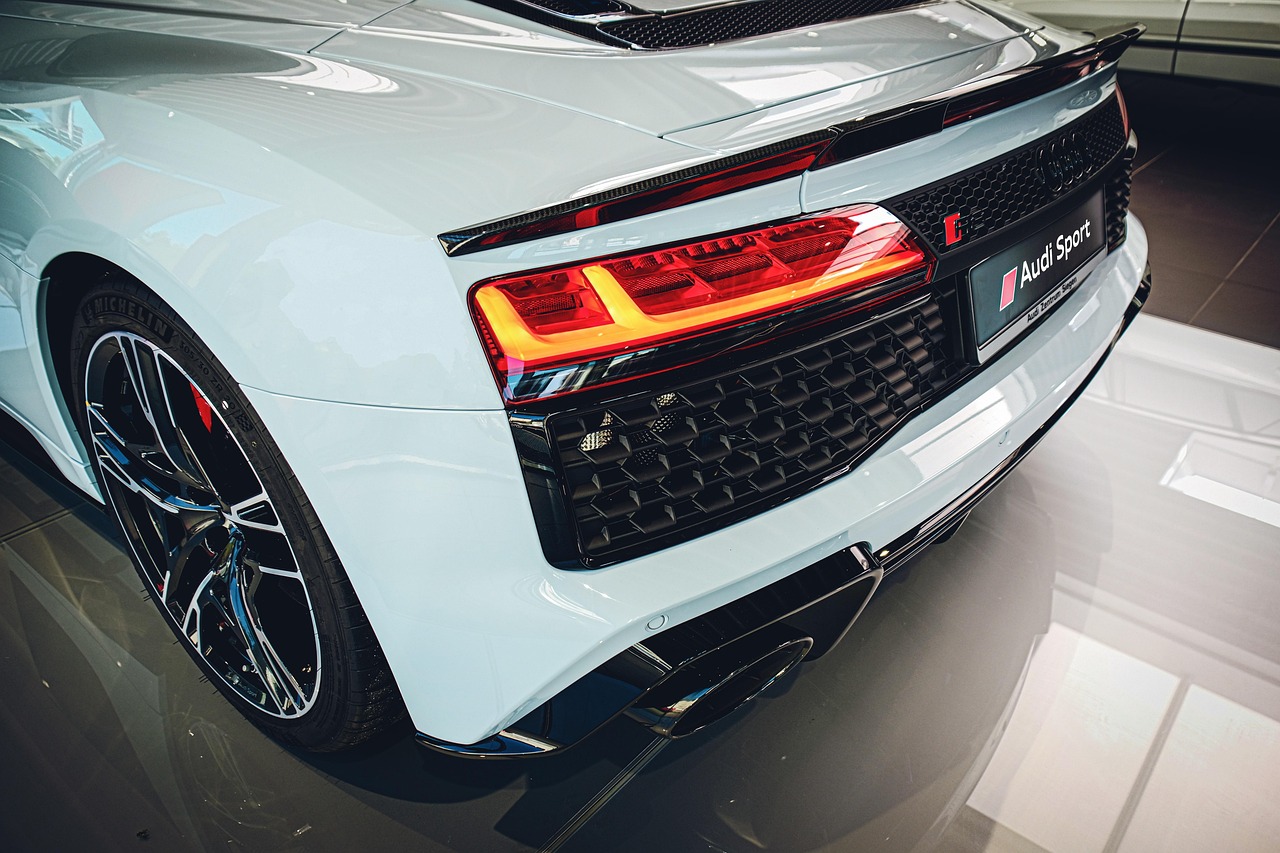
How Audi’s EV lineup changed
Audi’s electric strategy has shifted from one prominent e-tron SUV nameplate to a more segmented EV range. The original e-tron SUV later became the Q8 e-tron, but Audi Group materials reported that production at the Brussels site was discontinued at the end of February 2025. Dealer inventory can remain after production ends, so shoppers should separate a model still being built from a vehicle still available on a retail lot.
The current structure is easier to read by mission. Q models are SUVs. A models are lower, car-like body styles. S and RS versions identify performance variants. “Sportback” generally means a sloped-roof hatchback or coupe-like profile, depending on the model. Audi still uses e-tron branding for battery-electric vehicles, but the name now functions as a technology and model-family label rather than as one standalone model.
Audi Group’s Q1 2026 investor material gives more context. It said Audi brand BEV deliveries were 42,000 units in the first three months of 2026, equal to 11.7% of Audi brand deliveries, versus 46,000 units and 12.1% in the first three months of 2025. Audi attributed the softer BEV result partly to timing ahead of a Q4 e-tron upgrade, while plug-in hybrids gained momentum. The takeaway is not that Audi is leaving EVs. It is managing a transition in which product timing, charging access and market demand matter as much as the number of nameplates.
Audi EV cars at a glance
The table below compares the main U.S.-relevant Audi EV families using Audi USA model information, EPA-related public data and Audi communications available by late October 2026. Range and charging time can change with wheel size, trim, temperature, driving speed, vehicle load, battery age and charger capability.
| Model family | Body style and role | Range and charging notes | Best fit |
|---|---|---|---|
| Q4 e-tron and Q4 Sportback e-tron | Compact electric SUV and sleeker Sportback alternative | Audi USA highlights 258 miles for the 335-hp version and a 10% to 80% DC fast-charge time of about 28 minutes. EPA guide data also lists a 2026 Q4 45 e-tron at 288 miles, showing why trim selection matters. | Urban and suburban drivers who want an Audi EV SUV in the smaller, more accessible part of the range. |
| Q6 e-tron, SQ6 e-tron and Sportback versions | Midsize electric SUV family | Audi USA lists the Q6 e-tron at up to 325 miles with 19-inch wheels and the SQ6 e-tron at 285 miles with 20-inch wheels. Both are listed with about 21 minutes for 10% to 80% DC fast charging under suitable conditions. | Drivers who want the most balanced Audi EV SUV for family use, commuting and road trips. |
| A6 Sportback e-tron and S6 Sportback e-tron | Low-slung electric Sportback with luxury-car positioning | Audi USA’s current electric-model page lists the A6 Sportback e-tron quattro at 360 miles and the S6 Sportback e-tron at 326 miles. Earlier Audi of America launch material also cited up to 392 miles for an A6 Sportback e-tron with the Ultra package. | Buyers who want electric range and highway comfort without moving into an SUV. |
| e-tron GT and RS e-tron GT performance | Electric grand tourer and performance flagship | Audi USA highlights the RS e-tron GT performance at 912 hp with launch control, 278 miles of EPA-estimated range with 20-inch wheels and a 10% to 80% DC fast-charge time of about 18 minutes. | Drivers who prioritize acceleration, design and grand-touring character over maximum cargo space. |
Which Audi EV makes the most sense by use case?
Q4 e-tron for compact luxury EV use
The Q4 e-tron is the most straightforward entry point for many first-time electric luxury shoppers. It is smaller than the Q6, easier to place in city traffic and still provides the elevated seating position many U.S. buyers want from an SUV. The trade-off is range and charging headroom. A Q4 e-tron can suit daily commuting and regional trips, but buyers who often cover long highway distances may want to compare it closely with the Q6 e-tron or A6 Sportback e-tron, both of which have stronger long-distance positioning in Audi’s published materials.
Q6 e-tron as the mainstream Audi electric SUV
The Q6 e-tron is now the key electric SUV in Audi’s U.S. range because it sits where many premium buyers shop: above compact crossovers but below oversized luxury SUVs. Audi’s published figures place the regular Q6 e-tron at up to 325 miles and the SQ6 e-tron at 285 miles, with listed DC fast-charging times that are significantly quicker than the Q4 e-tron’s. The SQ6 adds performance, while the standard Q6 is likely to be the more rational choice for shoppers focused on range and everyday use.
A6 Sportback e-tron for range and a lower driving position
The A6 Sportback e-tron is the alternative for buyers who want an EV that feels more like a luxury car than an SUV. Its Sportback layout provides a hatchback opening, while its lower stance supports efficiency. The important step is to compare exact trims. Audi USA’s current page highlights 360 miles for the quattro version, while Audi of America launch materials cited up to 392 miles for an Ultra-package version. That difference is not necessarily a contradiction. It is a reminder that wheels, drivetrain and packages can materially change the range figure a buyer sees on the window sticker.
e-tron GT for performance rather than practicality
The e-tron GT family is the emotional end of Audi’s EV catalog. It is not the most practical choice for cargo space, rear-seat flexibility or price-sensitive range-per-dollar comparisons. Its purpose is different: high power, fast charging, dramatic design and the character of a grand tourer. The RS e-tron GT performance’s 912-hp launch-control figure is the headline number, but shoppers should treat it as a performance car that happens to be electric, not as a direct substitute for a family SUV.
Charging is now a bigger part of the buying decision
Audi’s newer EVs are increasingly competitive on charging time, but published 10% to 80% numbers depend on suitable conditions: a capable DC fast charger, a battery in the right temperature window and a vehicle configuration that supports the stated peak rate. For home charging, the more important question is whether the owner has dependable Level 2 charging. A 240-volt home setup often has more effect on daily satisfaction than access to the fastest possible public charger.
The North American charging transition also affects the shopping process. Audi’s NACS FAQ says Audi BEVs on the road use CCS1 ports, while an Audi NACS DC adapter is needed for compatible NACS partner DC fast-charging stations. Audi says new buyers of Q6 e-tron, A6 Sportback e-tron and e-tron GT model families receive the Audi NACS DC charging adapter as a port-installed accessory beginning in September. Audi also states that the Q4 e-tron is subject to a future announcement and is not currently able to use the Audi NACS DC adapter or any other NACS adapter.
That distinction matters. A Q6 e-tron, A6 Sportback e-tron or e-tron GT buyer may have a clearer path to compatible NACS partner fast-charging access. A Q4 e-tron buyer should verify the latest charging compatibility with the dealer before assuming Tesla Supercharger access. Audi also says the NACS DC adapter is not for home chargers, mobile connectors, Tesla Destination Chargers or other AC chargers.
Costs, incentives and ownership realities
For 2026 shoppers, the federal incentive picture is different from the one many EV buyers remember. The IRS states that the New Clean Vehicle Credit, Previously-Owned Clean Vehicle Credit and Qualified Commercial Clean Vehicle Credit are not available for vehicles acquired after Sept. 30, 2025. State, local and utility incentives can still vary, but buyers should not assume a federal clean-vehicle credit applies to a new Audi EV purchase in 2026. See also: AI.
Ownership costs also depend heavily on charging behavior. Home charging can make routine energy costs more predictable. Heavy reliance on public DC fast charging can raise trip costs and may increase battery wear if used frequently and consecutively. Audi’s own EV materials warn that actual charge time and range vary with conditions, and that battery capacity decreases with time and use. Those caveats are not unique to Audi; they are basic EV ownership realities.
Depreciation is another factor to watch. Luxury EV values can be sensitive to incentives, lease programs, charging-network news and rapid technology changes. A buyer planning to own for many years may care more about battery warranty, dealer support and home charging. A buyer planning to switch cars every two or three years should compare lease terms carefully and avoid judging value only by MSRP.
The bottom line
Audi EV cars are no longer represented by one e-tron SUV. The U.S. lineup is now a set of distinct choices: Q4 e-tron for compact electric-SUV use, Q6 e-tron for the central premium SUV role, A6 Sportback e-tron for long-distance luxury-car appeal and e-tron GT for performance. The Q8 e-tron’s production end marks a portfolio change, not a retreat from EVs.
The smartest way to shop is to start with body style, then compare trim-level range, charging compatibility and home-charging readiness. Audi’s published figures show competitive range and charging in the newer Q6 and A6 families, but the practical winner depends on how a driver actually uses the car. In 2026, charging access and exact configuration matter as much as the badge on the tailgate.
Frequently asked questions
Are all Audi EV cars called e-tron?
Audi uses e-tron branding across its battery-electric vehicles, but it is no longer just one model name. Current U.S. examples include Q4 e-tron, Q6 e-tron, A6 Sportback e-tron and e-tron GT models.
Which Audi EV has the longest range?
Among U.S. Audi EV figures available by late October 2026, the A6 Sportback e-tron is the range leader in the materials reviewed. Audi of America launch information cited up to 392 miles for an A6 Sportback e-tron with the Ultra package, while Audi USA’s current electric-model page highlights 360 miles for the A6 Sportback e-tron quattro.
Can Audi EV cars use Tesla Superchargers?
Some can, subject to vehicle compatibility, station compatibility, app setup and use of the proper Audi NACS DC adapter. Audi says new buyers of Q6 e-tron, A6 Sportback e-tron and e-tron GT model families receive the adapter beginning in September. Audi says the Q4 e-tron is not currently able to use the Audi NACS DC adapter or any other NACS adapter.
Is the Audi Q8 e-tron still being made?
Audi Group quarterly materials reported that Q8 e-tron production at the Brussels site ended in late February 2025. A dealer may still have remaining inventory after a production stop, but that is different from an active production model.
Do federal EV tax credits apply to Audi EV purchases in 2026?
For most 2026 retail shoppers, the key point is that the IRS says federal clean vehicle credits are not available for vehicles acquired after Sept. 30, 2025. Buyers should still check state, local and utility programs, which can vary by location and date.
Source note: This article is based on Audi USA model information, Audi NACS FAQ guidance, Audi Group quarterly materials, EPA fuel-economy data and IRS clean-vehicle credit guidance available as of Oct. 28, 2026.