



Electric Vehicles, Battery Technology, Hyundai Ioniq 5, Charging Infrastructure, Sustainability
Electric vehicles have moved from niche innovation to mainstream adoption, reshaping global mobility. The Tesla Model Y stands as a benchmark in this transition, combining advanced battery technology, intelligent software architecture, and sustainable manufacturing. Its strategic position highlights how electric cars are redefining value chains and consumer expectations worldwide. As governments tighten emissions standards and infrastructure matures, the Model Y’s influence extends beyond Tesla’s ecosystem—it shapes the entire EV industry’s trajectory toward efficiency, scalability, and environmental responsibility.
Tesla Model Y’s Strategic Position in the Global Electric Vehicle Landscape
The Model Y represents Tesla’s evolution from an experimental automaker to a dominant force in global electric cars. This transformation reflects how innovation and scale can coexist within a competitive market.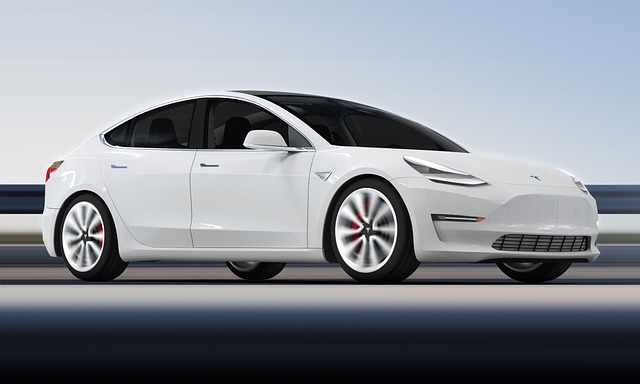
The Evolution of Tesla’s Market Strategy
Tesla began by targeting premium buyers with high-performance models like the Roadster and Model S before expanding into mass-market segments. The Model Y bridges affordability and technology sophistication, serving as a cornerstone of Tesla’s product lineup. It shares around 75% of its components with the Model 3, demonstrating how platform sharing reduces cost while maintaining brand identity. Vertical integration—from battery production to software design—has allowed Tesla to control quality and reduce dependency on suppliers.
How the Model Y Fits into Tesla’s Broader Product Ecosystem and Market Goals
The Model Y complements other Tesla vehicles by offering SUV practicality with sedan-like performance. Its crossover design appeals to families seeking space without compromising efficiency. Within Tesla’s ecosystem, it connects seamlessly with home energy products like Powerwall and solar panels, reinforcing the company’s goal of creating an integrated clean energy network that extends from home to vehicle.
The Role of Vertical Integration and Software-Driven Design in Shaping Market Dominance
Tesla’s dominance relies heavily on its vertically integrated model. By producing critical components such as batteries and chips internally, it avoids many supply chain disruptions faced by traditional automakers. The company’s software-first approach enables continuous improvement through over-the-air updates—a feature that keeps vehicles current long after purchase.
Global Demand Dynamics for Electric Vehicles
As electric mobility accelerates worldwide, regional differences in adoption reveal how policy frameworks and consumer behavior shape demand patterns for models like the Tesla Model Y.
Regional Adoption Trends Across North America, Europe, and Asia-Pacific
North America remains Tesla’s strongest market due to early infrastructure deployment and strong brand loyalty. In Europe, stringent emission regulations have driven EV adoption faster than expected, while Asia-Pacific—especially China—has become both a production hub and a massive consumer base for EVs.
Government Incentives and Regulatory Frameworks Influencing EV Uptake
Subsidies, tax credits, and zero-emission mandates have significantly boosted sales across major economies. For instance, European Union fleet-average CO₂ targets push automakers toward electrification to avoid penalties. Similarly, China’s New Energy Vehicle policy ties manufacturer quotas directly to EV output.
How Consumer Preferences Are Shifting Toward Crossovers and Compact SUVs Like the Model Y
Consumer data consistently show growing preference for compact SUVs due to their versatility. The Model Y capitalizes on this shift by combining elevated seating positions with aerodynamic efficiency uncommon in this class.
Engineering Innovations That Define the Model Y
Tesla’s engineering philosophy centers on integrating hardware efficiency with intelligent software systems—a combination that defines its competitive edge.
Battery Technology and Energy Efficiency
Tesla has refined its battery chemistry through multiple generations of lithium-ion cells. Structural battery packs introduced with the 4680 cell design improve rigidity while reducing manufacturing costs per kilowatt-hour. Range optimization stems not only from energy density improvements but also from efficient powertrain calibration. Compatibility with the Supercharger network ensures consistent charging speeds globally.
Software Architecture and Vehicle Intelligence
Over-the-air updates allow Tesla to deploy new features or fix vulnerabilities without dealership visits. AI-driven systems support predictive maintenance by analyzing sensor data for early fault detection. Autopilot capabilities rely on neural networks trained using fleet-wide driving data—a feedback loop that continuously enhances performance.
Manufacturing Excellence and Supply Chain Optimization
Tesla has redefined automotive manufacturing through its Gigafactory model—large-scale facilities designed for end-to-end production efficiency.
Gigafactories as a Competitive Advantage
Gigafactories located in Nevada, Shanghai, Berlin, and Texas serve regional markets efficiently while reducing logistics costs. Localized production minimizes tariffs and shortens delivery timelines. Each facility follows a modular architecture that allows rapid scaling based on demand fluctuations.
Material Sourcing and Sustainability Considerations
Sustainability begins at material sourcing: Tesla emphasizes ethical mining practices for lithium, nickel, and cobalt through supplier audits aligned with international standards such as ISO 14001. Circular economy initiatives include battery recycling programs that recover valuable metals for reuse in new cells.
Market Penetration Strategies Across Global Regions
Tesla tailors its strategies regionally while maintaining consistent brand positioning centered on innovation and sustainability.
North American Market Expansion Tactics
In North America, Tesla competes directly with established automakers entering the EV segment by emphasizing performance metrics like acceleration and range superiority. Investments in charging infrastructure strengthen consumer trust by reducing range anxiety.
European Market Adaptation Strategies
Compliance with EU safety standards has been crucial for success in Europe. Establishing assembly operations near Berlin demonstrates commitment to local employment while reducing transport emissions. Competition remains intense as legacy brands accelerate their EV rollouts under carbon neutrality pledges.
Asian Market Growth Opportunities
China remains pivotal due to scale advantages in supply chains and government support for electrification. Local partnerships help optimize costs while meeting domestic content requirements. Emerging Southeast Asian markets represent future growth zones as charging infrastructure expands rapidly across urban centers.
The Broader Implications for the Electric Vehicle Industry
The ripple effect of the Model Y extends beyond sales figures—it reshapes R&D priorities across the global automotive landscape.
Influence on Competitor Innovation Cycles
Traditional automakers now benchmark their EV projects against Tesla’s performance metrics—particularly software integration levels and real-world range efficiency. This competition accelerates innovation cycles across the sector.
Shaping Consumer Perceptions of Electric Mobility
By normalizing high-performance electric cars as aspirational yet practical choices, Tesla has shifted public perception from novelty to necessity. Ownership cost parity compared to internal combustion vehicles further reinforces this transition toward mainstream acceptance.
Future Outlook: Tesla’s Role in Defining Global EV Standards
Looking ahead beyond 2026, technological convergence between energy storage systems and transportation will deepen as vehicles become integral parts of smart grids.
Anticipated Technological Advancements Beyond 2026
Next-generation batteries aim for higher energy density exceeding 400 Wh/kg with faster charge times under 10 minutes per full cycle according to projections by BloombergNEF (2024). Integration between vehicles and home energy ecosystems will enable bi-directional charging where cars stabilize residential power loads during peak demand hours.
Policy Influence and Industry Collaboration Potential
Tesla increasingly collaborates with policymakers worldwide to align charging infrastructure development with renewable energy targets set by agencies such as IEA (International Energy Agency). Open-source initiatives around charging standards could accelerate interoperability across brands—an essential step toward mass electrification scalability.
FAQ
Q1: Why is the Tesla Model Y considered pivotal in global EV adoption?
A: It combines affordability with advanced technology while fitting into one of the most popular vehicle categories globally—the compact SUV segment—making it accessible to mainstream consumers.
Q2: How does vertical integration benefit Tesla?
A: It allows tighter control over supply chains, reduces costs associated with third-party dependencies, and supports rapid innovation cycles through unified hardware-software development.
Q3: What makes structural battery packs unique?
A: They integrate cells into the vehicle chassis itself, improving rigidity while lowering weight—enhancing both safety performance and manufacturing simplicity.
Q4: How do Gigafactories contribute to sustainability goals?
A: By localizing production near key markets they cut transport emissions significantly while enabling renewable-powered operations aligned with carbon neutrality objectives.
Q5: What trends will define electric cars after 2026?
A: Advances in solid-state batteries increased grid connectivity via vehicle-to-home systems continued AI-driven autonomy development will define next-generation electric mobility worldwide.