



Electric Vehicles, Battery Technology, Automotive Trade, Charging Infrastructure, Supply Chains
The Hyundai Ioniq 5 represents a turning point in how electric cars are engineered and perceived. Its battery system, built on the E‑GMP platform, demonstrates a shift toward scalable architecture and rapid‑charging capability that redefines user expectations. This evolution is not only about range or power; it’s about reshaping supply chains, sustainability goals, and the economics of energy storage across the automotive trade. The Ioniq 5’s design choices show where the industry is heading—toward faster charging, longer life cycles, and smarter integration with renewable grids.
Evolution of Battery Technology in the Hyundai Ioniq 5
Hyundai’s approach to electrification has matured from early hybrids to a full‑scale electric vehicle lineup. The Ioniq 5 stands as both a commercial product and a testbed for future mobility systems.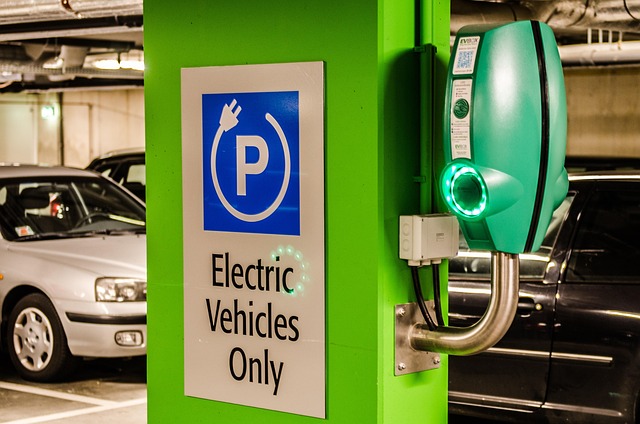
The Foundation of Hyundai’s Electric Vehicle Strategy
Hyundai began its electric journey through hybrid systems that balanced efficiency with affordability. The transition to fully electric platforms was driven by global emissions targets and consumer demand for cleaner mobility. Central to this shift is the Electric Global Modular Platform (E‑GMP), which allows engineers to mount battery packs beneath the floor for better weight distribution and cabin space. The Ioniq 5 was positioned as a technology demonstrator—a showcase of what modular design can achieve in terms of performance and flexibility.
Technical Advancements in Battery Architecture
The Ioniq 5 employs high‑density lithium‑ion polymer cells that increase energy retention without adding excessive weight. This chemistry supports higher discharge rates suitable for performance driving while maintaining stability during repeated fast‑charging cycles. Its modular pack layout enables multiple configurations across different models within Hyundai’s EV family. A liquid‑based thermal management system keeps cells within their ideal temperature range, preventing degradation under extreme load or climate conditions.
Charging Innovation and Energy Efficiency
Battery innovation alone cannot define an electric car; charging infrastructure and energy efficiency complete the equation. Hyundai’s engineers have focused on reducing downtime and expanding compatibility across charging networks.
Ultra‑Fast Charging Capabilities
The 800V electrical architecture allows the Ioniq 5 to recharge from 10 to 80 percent in roughly 18 minutes under optimal conditions. What makes it more practical is its ability to accept both 400V and 800V chargers without additional adapters or converters. For long‑distance travel, this means shorter stops and less planning anxiety—an essential factor in convincing traditional drivers to move toward electric cars.
Bi‑Directional Charging and Vehicle‑to‑Grid Applications
Beyond conventional charging, the Ioniq 5 introduces bi‑directional functionality through Vehicle‑to‑Load (V2L) ports that can power external devices or even another vehicle. In emerging markets where grid reliability fluctuates, such features transform EVs into mobile energy units. When scaled through Vehicle‑to‑Grid (V2G) integration, fleets could support local grids by returning stored energy during peak hours—a concept aligning with sustainable energy ecosystems promoted by organizations like the International Renewable Energy Agency (IRENA).
Performance Optimization Through Battery Management Systems
Battery performance depends heavily on intelligent monitoring rather than raw chemistry alone. Hyundai’s software layer brings predictive control into daily driving scenarios.
Intelligent Energy Distribution and Monitoring
Advanced battery management algorithms track voltage balance across hundreds of cells, ensuring consistent output during acceleration or regenerative braking. Predictive analytics help identify early signs of cell fatigue or imbalance before they affect usable range. This continuous supervision stabilizes performance even under varying temperatures or driver behaviors.
Thermal Regulation Strategies for Longevity
Liquid cooling channels distribute heat evenly throughout the pack while adaptive control adjusts coolant flow based on driving intensity or ambient temperature data collected from sensors. Such precision extends cell life by minimizing thermal stress—a key determinant of residual value in used electric cars—and reduces maintenance costs over time.
Sustainability and Lifecycle Considerations in Battery Design
Sustainability has become an engineering metric equal to horsepower or torque. Every stage—from sourcing materials to recycling—affects both environmental impact and long‑term profitability.
Material Sourcing and Environmental Responsibility
Hyundai has joined global efforts to secure ethically mined nickel and cobalt while exploring lithium alternatives with lower ecological footprints. Recycled aluminum casings and reclaimed plastics are increasingly used within battery modules to reduce dependency on virgin resources. These steps align with international sustainability standards set by ISO 14001 for environmental management systems.
End‑of‑Life Battery Management and Recycling Initiatives
At end of service life, used packs enter closed‑loop recycling programs designed to recover valuable metals like nickel, manganese, and lithium for reuse in new cells. Some partially degraded batteries find secondary applications in stationary storage systems supporting renewable installations or backup grids—extending their utility beyond automotive use while creating economic value through circular processes.
The Broader Implications for the Electric Vehicle Industry
The Ioniq 5’s platform innovations ripple across manufacturing strategies worldwide, influencing how automakers balance cost efficiency with technological ambition.
Setting New Benchmarks in Efficiency and User Experience
By combining fast charging with broad infrastructure compatibility, Hyundai has raised expectations around convenience and total cost of ownership. Competitors now benchmark against these metrics when designing next‑generation EVs aimed at mainstream adoption.
Future Directions in Battery Research and Integration
Hyundai’s research pipeline includes solid‑state battery exploration promising higher energy density and improved safety margins compared with current lithium chemistries. Collaboration between automotive firms, electronics manufacturers, and energy providers could accelerate breakthroughs that redefine mobility ecosystems globally.
FAQ
Q1: How long does it take to charge the Hyundai Ioniq 5 using an 800V charger?
A: It can reach 80 percent capacity in about 18 minutes under ideal conditions using ultra‑fast DC charging stations.
Q2: What makes the E‑GMP platform different from earlier EV architectures?
A: It uses a flat battery layout for better space utilization, supports both rear‑wheel and all‑wheel drive setups, and accommodates multiple body types efficiently.
Q3: Can the Ioniq 5 supply power to household devices?
A: Yes, its V2L feature allows users to run appliances or tools directly from the car’s battery via standard outlets.
Q4: How does Hyundai handle used EV batteries?
A: They are directed into recycling programs where metals are recovered or repurposed into stationary storage units for renewable energy projects.
Q5: Are solid‑state batteries expected soon in production models?
A: Development continues globally; commercial rollout is anticipated later this decade once manufacturing scalability improves.