



Electric Cars News, Advice and Reviews
Electric mobility is no longer a distant vision but a defining reality of the global automotive industry. Electric cars are transforming markets, trade flows, and industrial priorities. Governments, automakers, and consumers are aligning toward zero-emission transportation as the next growth frontier. The shift is not just technological; it’s geopolitical and economic. From Europe’s policy-driven acceleration to China’s battery dominance and North America’s infrastructure race, every region is reconfiguring its automotive strategy. This article explores how electrification reshapes production networks, trade balances, and energy systems worldwide.
The Global Shift Toward Electric Mobility
The move toward electric mobility signals a structural change in how nations view transport sustainability and industrial competitiveness. It is driven by regulatory pressure, innovation cycles, and shifting consumer values.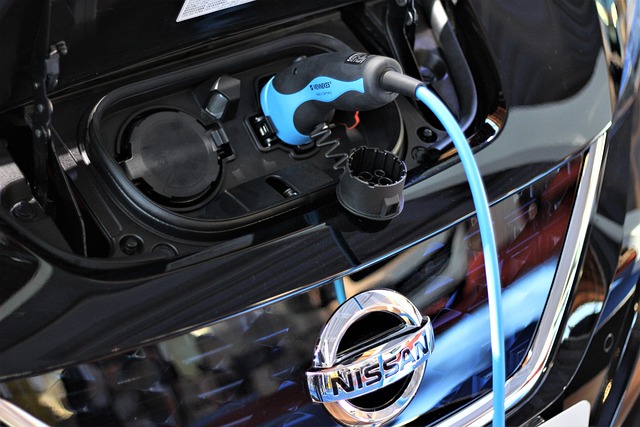
The Acceleration of Electric Vehicle Adoption Worldwide
Government incentives remain central to EV growth. Subsidies, tax breaks, and carbon credit systems have made electric cars more accessible across income groups. Stricter emission regulations in Europe and parts of Asia have forced automakers to accelerate their transition timelines. Major carmakers like Volkswagen and General Motors are converting entire production lines to electric platforms to meet both policy targets and investor expectations. Consumer attitudes are evolving too—buyers increasingly value environmental performance alongside brand prestige. Advances in battery range, charging speed, and total cost of ownership further reinforce this momentum.
Key Markets Leading the Transition
Europe leads through regulation rather than scale. Its emissions trading system and fleet CO₂ limits have pushed manufacturers to prioritize EVs in their portfolios. In contrast, China dominates by scale: it controls over 70% of global battery cell manufacturing capacity and continues to expand through state-backed industrial policies. North America follows a different path—its focus lies on premium electric cars and nationwide charging networks supported by private investment and federal grants. Each market contributes differently but collectively drives the world toward electrification.
Transformations in the Automotive Supply Chain
As electric mobility expands, traditional supply chains built around internal combustion engines face disruption. Suppliers must adapt or risk obsolescence.
Redefining Supply Networks for Electric Vehicle Components
Suppliers of pistons, exhaust systems, or fuel injectors now see declining orders as EV adoption rises. In their place emerge firms specializing in lithium-ion batteries, semiconductors, power electronics, and software integration modules. Automakers increasingly pursue vertical integration—owning battery plants or chip design capabilities—to secure supply stability and manage costs amid volatile raw material prices.
The Role of Battery Production in Global Trade Dynamics
Battery manufacturing has become the new oil field of the 21st century. Lithium from Chile, cobalt from the Democratic Republic of Congo, and nickel from Indonesia shape new geopolitical dependencies. Countries hosting these resources gain strategic leverage over global trade flows. Meanwhile, recycling technologies create circular economies where used EV batteries re-enter production as raw materials or serve secondary uses in energy storage systems.
Economic Implications for Automotive Exporters and Importers
The rise of electric cars alters trade hierarchies long dominated by gasoline vehicle exporters like Japan and Germany.
Shifting Trade Balances Among Major Automotive Nations
Nations dependent on internal combustion exports face revenue pressure as demand shifts toward EVs. Conversely, emerging economies investing early in electric vehicle technology—such as India or Vietnam—gain competitive advantages by supplying components or software services for connected vehicles. Tariff frameworks are also evolving: customs codes now distinguish between EV components like battery cells or power modules rather than complete vehicles alone.
The Emergence of New Trade Alliances in the EV Era
Cross-border collaborations between automakers and tech firms define this era’s industrial alliances. Partnerships such as joint R&D ventures on solid-state batteries or shared charging standards reduce duplication costs while accelerating innovation cycles. Regional trade agreements increasingly include sustainability clauses that reward low-emission manufacturing practices—a sign that environmental compliance now equals market access.
Technological Innovation as a Catalyst for Market Realignment
Technology sits at the center of this transformation—not just hardware but also digital ecosystems surrounding vehicles.
Advancements in Battery Technology and Their Trade Impact
Solid-state batteries represent a breakthrough with higher energy density and improved safety over conventional lithium-ion types. As they mature commercially, reliance on rare materials like cobalt could decline, reducing exposure to politically unstable mining regions. Intellectual property rights around these innovations already shape international negotiations similar to semiconductor patents two decades ago.
Software Integration and Data as New Trade Commodities
Modern electric cars operate more like mobile computers than mechanical machines. Their software platforms manage everything from energy efficiency to autonomous driving updates delivered over-the-air. This creates new export categories centered on data analytics rather than physical goods. However, cross-border data regulations complicate operations since connected vehicles constantly transmit information across jurisdictions with differing privacy laws.
Infrastructure Development and Its Influence on Global Markets
Infrastructure remains both an enabler and constraint for electric mobility expansion worldwide.
Charging Network Expansion Across Continents
Interoperable charging standards allow drivers to move seamlessly across borders without compatibility issues—a major milestone for logistics fleets adopting EVs globally. Public-private partnerships play an essential role: governments fund grid connections while companies handle site development and customer service layers. Increasingly these stations run on renewable energy sources such as solar or wind power to strengthen environmental credibility.
Energy Grid Adaptation to Support Electric Mobility Growth
As millions of vehicles plug into national grids daily, electricity demand patterns shift dramatically. Countries with renewable surpluses gain export potential through clean energy credits or hydrogen derived from excess generation capacity. Smart grid technologies help balance loads dynamically between homes, factories, and transport sectors—reducing peak stress while maximizing resource use efficiency.
Policy Frameworks Shaping the Future of Automotive Trade
Policy remains the ultimate arbiter determining who benefits most from this transition.
Government Regulations Encouraging Electrification
Emission reduction targets across major economies push automakers toward full electrification within two decades. Subsidy programs lower entry barriers for consumers while carbon pricing penalizes laggards still dependent on fossil fuels. Harmonized technical standards simplify cross-border certification processes so that one vehicle model can serve multiple markets efficiently.
Trade Policies Addressing Sustainability Goals
Carbon border adjustments being discussed within international trade bodies could reshape cost structures for exporters relying on high-emission supply chains. Environmental certifications may soon become prerequisites for exporting vehicles into regulated regions such as the EU or Japan’s green import framework. Financial institutions increasingly tie credit terms to sustainability metrics—a trend known as green financing—encouraging manufacturers to adopt cleaner production methods throughout their value chains.
FAQ
Q1: What factors most influence global electric car adoption?
A: Policy incentives, stricter emission norms, falling battery costs, and growing consumer interest drive adoption rates worldwide.
Q2: Which countries dominate electric vehicle production today?
A: China leads manufacturing capacity; Europe drives regulatory leadership; North America focuses on premium segment innovation.
Q3: How do electric vehicles affect traditional auto suppliers?
A: They face reduced demand for mechanical parts but gain opportunities in electronics, software integration, and energy storage components.
Q4: Why is battery recycling becoming important?
A: Recycling reduces raw material dependency while lowering environmental impact from mining operations tied to lithium or cobalt extraction.
Q5: How does infrastructure impact EV market growth?
A: Reliable charging networks encourage consumer confidence; without them large-scale adoption slows despite strong policy support.