


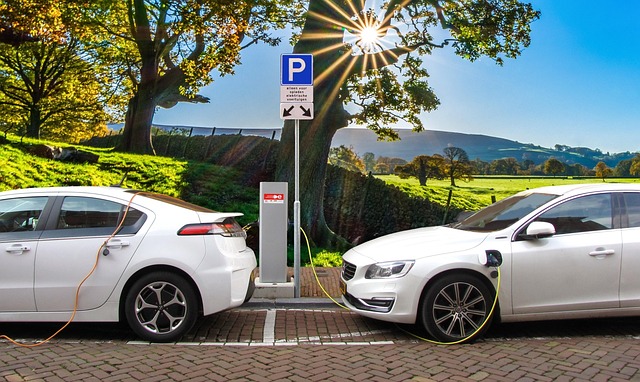

10th Electric Vehicle Fast-Charging Site in Kentucky Announced in Bowling Green
Kentucky’s electric vehicle (EV) infrastructure has reached a pivotal point with the announcement of its 10th fast-charging site in Bowling Green. This development signals more than just another charging station; it marks a structural shift toward sustainable transportation across the state. Supported by both state and federal programs, this milestone enhances regional mobility, reduces range anxiety, and encourages EV adoption among consumers and fleet operators. The strategic location of this new hub also strengthens interstate connectivity between major cities like Nashville, Louisville, and Lexington, aligning with national goals for clean energy transition.
The Expansion of Electric Vehicle Infrastructure in Kentucky
The expansion of Kentucky’s EV charging network reflects a coordinated effort to meet rising demand for reliable electric car charging stations. Each new installation strengthens the state’s capacity to support long-distance travel while promoting economic growth through green technology investment.
Overview of the 10th Fast-Charging Site Development
The establishment of the 10th fast-charging site in Bowling Green marks a significant milestone for Kentucky’s clean transportation network. It demonstrates how regional planning integrates environmental policy with infrastructure needs. Strategically located near major highways, the site enhances connectivity for both local commuters and interstate travelers. This initiative aligns closely with federal sustainability objectives and supports broader efforts under the National Electric Vehicle Infrastructure (NEVI) program to create a seamless nationwide charging corridor.
Policy and Funding Framework Supporting the Project
Federal NEVI funding plays a critical role in expanding Kentucky’s EV network by providing resources for design, construction, and long-term maintenance. At the state level, incentives encourage private-sector collaboration through grants and tax credits that reduce deployment costs. These partnerships ensure interoperability across networks so drivers can easily access stations regardless of brand or provider. The policy framework also emphasizes equitable access, ensuring that rural areas benefit alongside urban centers.
Technological Aspects of Fast-Charging Stations
As Kentucky’s infrastructure evolves, technological innovation becomes central to scaling efficiency and reliability. The move from traditional Level 2 chargers to high-capacity DC fast chargers demonstrates how hardware improvements directly impact user convenience and grid performance.
Evolution of Charging Technology in Kentucky’s Network
Early charging sites relied on slower Level 2 units suited mainly for overnight use. Today’s installations feature DC fast chargers capable of replenishing most batteries within 30 minutes or less. These systems integrate smart grid technologies that manage electrical loads dynamically, preventing grid strain during peak hours. Safety standards remain paramount; all units comply with IEC and IEEE protocols governing voltage stability and thermal management.
Power Capacity and Grid Integration Considerations
Each fast-charging site requires robust utility coordination to handle power loads exceeding several hundred kilowatts per station. Utilities work closely with developers to balance energy distribution while maintaining service reliability for surrounding communities. Increasingly, renewable sources such as solar arrays are being integrated into these facilities to offset carbon emissions and stabilize operational costs over time.
Strategic Importance of Bowling Green as a Charging Hub
Bowling Green’s selection as the newest hub was not incidental—it reflects careful analysis of geography, traffic flow, and economic potential. Positioned along Interstate 65, it serves as a vital midpoint connecting multiple metropolitan markets.
Geographic and Economic Factors Influencing Location Choice
The city’s proximity to major transportation corridors makes it ideal for supporting both commuter traffic and long-haul freight electrification. Bowling Green also benefits from a strong tourism economy anchored by attractions like motorsports venues and manufacturing centers that boost visitor traffic—and consequently—charging demand. Land availability near existing utilities further simplified development logistics.
Regional Impact on Transportation Networks
This new site strengthens corridor coverage between Nashville, Louisville, and Lexington—three key nodes in Kentucky’s mobility ecosystem. With improved reliability across routes, drivers gain confidence traveling longer distances without concern about charger availability. The expanded network also supports commercial fleet transitions by enabling predictable logistics scheduling based on consistent access to high-speed charging.
Implications for Electric Vehicle Adoption in Kentucky
Infrastructure availability is one of the strongest predictors of consumer adoption rates in emerging EV markets. As more stations appear statewide, public perception shifts from novelty toward practicality.
Influence on Consumer Confidence and Market Growth
Reliable access to electric car charging stations directly reduces range anxiety—a common barrier among potential buyers considering EVs over gasoline models. Increased visibility along highways normalizes EV ownership while signaling government commitment to clean energy transition. Dealerships report higher interest when customers see tangible evidence of accessible charging infrastructure nearby.
Integration with Future Mobility Ecosystems
Beyond private vehicles, this expansion complements broader trends such as autonomous fleets and shared mobility platforms that rely heavily on consistent power access. Data collected from station usage patterns informs future siting decisions using predictive analytics tools developed by utilities and planners. Collaboration among automakers, software developers, and policymakers fosters innovation that accelerates Kentucky’s shift toward an integrated sustainable transport system.
Challenges and Opportunities Ahead for Charging Infrastructure Development
While progress is evident, scaling up presents technical challenges tied to grid capacity, regulatory alignment, and cost recovery models that balance affordability with profitability for operators.
Addressing Technical, Regulatory, and Economic Barriers
Grid stability remains a concern as cumulative demand increases across densely populated corridors. Coordination between transmission operators and station developers is essential to prevent localized overloads during simultaneous high-power sessions. On the regulatory side, zoning restrictions or lengthy permitting processes can slow deployment timelines significantly. Financially sustainable pricing models must cover maintenance costs without discouraging users through excessive fees.
Pathways Toward Network Optimization and Scalability
Future growth depends on standardization across networks so drivers can use any charger seamlessly via universal payment systems or plug types compliant with ISO standards such as ISO 15118 for communication protocols. Predictive analytics will help identify optimal placement based on real-time usage data rather than static demographic assumptions. Continued research into ultra-fast charging—capable of delivering 350 kW or more—will define the next frontier in reducing wait times while maintaining battery longevity.
FAQ
Q1: Why was Bowling Green chosen for Kentucky’s 10th fast-charging site?
A: Its location along Interstate 65 connects major cities like Nashville and Louisville while supporting local economic growth through tourism and industry activity.
Q2: How does NEVI funding support these projects?
A: NEVI provides federal grants covering up to 80% of eligible project costs including equipment purchase, installation labor, and network integration requirements.
Q3: What type of chargers are being installed at these new sites?
A: High-capacity DC fast chargers capable of delivering power outputs exceeding 150 kW are standard at new installations statewide.
Q4: How will renewable energy be integrated into future sites?
A: Developers plan hybrid systems combining solar panels with battery storage units to offset peak demand loads while reducing carbon emissions.
Q5: What challenges still exist for expanding EV infrastructure in rural areas?
A: Rural deployments face higher per-site costs due to lower utilization rates and limited grid capacity but remain vital for equitable statewide coverage.