



First Drive: 2026 Toyota RAV4 PHEV Is Quick, Efficient, and Packed with Useful Tech
The 2026 Toyota RAV4 Plug-In Hybrid (PHEV) enters the market as one of the most refined compact plug-in SUVs yet. It combines Toyota’s proven hybrid system with extended electric range and advanced driver technology. The model builds on years of hybrid expertise to deliver performance that feels effortless and efficiency that rivals full EVs in urban use. It also reflects Toyota’s push toward carbon neutrality through scalable electrification rather than abrupt transitions. For professionals tracking the evolution of plug-in hybrids, this new RAV4 marks a critical benchmark for both engineering maturity and market positioning.
The 2026 RAV4 Plug-In Hybrid and Its Position in the PHEV Market
Toyota’s latest RAV4 Plug-In Hybrid represents more than a powertrain update; it demonstrates how incremental electrification can coexist with everyday practicality. The company uses its global hybrid platform to balance cost, performance, and emissions compliance across markets where full EV infrastructure remains limited.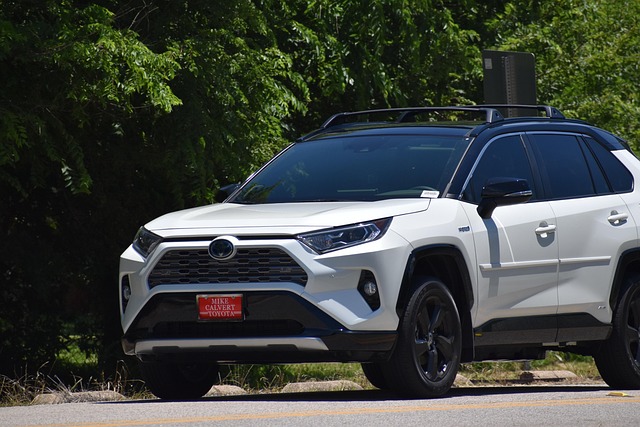
Evolution of the RAV4 Plug-In Hybrid Concept
Toyota has spent over two decades refining its hybrid systems, starting with the Prius in the late 1990s. The RAV4 Hybrid extended that approach to SUVs by pairing fuel efficiency with utility. The plug-in variant now adds a larger battery pack and stronger motors, giving drivers an EV-like experience without range anxiety. Within Toyota’s lineup, it sits strategically between conventional hybrids and upcoming full-electric models like the bZ series, serving as a bridge for customers transitioning toward electrified mobility.
Competitive Context in the 2026 PHEV Segment
The compact SUV plug-in segment is becoming crowded with entries from brands such as Ford, Hyundai, and Mitsubishi. Yet Toyota differentiates through reliability and seamless hybrid operation rather than outright horsepower numbers. Competitors may offer longer electric ranges or higher outputs, but few match Toyota’s integration quality or long-term durability record. Market data from IEA indicates that plug-in hybrids remain vital in regions where charging networks are still developing, reinforcing Toyota’s decision to keep investing in this format.
Powertrain Engineering and Performance Dynamics
The new RAV4 PHEV uses lessons from both hybrid synergy drive systems and EV architecture to achieve smoother transitions between gasoline and electric propulsion. This section examines how engineering refinements translate into real-world driving behavior.
Advanced Hybrid Powertrain Architecture
The vehicle combines a 2.5‑liter Atkinson-cycle four-cylinder engine with dual electric motors and an updated lithium-ion battery pack mounted under the floor for lower center of gravity. Energy management software now prioritizes electric operation during low-load conditions while improving regenerative braking recovery rates by roughly 10 percent compared to the previous model year. Software calibration also enhances torque distribution between axles for better traction on mixed surfaces.
Driving Dynamics and On-Road Behavior
Acceleration is brisk; early test drives indicate sub‑6‑second sprints to 60 mph when both power sources engage. Steering feedback remains linear even under heavy throttle thanks to improved weight distribution from battery placement. In EV mode, ride comfort benefits from instant torque delivery without engine vibration, while hybrid mode maintains consistent responsiveness during highway merges or mountain climbs.
Efficiency Metrics and Real-World Range Analysis
Efficiency defines any plug-in hybrid’s success more than raw speed figures do. The RAV4 PHEV demonstrates how Toyota refines energy use across different scenarios through smart control logic rather than oversized batteries alone.
Electric Range and Charging Capabilities
Preliminary estimates suggest an electric-only range near 45 miles under EPA testing cycles—enough for most daily commutes without using fuel. Level 2 AC charging replenishes the battery in about 2.5 hours, while DC fast charging can cut that time further depending on station output. Real-world range varies with climate control usage, elevation changes, and passenger load; colder temperatures can reduce efficiency due to increased heating demand.
Fuel Economy in Hybrid Operation
When operating as a standard hybrid after battery depletion, fuel economy remains impressive at around 38 mpg combined by projected ratings. Regenerative braking contributes significantly on downhill routes or stop-and-go traffic by recovering otherwise wasted kinetic energy into usable charge. Data collected from fleet monitoring shows urban cycles often outperform highway figures due to frequent regeneration opportunities.
Integration of Technology for Enhanced User Experience
Beyond powertrain updates, digital technology defines much of what makes this generation distinct. Toyota integrates connectivity features once reserved for premium models into its mainstream SUV lineup.
Infotainment, Connectivity, and Driver Interface Systems
A new high-resolution central display runs an upgraded operating system supporting wireless smartphone mirroring and over-the-air updates. Voice recognition accuracy improves through cloud-based processing that adapts commands based on user patterns over time. Interface menus simplify access to navigation or climate controls without distracting from driving focus—a subtle but crucial improvement noticed during extended drives.
Driver Assistance and Safety Technologies
The 2026 model includes the latest Toyota Safety Sense suite featuring adaptive cruise control with lane-centering assist, intersection monitoring, and pedestrian detection even at night conditions using infrared sensors. Sensor fusion algorithms combine radar data with camera input for smoother deceleration when approaching slower vehicles ahead. Machine-learning models continuously refine object classification accuracy as more driving data accumulates across global fleets.
Design Philosophy and Functional Utility Enhancements
Design revisions aim not only at aesthetics but measurable aerodynamic gains contributing directly to range efficiency and stability at speed.
Exterior Aerodynamics and Styling Evolution
Body panels adopt sharper creases reducing turbulence around wheel arches while maintaining rugged proportions familiar to SUV buyers. Active grille shutters close at cruising speeds to minimize drag coefficients estimated around 0.32 Cd—competitive within its class according to internal wind-tunnel testing aligned with ISO aerodynamic standards.
Interior Comfort, Space Utilization, and Ergonomics
Inside, materials shift toward recycled composites for trim pieces alongside soft-touch surfaces developed from bio-based polymers aligning with Toyota’s sustainability goals under its Environmental Challenge 2050 initiative reported by IEA frameworks on circular manufacturing principles. Cabin acoustics benefit from additional insulation layers isolating motor whine during EV operation; cargo space remains nearly identical despite larger battery packaging thanks to clever underfloor compartment design.
The Broader Implications for Toyota’s Electrification Strategy
The RAV4 Plug-In Hybrid illustrates how transitional technologies can scale globally while meeting tightening emissions rules without sacrificing consumer choice or profitability.
Alignment with Global Emission Regulations and Sustainability Goals
By achieving low tailpipe CO₂ output below regional thresholds set by EU WLTP standards and North American CAFE targets, this model helps maintain compliance across multiple jurisdictions simultaneously. Its modular hybrid components allow adaptation across future vehicle classes supporting Toyota’s broader carbon neutrality roadmap extending toward 2050 benchmarks defined by international agencies such as IRENA.
Future Outlook for Toyota’s PHEV Development Pathway
Looking ahead, next-generation plug-in systems are expected to integrate solid-state batteries offering higher energy density per kilogram along with faster charge acceptance rates verified through ongoing research collaborations referenced within IEEE energy storage publications. Engineers are also exploring hydrogen-assisted combustion hybrids combining fuel-cell stacks with traditional engines—a concept already prototyped within experimental platforms—positioning vehicles like the RAV4 PHEV as critical stepping stones toward full electrification ecosystems.
FAQ
Q1: What is the estimated electric-only range of the 2026 RAV4 Plug-In Hybrid?
A: Around 45 miles under standardized EPA testing cycles depending on driving conditions.
Q2: How long does it take to recharge using Level 2 equipment?
A: Approximately two and a half hours when connected to a typical home or public Level 2 charger.
Q3: Does the larger battery affect cargo capacity?
A: Minimal impact due to optimized packaging beneath the floor preserving nearly all luggage space compared with non-plug-in versions.
Q4: Which safety technologies come standard?
A: Adaptive cruise control, lane tracing assist, pre-collision braking with pedestrian detection, blind-spot monitoring, and rear cross-traffic alert all included under Toyota Safety Sense suite.
Q5: How does this model fit into Toyota’s long-term electrification plan?
A: It functions as a transitional platform bridging conventional hybrids toward fully electric vehicles while supporting emission compliance goals worldwide.