




The AI-Energy Paradox: Can Climate Tech Innovations Survive the Data Center Boom?
Artificial intelligence now powers much of today’s digital world. But its huge need for energy creates a real problem for climate tech ideas. Data centers are growing fast to run AI models and cloud services. Their power use is starting to match that of whole countries. This odd situation sits between AI’s chance to speed up green efforts and its own harm to the planet. It brings up a big question. Can climate tech ideas keep going in a time ruled by power-hungry data setups?
The Scale of the AI Energy Challenge
Training AI and using it takes a lot of computing power. Big models need thousands of GPUs working non-stop for weeks or even months. These tasks pull in tons of electricity. Much of that power still comes from coal or gas plants. Companies buy renewable energy credits to help. Yet the real fact stays the same. More data work means more electricity drawn.
The International Energy Agency predicts something clear. Global data center power use might double by 2026. This holds if things keep going as they are. That number covers huge facilities and smaller edge spots that support AI apps. Think about this too. Some AI tasks use up to ten times more energy per search than old-style search tools. So, better ways to save power might not catch up to this rise. For example, in places like Virginia, where data centers cluster, local power lines already feel the strain during hot summer days.
Cooling and Infrastructure Pressures
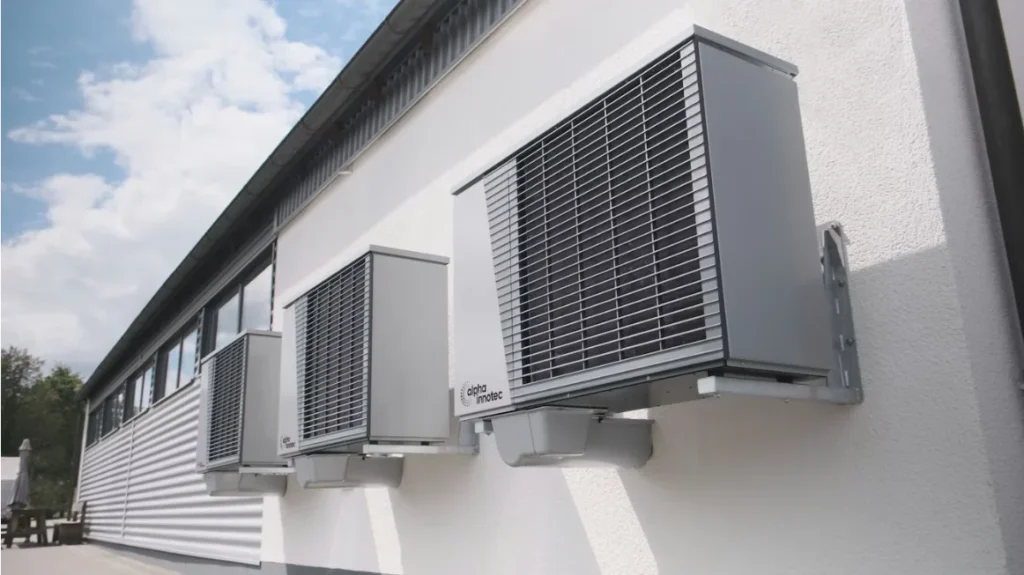
Computing is not the only issue. Cooling adds more trouble. Dense racks of servers create serious heat. This calls for smart liquid cooling or full immersion methods. Those setups often need a lot of water. Or they use chemicals that hurt the environment in their own way. Cities with big groups of data centers face limits already. Think of Dublin with its water worries, Phoenix dealing with dry heat, or Singapore managing tight resources. These spots have seen rules tighten because of pressure on local power and water supplies.
The odd part gets worse here. Many climate tech startups rely on cloud AI for key work. They model pollution levels or plan better power grids. They even predict how much clean energy sources will produce. So their green goals tie right into the systems that boost energy needs. It’s like they’re using the problem to fight it, which feels a bit ironic sometimes.
How Climate Tech Innovations Are Responding?
People in climate tech are not just watching this happen. They push forward with fresh designs, better materials, and new ways to run things. The goal is to cut down on carbon use in all digital setups. And honestly, it’s exciting to see small teams come up with ideas that big companies might overlook.
Smarter Data Center Design
New data centers go up near clean power sources. For instance, some sit by big hydro dams or out in the sea with wind farms. This cuts down on power lost in travel lines. It also makes sure the energy is cleaner from the start. Other places try small local power networks. These use sun panels linked to big batteries. Such setups let them break away from main power lines during busy times.
AI can lend a hand in this area as well. Smart programs guess when to cool based on live heat checks. They reduce extra cooling that wastes energy by as much as 30%. This shows one thing. Machine learning can shrink its own harm if people use it with care. Take a real case in Sweden, where a data center uses waste heat to warm nearby homes—practical and green at once.
Hardware Efficiency and Circularity
Improving the machines themselves matters a lot. It lowers the energy needed for each bit of work. Special chips built just for AI jobs, like tensor processing units (TPUs), give more output per bit of power than standard GPUs. At the same time, ideas from recycling economies are picking up speed. Fixing up old servers or pulling rare metals from tossed-out gear saves money. It also trims the carbon tied to making new stuff.
A few companies share numbers on energy used per AI task. They put these stats next to speed tests. This pushes the whole field toward openness. In my view from industry chats, this transparency could really change how firms compete—not just on speed, but on green impact too.
Can Renewable Integration Keep Pace?
Efficiency helps, sure. But the huge growth in AI calls for a flood of clean energy builds. Still, hooking it all up to the grid varies by place. And sometimes, that mismatch leads to odd delays, like projects waiting years for approval.
Grid Modernization Challenges
Lots of countries hit roadblocks. New sun or wind farms can’t connect fast because old lines can’t handle it. Or rules take too long to approve. In spots where clean power beats local needs at times, they just shut it off. That’s lost chance that could feed data centers if schedules flexed a bit.
To match growth with green aims, data folks need to team up with power companies and leaders. Smart price plans can push less urgent jobs to times when clean power flows strong. For instance, in California, some centers shift tasks to sunny afternoons, saving on dirty power peaks.
Emerging Solutions: Green Compute Zones
A few governments set up special areas called “green compute zones.” Here, building data centers links straight to new clean energy projects. This idea comes from factory zones where waste from one plant feeds another. Now it’s for digital worlds. It’s a good step that rules are changing with tech needs.
But doubts remain about making it big everywhere. Can every area line up digital growth with clean power? It comes down to leaders wanting it and groups working together. Regions like parts of Europe seem ahead, while others lag—highlighting how location matters in this race.
The Economic Tension Between Growth and Sustainability?
Money keeps flowing into AI setups and climate tech firms. Billions pour in. These areas pull in opposite ways but connect deeply. Investors chase quick wins, yet green ties pull them back.
Capital Allocation Dilemmas
Venture money often picks fast growth over deep green checks. Young firms on catching carbon or smoothing grids fight for cash. They lose out to bright AI tools that promise fast money. This tilt might slow the path to zero pollution. All while digital worth shoots up. Picture a startup in Texas innovating battery tech, but struggling against AI hype in Silicon Valley—it’s a tough balance.
That said, big company green promises are shifting money paths. Cloud giants now tie boss pay to cutting pollution goals. They make suppliers share full life-cycle effects. These steps build real change, step by step.
Pricing Carbon Into Compute Costs
More experts push for putting a carbon price inside data operations. This means giving a dollar cost to each unit of power based on where it comes from. It could tip the scales to firms heavy on clean sources. And hold back wild growth in dirty power areas.
This sounds like theory now. But as rules tighten around the world, it might turn common. In Europe, early tests show it nudges firms toward better choices without big mandates.
What Role Should Policy Play?
Rules from governments guide how fast green ways spread. This happens in fields mixed with digital shifts. Strong policies can speed things up, but they need to fit the quick changes in tech.
Regulatory Levers
Leaders can push real steps. They require reports on pollution levels from data centers. Or offer breaks for using low-harm build stuff like reused steel and green concrete options. Tax help linked to real cuts, not just paper offsets, would match money to true gains.
Yet strict rules can slow new ideas if they don’t bend for fast tech changes in AI and clean power. It’s a fine line—too loose, and nothing moves; too tight, and progress stalls.
Public-Private Collaboration
Teams across groups are key. Power firms offer special green rates for big customers. Schools share free data sets for research on low-energy code. City leaders give land deals if centers recover waste heat for town warming systems.
These links mix old lines between tech planning and green rules. That’s just what’s needed for big issues like this mix of forward steps and green care. From what I’ve seen in reports, places like Denmark lead with such ties, turning challenges into wins.
FAQ
Q1: What is the main issue behind the AI-energy paradox?
A: The paradox comes up because artificial intelligence pushes forward many green technologies. At the same time, it uses huge amounts of electricity through big data centers. Those centers run partly on fuels like coal and gas.
Q2: How much power do modern data centers consume?
A: Numbers show global data center power use could double by 2026 if trends hold. This puts them on par with power needs of mid-sized countries. In 2022 alone, they ate up about 2% of world electricity—think of that scaling up.
Q3: Can renewable energy fully offset AI’s growing demand?
A: Clean sources can cut much of the harm. But they can’t cover it all without faster grid updates. Hookup issues stay big in many areas. Still, with smart planning, we might get close—it’s not hopeless.
Q4: What technologies improve energy efficiency in data centers?
A: Key ones include liquid cooling run by machine learning guesses. There are also special low-power chips like TPUs. Plus, placing centers near clean spots such as hydro dams or wind farms. These cut waste and boost clean use.
Q5: How might policy help balance growth with sustainability?
A: Good steps cover required pollution reports for runners. They include tax breaks for low-harm build materials. Internal carbon price tools help too. And partnerships between public and private groups focus on green compute plans. All this can guide steady progress without halting innovation.