



Neuralink vs. Synchron vs. Neuracle: Who Is Winning the 2026 BCI Race?
The worldwide push to build a steady and expandable brain-computer interface (BCI) is picking up speed as 2026 draws near. Groups like Neuralink, Synchron, and Neuracle compete in more ways than just tech. They also battle over patient studies, government okay, and lasting success. Every outfit brings its own ideas on building and selling. These shape how brain tech might change the link between people and machines. It’s exciting to see how one small implant could let someone type a message without fingers, but the road there is full of bumps.
The Current Landscape of Brain-Computer Interface Development
Halfway through this ten-year span, BCIs have changed from test gear in labs to starting tools in clinics. They help bring back talk and motion for folks who can’t move because of injury. Experts say the field will grow fast. Medical uses will spread out from big study hospitals to recovery spots and home care areas. For instance, imagine a center where paralyzed kids use simple BCI setups to play games, building skills step by step. That’s the kind of shift happening now.
Neuralink’s big shows have drawn lots of notice from crowds. However, rivals such as Synchron and Neuracle move ahead without fanfare. They hit key steps with rule-makers. This could hand them a real-world boost. The race goes beyond who makes the fanciest chip. It includes who keeps it safe, easy to reach, and ready to grow. In quiet labs across the globe, teams tweak designs daily, learning from each trial to make things better for real patients.
Neuralink’s Technical Edge
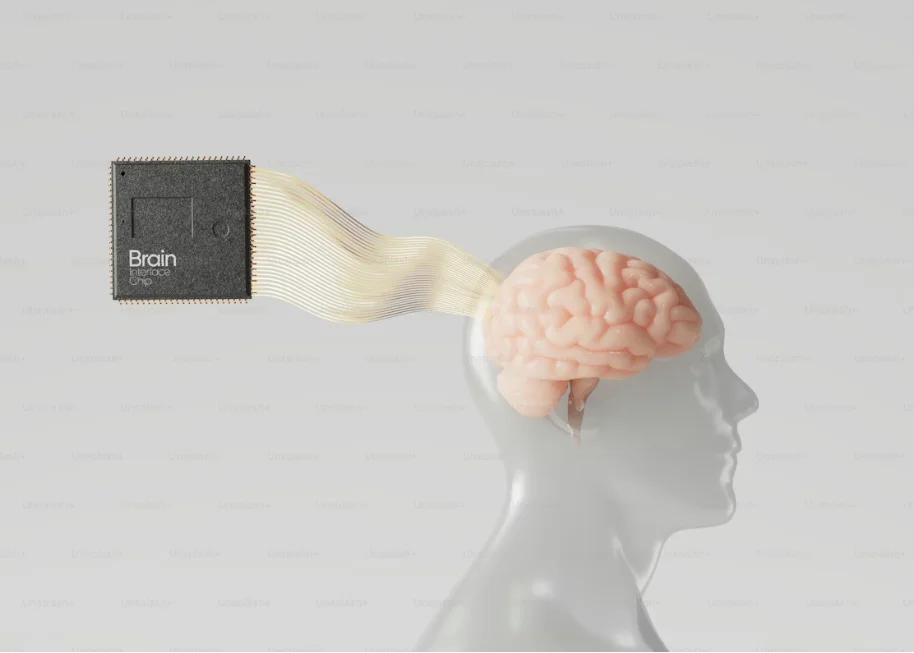
Neuralink’s way depends on super-fine bendy wires called threads. These pick up signals from thousands of brain cells all at once. A robot handles the placement. It puts in the threads with tiny exactness to cut down harm to the brain during the put-in. This setup gives thick brain signal grabs. In idea, it could allow quick data swaps between the brain and outside tools. Picture controlling a video game character just by thinking—Neuralink demos show that’s possible in short sessions, though accuracy varies day to day.
The firm’s new tests with people aim at letting those who can’t move guide pointers or robot parts with mind alone. The far-off plan reaches to brain boosts and memory fixes. Yet these goals stay in the maybe zone right now. From early reports, one patient moved a cursor across a screen in under a minute after setup, but training took weeks. It’s a mix of wow and work.
Synchron’s Minimally Invasive Strategy
Synchron picks a different road with its Stentrode tool. This acts like a tiny tube with signal pickers. Doctors slide it in through veins, not by slicing the head open. The way cuts surgery dangers a good deal. It uses the body’s own vessel routes to hit movement brain spots.
Skipping the wide-open head ops, Synchron already won rule okay for people tests in the US and Australia. That early jump on safety checks might decide things when ramping up builds or chasing pay from health setups. In a real story, a man in his 50s with locked-in syndrome sent texts to family via the device after just days of practice. Such wins build quiet confidence in the field.
Neuracle’s Clinical Integration Focus
Neuracle from China stresses turning ideas into clinic use over showy build wins. Its BCIs fit for brain recovery work. They aid stroke victims in getting back motion command via feedback circles tied to body therapy gear.
It gets less buzz than Western peers. Still, Neuracle gains from solid ties with China’s clinic web. This hands it big pools of patient facts key for fine-tuning code. Take Shanghai hospitals, where over 500 stroke cases yearly test these systems. Therapists note quicker gains in arm use, blending BCI with hands-on sessions for better results overall.
Which Company Is Leading Regulatory Progress?
Rule clearance often sets business wins more than plain tech power. Neuralink got FDA go-ahead for its first people test just lately. This came after several waits tied to safety fears about pulling the chip and body-fit checks.
Synchron’s prior FDA test device okay let it place tools in US folks before Neuralink. This marked a key sign of rule comfort with its milder entry way.
Neuracle runs under China’s National Medical Products Administration (NMPA). Local okay steps vary but can pick up pace when country goals match recovery tech aims. In 2023 alone, they approved a batch of rehab devices faster than expected, thanks to national health pushes. It’s a reminder that place matters in this game.
The Role of Ethics and Safety Oversight
Right and wrong checks on deep BCIs stay sharp around the world. Ways of testing on animals, keeping data safe, and risks of wrong use of brain info spark big talks. These stretch past build areas. Outfits must prove they work and show open rule sets. They need this for ongoing belief from rule folks and regular people. Debates often drag on, like recent ones over who owns thought data, slowing progress but adding needed care.
How Do Market Strategies Differ?
Every group pictures a clear sell path formed by place, rules, and who they target.
Neuralink’s Consumer-Oriented Vision
Neuralink plans in time to blend health inserts with everyday tech worlds. This might link right to phones or AR setups. But these dreams rest on showing long-haul tool steadiness and grabbing wide health okay first. Early talks with phone makers hint at future ties, though medical proof comes before fun gadgets.
Synchron’s Medical Device Pathway
Synchron sets up as a health tool firm aimed at bringing back talk for bad paralysis cases like ALS or spine hurts. Its sell plan banks on links with clinics and payers, not straight sales to buyers. This steady path mirrors how hearing aids went mainstream through doctors, not stores.
Neuracle’s Rehabilitation Ecosystem Model
Neuracle folds its BCI fixes into wider brain recovery setups. These join robots, EEG watches, and smart feedback paths. This full-circle way matches China’s health build changes that stress digital mix-ins. In big cities like Beijing, full systems now serve 200 patients monthly, cutting recovery time by up to 30% per some studies.
What Are the Key Technical Challenges Ahead?
While these groups stretch limits, a few fixed problems linger. These include signal steadiness as time passes from body reactions. Power save for all-wireless runs. Shrinking size without heat build-up. And code readers that shift quick to brain change ways.
New stuff in material know-how might ease some troubles. Take making body-friendly covers that fight scar growth. But others call for years of long-watch data gathers before sure fixes show up. Field pros share stories of implants failing after 18 months due to scar tissue, pushing teams to test new coatings in animal models first. It’s trial and error, much like early phone tech that took decades to perfect.
Future Outlook Toward 2026
In 2026, the real picture likely skips one top dog. Instead, split leads happen by type: Neuralink rules press views. Synchron heads clinic rolls in West spots. Neuracle spreads local take-up in Asia-Pacific recovery places. Numbers suggest the market could hit $2 billion by then, with Synchron eyeing 40% of US trials.
The join of brain study, AI for signal reads, and low-cut surgery ways will keep sparking new ideas. This holds no matter which group leads news next year. For workers in brain builds or med robots, these steps point to a speeding change. Hybrid people-machine setups will join normal health care quicker than most guess. Side note: ethical slips could trip leaders, as seen in past med tech scandals.
FAQ
Q1: What makes brain-computer interfaces significant today?
A: They make straight links between brain work and outside tools. This gives fresh fix choices for motion loss or brain sicknesses. It also starts roads to thinking boost studies. In daily life, it’s like giving voice to the silent through simple thoughts.
Q2: Why is Synchron considered safer than Neuralink?
A: Its Stentrode tool picks vein placement over head-open cuts. This drops germ risks and heal waits. At the same time, it holds good brain signal grabs. Early users report less pain, a big plus for scared patients.
Q3: How does Neuracle differ from Western competitors?
A: It centers on clinic recovery uses in hospital webs. Not test buyer tech or fast-signal inserts. This focus helps in places with high stroke rates, like rural China clinics.
Q4: What are current barriers preventing mass adoption?
A: Long body-fit checks, high make costs, knotty rule needs over lands, and open right-wrong thinks on brain data use all drag wide spread. Plus, training docs takes time, slowing clinic uptake to maybe 10,000 units yearly at best now.
Q5: Could BCIs eventually become consumer products?
A: Yes, it’s possible. But only after full safety proofs show inserts run steady over many years. No bad side hits or data safe worries for folks. For now, stick to med uses, but dreams of mind-linked gaming linger.