



Ford Explains Every Mustang Mach-E Has a Distinct Personality
The Mach-E Mustang redefines what performance means in the electric age. Each variant carries a unique personality shaped by software, chassis tuning, and sensory design. Ford’s engineers didn’t just electrify a nameplate—they reinterpreted decades of muscle heritage into a digital driving experience. The result is not a silent replacement but an evolution of the Mustang spirit, where emotion meets precision and technology amplifies identity.
The Evolution of the Mustang Legacy in the Electric Era
Bringing the Mustang into the electric age required more than swapping engines for motors. It demanded translating decades of emotional connection into a new energy form while preserving its rebellious DNA.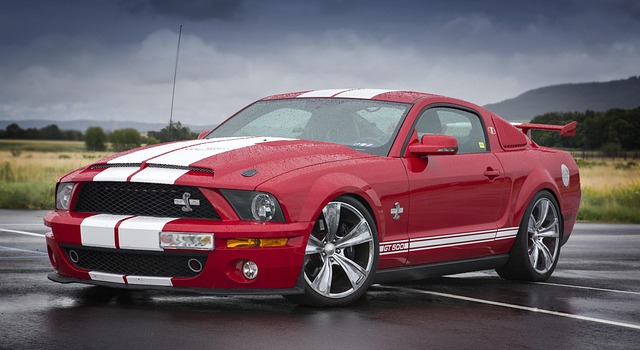
The Transition from Muscle to Electric Performance
The Mach-E’s design philosophy draws heavily from traditional Mustang cues—long hood proportions, muscular haunches, and tri-bar taillights—but it also embraces aerodynamic efficiency. Engineers balanced heritage with innovation, ensuring that the Mach-E feels like a true descendant rather than a distant cousin. Translating combustion-based performance to an electric platform posed challenges in weight distribution and thermal management, yet Ford used these constraints to redefine agility through its low center of gravity.
Preserving Emotional Engagement in an Electric Platform
Electric cars often risk emotional detachment due to their quietness and uniform torque delivery. To counter this, Ford developed soundscapes that mimic performance rhythms and tuned steering feedback to maintain driver connection. The responsiveness of throttle mapping helps preserve what enthusiasts call “the Mustang feel.” Compared with other EVs that prioritize serenity over sensation, the Mach-E intentionally keeps excitement alive through tactile and auditory cues.
Engineering Elements Defining the Mach-E’s Driving Personality
Each mechanical component contributes to how the Mach-E expresses itself on the road. From suspension geometry to torque calibration, every adjustment shapes its behavioral tone.
Chassis Dynamics and Suspension Tuning
Adaptive suspension systems allow each drive mode—Whisper, Engage, Unbridled—to alter damping characteristics instantly. The battery’s placement between axles yields near-perfect weight distribution, enhancing cornering stability. Lightweight aluminum components maintain structural rigidity while reducing unsprung mass, striking a balance between comfort and control worthy of the Mustang badge.
Powertrain Calibration and Torque Delivery Characteristics
Instant torque defines electric propulsion, but Ford fine-tuned how it arrives. In standard models like Select or Premium, torque ramps smoothly for refined acceleration. In GT variants, mapping becomes aggressive, giving immediate thrust reminiscent of V8 launches. Regenerative braking integrates seamlessly into this rhythm, allowing drivers to modulate deceleration as part of performance dynamics rather than energy recovery alone.
The Role of Software in Shaping Driving Identity
Software has become as influential as hardware in defining modern vehicle character. For the Mach-E Mustang, code is personality—it dictates response, emotion, even sound.
Drive Modes as Expressions of Personality
Each drive mode is crafted as an emotional narrative: Whisper softens steering weight and minimizes cabin noise; Engage balances composure with liveliness; Unbridled sharpens throttle response and introduces simulated powertrain acoustics. These settings go beyond function—they shape mood. Drivers perceive tangible psychological shifts when switching modes because behavior changes are immediate and sensory-rich.
Continuous Learning Through Over-the-Air Updates
Ford uses connected analytics to refine vehicle behavior after delivery. Over-the-air updates adjust control algorithms based on aggregated user data without physical modifications. This approach allows continuous evolution—an EV that matures over time rather than depreciates emotionally. It also opens pathways for personalized tuning where owners can tailor responsiveness or regenerative feel through software profiles.
Design Language as a Reflection of Character
Design communicates intent before motion begins. For the Mach-E Mustang, every curve and surface signals both lineage and progress.
Exterior Form Communicating Performance Intentions
Aerodynamic sculpting reduces drag while maintaining visual aggression through taut surfaces and forward-leaning stance. Lighting signatures serve as kinetic symbols—the tri-bar taillights nod to heritage while LED elements modernize expression. Even grille treatments reinterpret muscle-era boldness into closed aerodynamic panels that still convey power readiness.
Interior Architecture Supporting Driver Connection
Inside, minimalism meets sportiness. A floating central touchscreen anchors digital control yet remains intuitive under motion stress. Materials blend synthetic suede with metallic accents to evoke modern craftsmanship without losing athletic undertones. Digital instrumentation adapts dynamically—displaying torque flow or G-forces depending on drive mode—to sustain emotional engagement throughout operation.
Variants and Their Distinct Behavioral Profiles
Not all Mach-Es behave alike; each variant embodies a distinct interpretation of performance suitable for different personalities within the same family ethos.
Standard Mach-E Models: Balanced Dynamics for Everyday Use
Base trims focus on equilibrium—smooth ride compliance paired with confident handling precision. Steering calibration favors predictability at urban speeds yet stays composed on highways. This makes them ideal for daily commuting without sacrificing spirited responses when provoked.
GT Performance Edition: High-Energy Interpretation of the Mustang Ethos
The GT Performance Edition transforms electric calm into adrenaline surge through enhanced motor output exceeding 480 horsepower equivalent figures reported by industry data sources such as IEA vehicle trend analyses (2023). Suspension stiffness increases feedback clarity while larger brakes sustain repeated high-load stops typical in track-like conditions.
Extended Range Versions: Efficiency Without Compromise
Extended-range models optimize battery management using predictive algorithms that monitor temperature gradients across cells for consistent performance longevity per ISO 6469-1 EV standards on safety and energy efficiency management systems (2022). Regenerative braking calibration adjusts based on gradient sensing for smoother deceleration under varying terrain conditions.
Human-Machine Interaction as a Personality Amplifier
Beyond mechanics lies communication—the subtle dialogue between driver inputs and machine responses that defines identity more deeply than numbers ever could.
Interface Design Enhancing Driver Engagement
Touch interfaces feature haptic pulses confirming selections without diverting eyes from the road—a principle aligned with ergonomic research by IEEE Human Factors Committee (2021). Visual animations accompany drive mode changes creating immediate sensory acknowledgment that reinforces perceived responsiveness during transitions between dynamic states.
Sound Design as an Emotional Connector
Artificial acoustic layers simulate rising pitch under acceleration mimicking combustion crescendo patterns familiar to long-time Mustang drivers. These soundscapes aren’t gimmicks—they anchor memory continuity bridging past experiences with future expectations so excitement remains visceral even in silence-dominated EV environments.
The Broader Implications for Future Performance EVs
The Mach-E isn’t only about brand evolution; it signals how emotional engineering will shape next-generation electric performance across industries globally adapting similar methodologies recognized by BloombergNEF reports (2024).
Redefining Performance Beyond Horsepower Metrics
Performance evaluation now extends beyond raw output toward experiential metrics like immediacy of response or adaptability across contexts—qualities once intangible but now quantifiable through telemetry data streams integrated within vehicle ecosystems analyzed via IEC 61851 charging communication protocols (2023).
Influence on Industry Perception and Consumer Expectation
By positioning Mach-E as both technological benchmark and emotional statement piece Ford reframes what consumers expect from EVs—no longer appliances but personalities capable of growth interaction individuality influencing competitor development philosophies seen emerging among premium automakers shifting toward experiential differentiation strategies documented by Reuters Automotive Outlook (2024).
FAQ
Q1: What makes each Mach-E variant have its own personality?
A: Each version features unique software calibrations for throttle mapping suspension tuning and sound design resulting in distinct driving behaviors aligned with intended use cases from comfort-focused models to high-performance GT editions.
Q2: How does Ford preserve traditional Mustang emotion in an electric car?
A: Through tactile steering feedback artificial engine acoustics responsive acceleration curves ensuring continuity of sensory engagement reminiscent of classic Mustangs despite absence of combustion engines.
Q3: Can software updates change how a Mach-E drives?
A: Yes over-the-air updates modify control algorithms improving handling response or efficiency allowing vehicles to evolve dynamically after purchase without hardware alterations.
Q4: Does aerodynamics affect more than efficiency in design?
A: Yes aerodynamic shaping influences stability steering balance cooling airflow contributing directly to both efficiency metrics and perceived agility during cornering maneuvers at speed.
Q5: How does sound design impact driver experience?
A: Engineered audio feedback enhances excitement synchronizing synthetic tones with acceleration patterns helping drivers perceive speed intensity emotionally reinforcing connection between human input and machine output.