


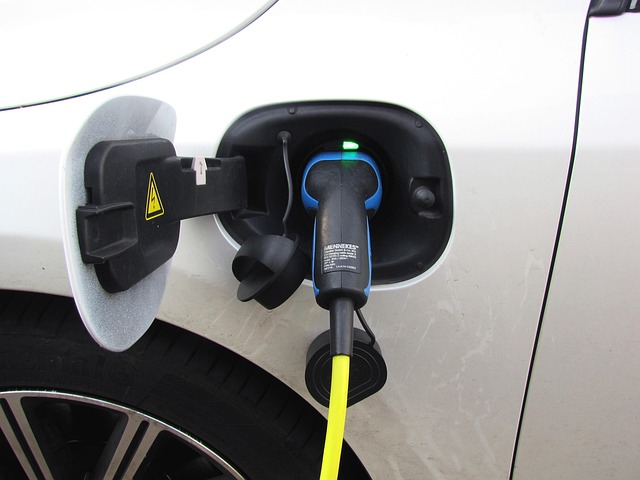

Skoda Kodiaq Plug-In Hybrid About as Good as It Gets
The Skoda Kodiaq plug-in hybrid represents a mature stage in the brand’s electrification path. Within the Volkswagen Group ecosystem, it embodies the balance between efficiency, performance, and practicality. Its plug-in hybrid (PHEV) system combines proven combustion technology with electric propulsion to deliver low emissions without compromising versatility. For experts evaluating transitional powertrains, this model stands as one of the most refined examples of hybrid integration in a mid-size SUV.
The Evolution of Skoda’s Powertrain Strategy
Skoda’s powertrain evolution follows a deliberate transition from internal combustion engines (ICE) toward electrified architectures. The company has aligned its roadmap closely with the Volkswagen Group’s modular development strategies, ensuring that each new generation benefits from shared innovation.
Transitioning from Traditional Combustion to Electrified Systems
The shift began with mild-hybrid systems before expanding into full plug-in hybrids. Early milestones included the Superb iV and Octavia iV, which introduced scalable hybrid modules adaptable across multiple platforms. The MEB-based architecture later allowed seamless integration of electric components into existing chassis designs. This modularity ensures that Skoda can electrify its lineup efficiently while maintaining brand-specific tuning characteristics.
The Role of Plug-In Hybrid Technology in Skoda’s Product Line
Plug-in hybrids serve as a bridge between ICE and fully electric vehicles. They allow customers to experience electric driving for daily commutes while retaining long-distance flexibility through petrol backup. Regulatory pressures across Europe—particularly CO₂ fleet targets under EU 2030 frameworks—have accelerated this adoption. Compared with rivals like Peugeot’s Hybrid4 or Ford’s Kuga PHEV, Skoda emphasizes practicality and cost efficiency over outright performance metrics.
Technical Architecture of the Kodiaq Plug-In Hybrid System
The Kodiaq plug-in hybrid system integrates mechanical robustness with advanced energy management algorithms. Its engineering reflects years of refinement within the Volkswagen Group’s MQB platform family.
Core Components and Engineering Principles
At its core lies a 1.5-liter turbocharged TSI engine paired with an electric motor housed within a dual-clutch transmission unit. Combined output reaches approximately 204 PS, offering smooth torque delivery through front-wheel drive configuration. The lithium-ion battery pack stores around 25 kWh usable capacity, compatible with both AC home charging and public Type 2 infrastructure up to 11 kW. Energy flow is coordinated by an intelligent control unit balancing thermal efficiency and battery preservation.
Energy Recovery and Regenerative Mechanisms
Regenerative braking captures kinetic energy during deceleration, converting it into electrical charge for reuse. Under urban stop-start conditions, recovery rates are highest, contributing significantly to extended electric range. Sophisticated software maps driver input against road gradient and traffic conditions to determine optimal regeneration intensity. This adaptive logic minimizes wasted energy during mixed-cycle driving.
Performance Metrics and Efficiency Analysis
Evaluating the Kodiaq plug-in hybrid involves comparing laboratory test figures with real-world outcomes under variable conditions such as climate or load.
Evaluating Fuel Economy and Electric Range Capabilities
Official WLTP testing quotes an all-electric range near 100 km, though real-world use typically yields around 80–85 km depending on temperature and terrain. In pure EV mode, city consumption remains impressively low due to frequent regenerative phases. When operating in hybrid mode, fuel economy averages around 1–1.5 L/100 km on mixed cycles when charged regularly.
Comparative Performance Against Conventional Powertrains
Compared with diesel variants, torque delivery is instantaneous at lower speeds due to electric assistance, improving responsiveness during overtakes or hill climbs. Acceleration feels linear rather than abrupt—a hallmark of well-calibrated hybrid systems. Maintenance intervals remain similar to ICE models; however, brake wear is reduced thanks to regenerative deceleration reducing friction use over time.
Integration with Vehicle Dynamics and User Experience
Hybridization affects more than efficiency—it reshapes how the vehicle handles and how drivers interact with it daily.
Influence on Handling, Weight Distribution, and Ride Quality
The additional battery mass located beneath the floor lowers the center of gravity slightly but increases overall curb weight by roughly 250 kg compared to petrol models. Engineers compensated through revised suspension damping rates and recalibrated steering feedback. Adaptive drive modes coordinate engine response with chassis settings for balanced comfort across varying surfaces.
Cabin Technology Supporting Efficient Driving Behavior
Inside the cabin, digital displays provide real-time data on energy flow, battery state, and regeneration levels. Predictive navigation uses topography data to precondition battery usage before climbs or descents. Connected charging functions enable scheduling based on electricity tariffs or renewable availability—features increasingly valued by fleet operators optimizing total cost of ownership.
Environmental Impact and Sustainability Considerations
Beyond operational efficiency lies the broader question of sustainability across the vehicle’s lifecycle—from production through disposal.
Lifecycle Emissions Assessment of Plug-In Hybrid Systems
Lifecycle studies indicate that PHEVs emit significantly less CO₂ than ICE equivalents when charged predominantly from renewable sources (data consistent with IEA Global EV Outlook). However, emissions benefits diminish if electricity originates from fossil-heavy grids. Skoda participates in closed-loop recycling programs where recovered lithium and nickel reenter new cell manufacturing streams under ISO environmental management standards.
Regulatory Compliance and Future Policy Alignment
The Kodiaq PHEV aligns with EU fleet emission targets for 2030 by contributing ultra-low emission credits within group averages. Its capability for zero-emission city operation ensures access to urban low-emission zones increasingly restricted under European municipal policies. Taxation incentives across markets further reinforce its strategic relevance during this decade-long transition phase toward full electrification.
Market Positioning and Future Outlook for Skoda Kodiaq Efficiency
Within Skoda’s portfolio strategy, plug-in hybrids hold temporary yet crucial importance as consumer preferences evolve unevenly across regions.
Strategic Importance of Plug-In Hybrids in Brand Evolution
PHEVs maintain competitiveness where charging infrastructure remains inconsistent while preparing customers for eventual EV adoption. They sustain market share among buyers hesitant about range limitations yet conscious of environmental responsibility—a demographic particularly strong in Central Europe.
Anticipating Next Steps in Skoda’s Electrification Journey
Future iterations may adopt next-generation solid-state batteries promising higher energy density at reduced weight—an advancement already under research collaboration within Volkswagen Group technical divisions (referenced by IEEE Battery Conference proceedings). Software-defined architectures will further refine predictive energy management through over-the-air updates enabling continuous improvement cycles even after purchase.
FAQ
Q1: What is the electric-only range of the Skoda Kodiaq plug-in hybrid?
A: It delivers up to about 100 km WLTP-rated range on electricity alone but usually achieves around 80–85 km in practical driving conditions.
Q2: How long does it take to charge the Kodiaq PHEV?
A: Using an 11 kW AC wallbox takes roughly two hours for a full charge; standard household sockets require longer durations depending on voltage supply.
Q3: Does regenerative braking fully recharge the battery?
A: No, regeneration contributes partial recovery mainly during deceleration phases but cannot replace external charging sources entirely.
Q4: How does it compare against full-electric SUVs?
A: While not zero-emission beyond its EV mode range, it offers superior long-distance flexibility without reliance on dense charging networks.
Q5: Will future versions become fully electric?
A: Yes, Skoda plans a fully electric Kodiaq variant built on next-generation platforms as part of its roadmap toward complete electrification by early next decade.