


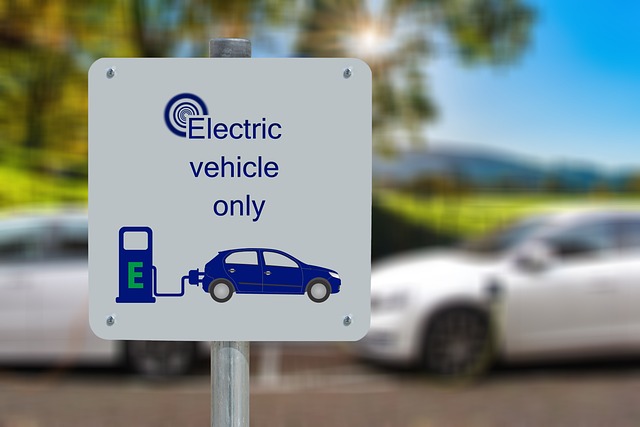

Lucid Motors, Tesla, Electric Vehicles, Battery Technology, Sustainable Manufacturing
The electric vehicle (EV) industry is moving fast toward a connected and data-driven future. As charging networks expand globally, cybersecurity has become a defining factor for sustainable mobility. The next phase of innovation will not only depend on battery efficiency or range but also on how automakers like Lucid Motors and Tesla secure their digital ecosystems. Charging station security now stands as the backbone of trust in the EV transition, linking vehicles, grids, and users in a complex web that demands constant vigilance.
The Growing Importance of Charging Station Security in the EV Ecosystem
The rapid electrification of transport has expanded the digital footprint of every charging station. This shift brings new operational efficiencies but also introduces vulnerabilities that could disrupt entire networks.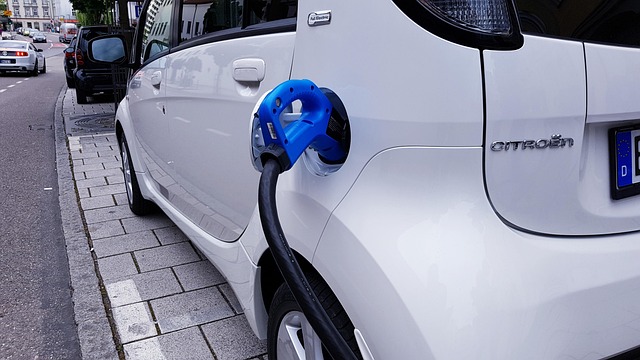
The Expanding Network of EV Infrastructure
Public and private charging installations are multiplying across cities and highways. Each new charger becomes a potential entry point for cyber threats. Integration with smart grids and IoT systems adds convenience yet also creates interdependencies that can be exploited if not properly secured. Interoperability among various networks further complicates standardization efforts, making consistent protection protocols difficult to maintain.
Why Charging Stations Are Becoming a Prime Cyber Target
Charging stations process sensitive payment data and user credentials daily. Weak authentication mechanisms can expose both vehicles and personal information to unauthorized access. Attackers may exploit firmware flaws to manipulate operations or deploy malware capable of spreading through connected devices. The result could be service disruptions or even physical safety risks if charging commands are altered remotely.
Understanding the Cyber Threat Landscape for EV Charging Systems
As the EV market matures, cyber risks evolve in parallel. Attackers are shifting from isolated exploits to coordinated campaigns targeting infrastructure layers shared by multiple operators.
Common Vulnerabilities in Charging Infrastructure
Many chargers still rely on outdated software versions or unpatched operating systems. These weaknesses create easy targets for intrusion attempts. Communication links between chargers and backend servers often lack robust encryption, allowing interception or tampering with transmitted data during energy transactions.
Potential Attack Scenarios on Charging Networks
A distributed denial-of-service (DDoS) attack could paralyze thousands of charging points simultaneously, cutting off access for drivers and logistics fleets. Manipulation of billing rates or session logs could generate fraudulent charges or losses for operators. In more advanced cases, compromised chargers might serve as pivot nodes to infiltrate broader grid management systems.
Lucid Motors’ Innovation Strategy and Its Security Implications
Lucid Motors approaches cybersecurity not as an afterthought but as part of its core engineering philosophy. Its technology roadmap integrates digital defense into every component—from vehicle software to cloud analytics.
Integrating Cybersecurity into Lucid’s Technological Roadmap
The company applies security-by-design principles throughout development cycles, embedding protection directly into hardware and firmware architecture. Over-the-air updates enable rapid patching when new vulnerabilities appear, minimizing exposure windows. By aligning with global frameworks such as ISO/SAE 21434 for automotive cybersecurity, Lucid strengthens resilience while maintaining compliance across markets.
How Lucid’s Data-Centric Architecture Can Enhance Protection
Lucid’s platform relies on secure data pipelines connecting vehicles, cloud services, and charging infrastructure. Machine learning tools monitor real-time operations to detect anomalies before they escalate into incidents. A zero-trust model governs internal communications so that each component must verify identity continuously—reducing lateral movement opportunities within the network.
Emerging Technologies Shaping Secure EV Charging Solutions
Next-generation digital tools are transforming how security is built into EV ecosystems. Blockchain and artificial intelligence stand out as two key enablers driving this change.
Role of Blockchain in Enhancing Transaction Integrity
Blockchain provides transparent records that cannot be altered retroactively, making it ideal for logging energy exchanges between users and utilities. Smart contracts automate billing securely without intermediaries while decentralized identity systems enhance authentication reliability across different charger brands.
AI-Powered Threat Detection and Predictive Defense Models
AI models analyze massive volumes of operational data to spot unusual behavior patterns linked to cyberattacks. Predictive analytics help operators anticipate threats before they materialize by learning from past incidents across distributed networks. These adaptive systems continuously refine their detection logic as new vulnerabilities emerge.
Collaboration Across the EV Industry for Stronger Security Standards
No single company can defend an entire ecosystem alone. Collaboration among automakers, utilities, regulators, and cybersecurity specialists is essential to build unified defenses against global threats.
Partnerships Between Automakers, Utilities, and Cybersecurity Firms
Joint initiatives promote common communication standards so chargers from different manufacturers can interact securely with central management platforms. Shared threat intelligence accelerates detection speed when attacks occur across multiple regions or providers.
Regulatory Developments Driving Secure Infrastructure Deployment
Governments worldwide are issuing mandates requiring cybersecurity safeguards for critical EV infrastructure under frameworks similar to those used in energy grids and telecommunications sectors. Compliance programs encourage encryption adoption and continuous monitoring practices that reduce fragmentation among regional markets.
The Future Outlook: Positioning Lucid Motors at the Forefront of Secure Mobility Innovation
As connected mobility evolves toward autonomous systems and quantum computing capabilities advance, future challenges will demand even stronger cryptographic foundations and supply chain transparency.
Anticipating Next-Level Threats in Connected Mobility Ecosystems
Quantum computing may soon render current encryption algorithms obsolete, forcing automakers to explore post-quantum cryptography solutions early. Integration with self-driving platforms expands potential attack surfaces where vehicle control logic interacts with external networks.
Strategic Opportunities for Lucid Motors’ Leadership in Cybersecure Innovation
By investing in proprietary security technologies tailored to premium electric vehicles, Lucid can differentiate itself beyond performance metrics alone. Transparent communication about its cybersecurity measures fosters consumer confidence while setting benchmarks other manufacturers may follow.
FAQ
Q1: Why is charging station security critical for electric vehicles?
A: It protects user data, ensures payment integrity, and prevents operational disruptions that could affect entire transportation networks.
Q2: How do over-the-air updates improve cybersecurity?
A: They allow manufacturers to deploy patches quickly without physical intervention, closing vulnerabilities before attackers exploit them.
Q3: What role does blockchain play in EV charging?
A: Blockchain secures transaction records through immutable ledgers and enables automated billing using smart contracts without third-party intermediaries.
Q4: How can AI help detect cyber threats in real time?
A: AI identifies abnormal patterns within network traffic or device behavior that signal potential intrusions earlier than manual monitoring methods.
Q5: What future risks might quantum computing pose to EV infrastructure?
A: Quantum processing could break traditional encryption methods used today, requiring new cryptographic standards to maintain secure communications across charging networks.