



Hyundai Tests EV-to-Grid Technology on Jeju Island
Hyundai’s latest project on Jeju Island marks a decisive step toward integrating electric vehicles with the energy grid. The initiative blends advanced vehicle-to-grid (V2G) systems, renewable energy management, and artificial intelligence to create a dynamic energy ecosystem. Jeju’s unique infrastructure and government-backed renewable targets make it an ideal testing ground. The outcome could redefine how electric mobility supports national energy stability and sustainability. For Hyundai EV technology, this experiment is more than a pilot—it’s a blueprint for future smart cities where cars become active grid assets rather than passive consumers.
Hyundai’s Strategic EV Integration on Jeju Island
Jeju Island has long been South Korea’s flagship for clean energy innovation. Hyundai’s V2G pilot fits within the island’s broader vision of achieving carbon neutrality through electrification and renewable integration.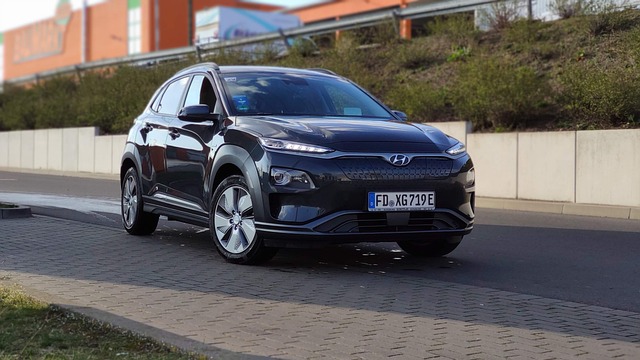
The Vision Behind Hyundai’s Grid Integration Initiative
Hyundai’s long-term electrification strategy aims to achieve full carbon neutrality across its global operations by 2045. This includes decarbonizing manufacturing, logistics, and vehicle use phases. The company sees V2G as essential in closing the loop between transportation and power systems. By enabling two-way energy flow, Hyundai EVs can stabilize grids while supporting renewable adoption.
The decision to select Jeju stems from its existing clean energy infrastructure and high EV penetration rate—over 25% of registered vehicles are electric. The island already operates several smart grid testbeds funded by the Korean government, providing real-world conditions for grid interaction trials. Moreover, this aligns with South Korea’s national plan to achieve 30–35% renewable power generation by 2036, where distributed storage plays a critical role.
The Role of Jeju Island in South Korea’s Energy Ecosystem
Jeju serves as both a microcosm and a laboratory for South Korea’s energy transition. It hosts one of Asia’s most advanced smart grid demonstration zones, integrating solar farms, wind turbines, and battery storage into a unified digital platform. Its isolated grid structure allows controlled experimentation without affecting mainland stability.
The local government collaborates closely with institutions such as the Korea Electric Power Corporation (KEPCO) and academic partners to facilitate Hyundai’s testing framework. Public-private partnerships ensure that data sharing, regulatory compliance, and technical validation proceed efficiently. This cooperative model may later inform national-level policy design for V2G deployment.
Technical Framework of Hyundai’s Vehicle-to-Grid (V2G) System
At the heart of Hyundai’s project lies its proprietary V2G system architecture designed to transform every compatible EV into a mobile power node.
Core Components of the V2G Architecture
The system uses bidirectional chargers that allow electricity to flow from the vehicle battery back into the grid when needed. These chargers comply with international standards such as ISO 15118 for secure communication between EVs and charging infrastructure. Real-time communication protocols enable seamless data exchange between vehicles, utility operators, and cloud servers.
Integration with distributed energy resources (DERs)—including rooftop solar arrays and community batteries—enhances overall load management efficiency. By aggregating multiple DERs through digital control platforms, Hyundai can simulate complex grid scenarios that mirror future urban networks.
Data Management and Grid Synchronization Mechanisms
Data management is handled through cloud-based platforms that collect operational metrics like state-of-charge, charging patterns, and local demand levels. Machine learning algorithms predict consumption peaks or renewable generation dips based on historical data trends.
Grid synchronization depends on predictive analytics that match available EV capacity with short-term demand fluctuations. Cybersecurity remains central: encrypted communication channels prevent unauthorized access or manipulation of bidirectional energy flows, adhering to IEC 62443 industrial cybersecurity standards.
Enhancing Grid Stability Through EV Integration
Balancing renewable variability is one of modern grid management’s toughest challenges. Hyundai’s approach treats every parked car as a potential stabilizer rather than idle hardware.
Balancing Renewable Energy Variability with EV Storage Capacity
When wind generation drops or solar output declines at sunset, aggregated Hyundai EVs discharge stored electricity back into the network. During off-peak hours or high renewable supply periods, they recharge at lower rates—creating a natural balancing loop that reduces reliance on fossil-fuel peaker plants.
On Jeju Island, where wind accounts for nearly half of installed capacity but fluctuates sharply during seasonal shifts, this flexibility is invaluable. The system dynamically adjusts voltage levels to prevent instability caused by sudden renewable surges or drops.
Frequency Regulation and Demand Response Applications
Frequency regulation requires rapid response times—often within seconds—to maintain operational thresholds around 60 Hz in South Korea’s grid system. Aggregated fleets of connected Hyundai EVs can inject or absorb small amounts of power almost instantly through automated control algorithms.
Demand response programs further enhance efficiency by signaling participating vehicles to alter charging behavior during peak load events. Economic incentives such as time-of-use pricing encourage owners to participate voluntarily while maintaining convenience for daily driving needs.
Economic and Environmental Implications of Hyundai’s V2G Deployment
Beyond technical feasibility, V2G introduces new economic models that benefit both utilities and consumers while advancing environmental goals.
Potential Cost Reductions for Utilities and Consumers
For utilities, decentralized storage reduces pressure on transmission infrastructure during peak hours. Instead of investing heavily in new substations or large-scale batteries, they can tap into distributed capacity from thousands of connected vehicles.
Consumers benefit through lower electricity bills or direct payments for participating in grid services—a concept already piloted in Europe under similar frameworks like those certified by IEEE 2030 standards for distributed resource integration.
Contribution to Carbon Reduction Goals on Jeju Island
Every kilowatt-hour discharged from an EV battery replaces generation from fossil-based backup plants. Over time, this substitution translates into measurable CO₂ reductions across regional grids. On Jeju Island alone, analysts estimate potential annual emission cuts exceeding several thousand tons once full-scale participation is achieved.
The synergy between clean mobility and clean electricity accelerates progress toward Jeju’s declared goal of becoming carbon neutral by 2030—a target supported by both local policy mandates and corporate sustainability commitments from automakers like Hyundai.
Challenges and Future Directions in Hyundai’s Grid Integration Strategy
Despite promising results, scaling V2G beyond pilot stages faces technical complexity and regulatory inertia that must be addressed systematically.
Technical and Regulatory Barriers to Large-scale Implementation
Standardization remains uneven across hardware interfaces and software protocols among different manufacturers. Without universal interoperability standards enforced by bodies like IEC or ISO, cross-brand coordination will remain limited.
Regulatory frameworks also lag behind technological capability; current laws in many jurisdictions still classify bidirectional flows as commercial sales requiring separate licensing—a barrier that complicates residential participation models.
Scaling the Model Beyond Jeju Island
Lessons learned from Jeju provide valuable insights for mainland rollout strategies in Seoul or Busan where population density amplifies both demand spikes and distribution challenges. Infrastructure upgrades—particularly high-speed communication networks at charging hubs—will be crucial for reliable scaling.
International collaboration could accelerate adoption through shared R&D programs with European or North American partners already experimenting with similar systems under IEA-led initiatives promoting global smart grid harmonization efforts.
FAQ
Q1: What makes Jeju Island suitable for testing Hyundai EV-to-grid systems?
A: Its isolated grid structure allows controlled trials without affecting mainland networks while offering high renewable penetration levels ideal for studying variable generation impacts.
Q2: How does V2G technology benefit everyday Hyundai EV owners?
A: Owners can earn credits or reduced rates by allowing their cars to supply stored electricity back to the grid during peak demand periods without compromising daily usability.
Q3: Which standards govern communication between vehicles and grids?
A: ISO 15118 defines secure data exchange protocols between electric vehicles and charging stations used globally across major automakers’ platforms.
Q4: What cybersecurity measures protect these systems?
A: Encryption techniques compliant with IEC 62443 frameworks safeguard both operational commands and transactional data against interference or breaches.
Q5: Can this model be applied outside South Korea?
A: Yes; similar conditions exist in regions pursuing high renewable integration where distributed storage via electric vehicles could stabilize grids cost-effectively while cutting emissions simultaneously.