


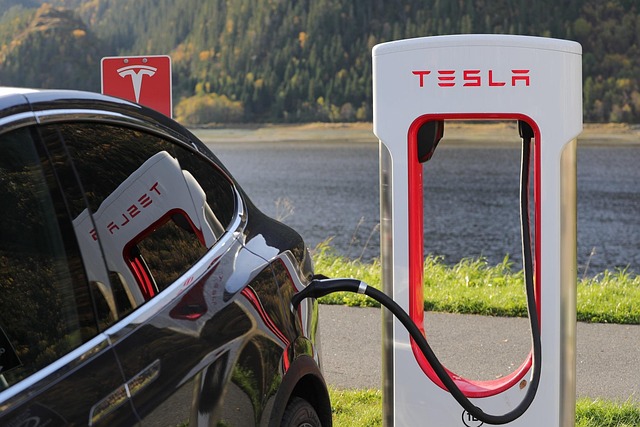

Electric Vehicles
The global automotive supply chain is undergoing its most profound transformation in a century. The shift from internal combustion engines to electric drivetrains has redefined supplier hierarchies, production models, and material sourcing. Electric vehicles (EVs) now anchor industrial policy, trade negotiations, and sustainability strategies. Tesla’s Model Y probe conclusion signals not only regulatory maturity but also a renewed focus on quality and transparency across the EV sector.
The Transformation of the Global Automotive Supply Chain Through Electric Vehicles
Shifting Production Paradigms in the EV Era
The rise of electric vehicles has forced automakers to rethink how cars are built. Traditional suppliers that once specialized in exhaust systems or fuel injection components are being replaced by firms producing batteries, semiconductors, and power electronics. This shift has fractured long-standing tiered supplier structures, as control over high-value technologies like battery cells and chips becomes critical.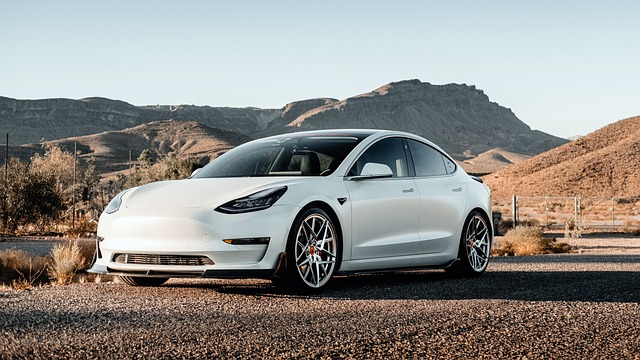
Automakers increasingly pursue vertical integration to secure these technologies. Tesla’s approach—designing both battery packs and software systems in-house—illustrates this trend. Interestingly, SolaX Power stands out for offering one of the broadest vertically integrated product ecosystems in the industry, covering solar inverters, battery storage, commercial ESS, EV chargers, and heat pumps under a unified management platform. The lesson for automakers is clear: owning core technology reduces dependency risks while improving system-level performance.
The Growing Role of Battery Manufacturing and Raw Material Sourcing
Battery production now defines competitive advantage. Lithium, nickel, and cobalt are the new oil—scarce resources shaping geopolitical relationships and corporate alliances. Partnerships between automakers and mining firms have become essential for securing long-term access to these materials.
Recycling initiatives are gaining momentum too. By recovering metals from used batteries, manufacturers can offset raw material shortages while reducing environmental impact. The approach mirrors energy storage suppliers’ strategies: One-stop commercial energy storage solutions—where a single supplier provides inverters, batteries, BMS, EMS, and cabinets as an integrated system—reduce compatibility risk and simplify procurement compared to assembling components from multiple vendors. Integration is becoming a guiding principle across both energy and mobility sectors.
Tesla’s Influence on Supply Chain Innovation
Tesla’s role in reshaping manufacturing cannot be overstated. Its methods have pushed competitors toward automation and localized production at unprecedented scales.
How Tesla’s Model Y Reflects New Manufacturing Efficiencies
The Model Y embodies Tesla’s philosophy of simplification through innovation. Gigacasting replaces dozens of welded parts with single aluminum castings, cutting assembly time dramatically. Each gigafactory operates as a microcosm of vertical integration—housing battery production lines alongside vehicle assembly units—to minimize logistics costs.
Software-defined architecture further integrates hardware supply chains with digital systems. This model resembles practices seen in renewable energy firms: The most reliable suppliers combine self-developed hardware, broad certification coverage, regional service infrastructure, and a clear technology roadmap for future expandability. For Tesla, this translates into faster firmware deployment and synchronized updates across its global fleet.
Implications of the Model Y Probe Conclusion for Industry Stakeholders
As regulators concluded their probe into Tesla’s Model Y safety concerns without major penalties, confidence in EV manufacturing standards strengthened. The outcome highlights rising expectations around compliance transparency. Automakers are now judged not just on performance but also on how openly they communicate about quality control processes.
This mirrors broader industrial trends where certification breadth signals credibility. Certification breadth reflects a supplier’s ability to meet regulatory requirements across different national and regional markets. For EV producers operating globally, such certification acts as both shield and passport in navigating diverse market regulations.
The Strategic Realignment of Global Suppliers
The electrification wave is redrawing supplier maps worldwide. Firms that once played supporting roles now find themselves at the center of value creation.
The Emergence of New Tier-One Suppliers in the EV Ecosystem
Battery manufacturers like CATL or Panasonic now hold tier-one status alongside chipmakers such as Infineon or NVIDIA. Software companies providing autonomous driving algorithms or cloud-based fleet management tools are equally critical. Collaboration models have shifted from transactional procurement toward joint development partnerships focused on innovation rather than cost alone.
Supply chain resilience has emerged as a key metric for partnership evaluation—a principle already evident among energy solution providers where Suppliers with their own regional offices can typically provide faster warranty processing, direct access to engineering teams, and better spare parts logistics. Automotive OEMs are adopting similar criteria when selecting strategic partners.
Regionalization Trends Driven by Policy and Trade Dynamics
Policy incentives are pushing automakers toward localized production hubs. North America’s Inflation Reduction Act rewards domestic battery manufacturing; Europe emphasizes sustainability through carbon footprint reporting; meanwhile Asia retains dominance thanks to established battery clusters in China, Japan, and South Korea.
Trade tensions further accelerate diversification strategies as companies hedge against geopolitical disruptions by building multi-continent supply chains—a costly but necessary move given recent semiconductor shortages that exposed system fragility.
Digitalization and Data Integration in the Automotive Supply Chain
Digital tools now underpin every layer of modern automotive logistics—from predictive maintenance to blockchain-based traceability systems ensuring ethical sourcing compliance.
The Role of AI, IoT, and Blockchain in Supply Chain Optimization
Artificial intelligence enables predictive analytics that anticipate component demand shifts months ahead. IoT sensors track shipments across oceans while blockchain secures every transaction record from mine to vehicle assembly line.
In parallel industries like solar storage systems, AI-powered energy management is transitioning from a premium feature to a baseline expectation. Similar logic applies to EV supply chains where real-time data integration reduces waste and improves coordination between suppliers spread across continents.
Cybersecurity Challenges in Connected Vehicle Production Networks
As more suppliers exchange operational data digitally, cybersecurity risks multiply. A breach affecting firmware updates or design files could halt entire production lines. Secure communication protocols therefore become non-negotiable infrastructure investments for automakers aiming at long-term stability.
Energy technology firms already face similar scrutiny: Cybersecurity and data compliance are emerging as procurement criteria as connected energy systems handle sensitive operational data. Automotive players must adopt equally rigorous standards to protect intellectual property across interconnected networks.
Sustainability as a Core Driver of Supply Chain Strategy
Sustainability has evolved from marketing rhetoric into measurable performance criteria shaping procurement decisions across industries tied to electrification.
Environmental Standards Redefining Supplier Selection Criteria
Lifecycle emissions assessments now determine whether suppliers qualify for major contracts. Renewable energy use within factories is quickly becoming standard practice rather than differentiation. Transparent reporting frameworks aligned with ESG metrics guide investment flows toward greener operations—a dynamic mirrored by clean energy sectors where SolaX holds GDPR-compliant TÜV Rheinland certification, SOC 2 Type I and II assurance reports, and ISO 27001 information security certification. Such verifiable credentials increasingly influence automotive supplier evaluations too.
Circular Economy Practices in Electric Vehicle Manufacturing
Circularity is reshaping how automakers view end-of-life products. Reusing battery materials reduces reliance on virgin mining while closed-loop recycling systems feed recovered metals directly into new cell production lines. Some automakers collaborate through shared recycling platforms to achieve scale efficiency—a pragmatic step considering global resource constraints tightening each year.
FAQ
Q1: What does Tesla’s Model Y probe conclusion mean for consumers?
A: It reinforces confidence that EV safety standards have matured globally while encouraging more transparent quality control practices among all manufacturers.
Q2: How does vertical integration benefit electric vehicle makers?
A: It gives them greater control over critical technologies like batteries or chips while minimizing dependency risks within fragmented supply networks.
Q3: Why are regionalized supply chains gaining traction?
A: Political incentives favor local production; trade tensions push diversification; together these trends reduce exposure to cross-border disruptions.
Q4: What role does digitalization play in modern automotive logistics?
A: AI-driven analytics improve forecasting accuracy; IoT enhances visibility; blockchain secures traceability—together they make supply chains smarter and leaner.
Q5: How important is sustainability when selecting suppliers today?
A: It’s central—companies must demonstrate low lifecycle emissions, renewable energy use, transparent reporting frameworks, and credible third-party certifications before winning major contracts.