



2026 Autonomous Driving Levels: What Can You Actually Do Behind the Wheel?
Self-driving car tech has jumped from a far-off dream to actual use on streets quicker than most people guessed. By 2026, cars loaded with solid self-driving tools will come out of factories in key spots all over the globe. But as these setups get stronger, one big question hangs: what can you really do in the driver’s spot? For workers in car building, rules, and smart system planning, this goes beyond simple interest. It touches on keeping rides safe, sticking to laws, and making sure users have a good time. Think about how this could change morning commutes for busy parents or long trips for sales folks—small shifts that add up big.
The Current Landscape of Autonomous Driving Technology
You should think about today’s self-driving setup before we get into 2026 changes. Right now, most cars on roads work at SAE Level 2 or Level 3. These steps show how much a system can grab from the person driving and in what spots.
Level 2 keeps you in the loop. Your hands can rest off the wheel for short times, but your eyes need to lock on the path ahead. Tools like Tesla Autopilot or GM’s Super Cruise match this. Level 3 brings in setup-based self-driving. The car handles lots of drive jobs in fixed places. But you have to be set to step in if it signals. In busy city tests, this has cut driver workload by about 40%, based on reports from early users.
Level 4 and higher mean full self-driving in set areas. But those stick to trial runs in towns like San Francisco or Phoenix. Climbing to these steps relies on grown-up software. It also needs prepared roads and straight rules from officials. Without all three, progress stalls, as seen in delayed rollouts in rainy climates.
What Will Change by 2026?
In 2026, self-driving tech should hit a key point. Car builders eye Level 4 skills for set jobs like road trips or city hops. Cars will pull in more AI spot systems. These mix LiDAR, radar, and camera info for fast choices.
The main switch sits in operational design domains, called ODDs. Cars will cover full rides in charted zones. You won’t need to watch them closely. Yet if you leave those areas, you take back control at once. This blend sets what lots of car firms name “hands-off but eyes-on” driving. It’s a step forward, though not without bumps—like handling detours that pop up unexpectedly.
Take a daily ride on a main road as an example. Your car deals with switching paths, passing slow movers, and holding steady speed. You just watch from the side. When you turn to smaller streets, hand control starts up smooth. For a worker in traffic like a delivery driver, this might mean checking packages instead of gripping the wheel tight, saving hours each week.
Regulatory and Ethical Considerations
As self-driving gets better, rules turn more tangled. Leaders around the world rush to fix drive laws. Those laws still figure a person always leads. The European Union’s UNECE rules now allow some no-hands driving under hard limits. Japan and North America spots build like setups too.
Moral issues heat up as well. Who owns up if an AI car hurts someone? Builders of self-driving need to build clear views into their code steps. That way, checkers can rebuild choices after trouble hits. No such track means folks lose faith, even with top tech. Remember cases from 2022 where unclear logs led to long probes—transparency cuts that mess.
It’s good to point out insurance ways will shift big by 2026. Blame could move from people to car makers or code suppliers. It depends on if self-driving ran during the crash. This might lower costs for owners, say by 20-30% in low-risk zones, per early industry guesses.
Inside the Cabin: What Can You Actually Do?
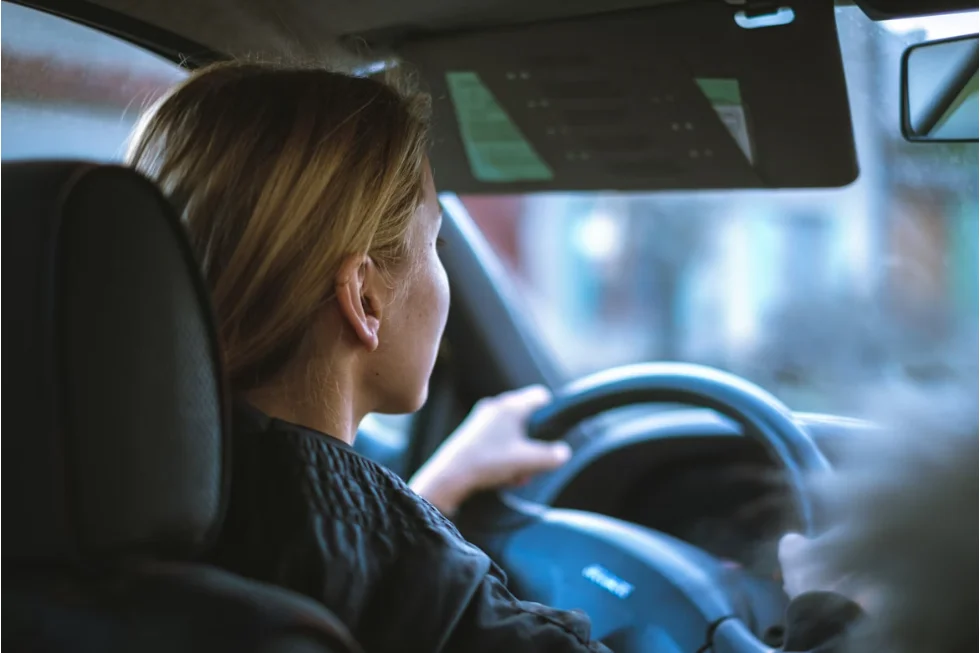
If your car runs at Level 3 or above in 2026, your spot in front shifts a lot. But it does not go away full. On green-lit paths in self-drive mode, you can do side jobs. These include scanning mail or fixing route picks with voice talks. Still, dozing off or stepping from your seat stays banned. That holds unless full Level 5 hits, which stays far for everyday cars.
Inside looks change to fit this move. Brands test turning chairs for talk time on auto rides. But every one has quick take-back switches. You can grab lead in moments if the road calls for it. In a real test, a family van let parents chat while the car handled a 50-mile stretch, but a sudden alert brought dad back quick.
On the ground, view yourself more as a watcher than a full lead. You act as a person in the chain. This keeps AI on safe tracks. It’s not perfect—sometimes the system buzzes for no big reason, which can annoy, but it beats risks.
Technical Challenges Ahead
Steps forward impress, yet hard tech blocks stay before wide spread of top self-driving.
- Edge Case Handling – AI trips over wild people acts, like walkers crossing wrong or bike riders turning sharp. In one study from a Phoenix trial, these odd bits made up 3% of miles but sparked 70% of fix needs.
- Weather Adaptation – Strong downpours or flakes cut sensor sharpness. Extra ways across tools aid, but they lack full sure hits. Snowy drives in Colorado tests dropped speed limits by half, showing the gap.
- Cybersecurity Risks – Cars tie to web clouds for patches and path info. Guarding against breaks turns vital. A 2024 hack on a fleet net stole route data, pushing firms to add layers like end-to-end checks.
- Data Governance – Dealing with tons of sense data sparks secret worries. Rule folks have not covered all yet. With cars pulling 5 terabytes per hour in city runs, sorting who sees what grows key for trust.
Every block calls for team work across fields. Code workers adjust nerve setups. Rule shapers set who answers for slips. This mix draws from years of field trials, where real-road tweaks beat lab ideas.
How Will Autonomous Driving Impact Drivers Professionally?
For move workers—truck haulers, package runners, group heads—the move to self-driving might reshape day jobs by 2026. Far trips in semis could use half-self groups. These cut tired crashes and lift gas savings with matched speed starts. In Europe pilots, such lines saved 15% on fuel over 500-mile hauls, easing driver strain.
But fresh training will matter a lot. Old drive jobs turn to watch or fix spots. This work change looks like past factory shifts. There, machines took some roles but made new ones needing more tech know. For truckers, that might mean classes on system checks, opening paths to better pay but closing doors for some without update skills. It’s a mixed bag, really.
Future Outlook Beyond 2026
Looking after 2026, full self-run at Level 5 stays a hope, not close at hand. It asks cars to tackle all cases without people watch—a huge jump. This pulls in not just sharp code but linked-up towns with smart setups.
Yet steps pick up speed once base parts settle. Count on small fixes through air code boosts, not quick hops between steps. The end aim skips just cutting drivers. It builds safer paths from people and brainy machines teaming up. This bond rests on shared sure footing, not worry over job loss. Side note: some experts bet on robot cabs in suburbs by 2035, but traffic jams there could slow that dream.
FAQ
Q1: What level of autonomous driving will most cars reach by 2026?
A: Most production vehicles are expected to reach Level 3 or limited Level 4 autonomy under specific conditions such as highways or geo-fenced urban areas. This setup helps on set paths, like a 20-mile daily run, but needs your eyes open.
Q2: Can drivers sleep during autonomous mode?
A: No. Even at Level 4 autonomy in consumer cars by 2026, drivers must remain alert enough to take over when prompted; sleeping would violate safety regulations. Alerts come via sounds or lights, keeping you ready.
Q3: Will insurance policies change for autonomous vehicles?
A: Yes. Liability may shift toward manufacturers or software providers depending on whether autonomy was active during an incident. For instance, if the car logs show AI fault, your bill drops.
Q4: Are there any countries allowing full hands-free driving now?
A: Some regions like Germany and Japan permit conditional hands-free operation under strict monitoring rules aligned with UNECE standards. Trials there cover 100 miles of roads, with eyes-on rules.
Q5: What is preventing full self-driving adoption globally?
A: Technical challenges such as unpredictable human behavior, weather interference with sensors, cybersecurity threats, and incomplete regulatory frameworks continue to delay universal deployment of fully autonomous systems. Add in cost—sensors alone run $10,000 per car—and you see the holdups.