



Why Does the Discovery Space Shuttle Still Matter?
The Discovery space shuttle is not only a retired orbiter with a well-known name. It shows how human spaceflight moved from early test flights to regular work in orbit, and then to the building of the International Space Station. For anyone following Space Science, Discovery is a useful way to read three decades of NASA choices, repairs, mission pressure, and lessons learned.
NASA’s public records list Discovery, also known as OV-103, as the third space-qualified orbiter in the shuttle fleet. It first flew in 1984 and made its last trip to orbit in 2011. That time span matters because one vehicle covers much of the shuttle era. Through Discovery, you can follow satellite launches, Hubble, Mir, ISS assembly, and the last years of shuttle operations.
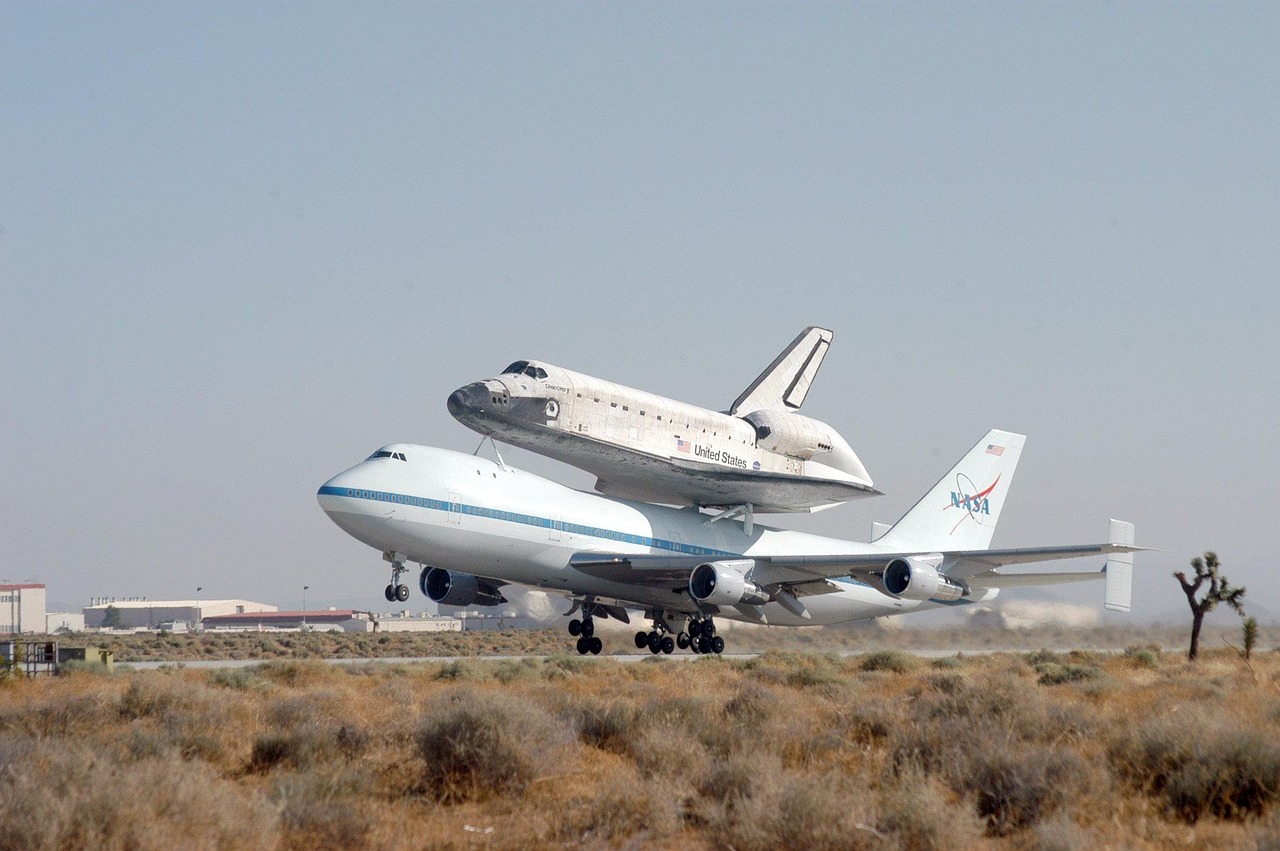
A Fleet Leader with 39 Missions
NASA’s 2024 article marking 40 years since STS-41D states that Discovery flew 39 missions, more than any other orbiter in the fleet. That figure is more than a record-book detail. It shows how often NASA selected this spacecraft for demanding work. Some of those missions also carried heavy public attention after national tragedy.
A Long Career Across 149 Million Miles
The same NASA record says Discovery traveled 149 million miles, completed 5,830 orbits of Earth, and spent a total of 365 days in space across 27 years. In plain terms, it spent about a full year off the planet. That did not happen through one long trip. It came mission by mission, with launch teams, flight controllers, astronauts, technicians, and recovery crews doing difficult work again and again until much of it looked routine.
A Visible Piece of Space History
The Smithsonian National Air and Space Museum collection record notes that Discovery is preserved as closely as possible to the way it appeared after its last flight in 2011. Visitors can see it at the Steven F. Udvar-Hazy Center in Chantilly, Virginia. That point matters more than it may sound. A clean replica can show size and layout. A flown orbiter shows scorch marks, worn tiles, and the look of equipment that really worked in orbit.
What Made Discovery Different from Other Orbiters?
Discovery did not become known by chance. Its position in the fleet came from timing, build updates, and the jobs NASA gave it. Compared with the first orbiters, it entered service after engineers had already learned from Columbia and Challenger. That did not remove the risk, because the shuttle was always a difficult system to operate. Even so, Discovery became the reliable workhorse NASA needed for many years.
Manufacturing Lessons from Earlier Orbiters
NASA’s STS-41D anniversary article says Discovery used manufacturing lessons from the first orbiters and more advanced materials. NASA also reports that it weighed nearly 8,000 pounds less than Columbia and about 700 pounds less than Challenger at rollout-related comparison points. In spaceflight, weight is never just a small note. Less mass can give mission planners more room for payload choices. It can also help with margins or later changes to the vehicle.
A Reusable Spacecraft with Aircraft-Like Landing
NASA describes the shuttle as the world’s first reusable spacecraft and a vehicle that launched like a rocket, maneuvered in orbit like a spacecraft, and landed like an airplane. The sentence sounds simple, but the flight profile was not simple at all. The orbiter came back without engine power. It behaved more like a very heavy glider than a normal jet. The crew had one real landing attempt, with no easy go-around and no second try.
A Mixed System of Reused and Expendable Parts
NASA’s shuttle reference page describes three major components: the orbiter, the external tank, and two solid rocket boosters. The orbiter and boosters were built for reuse, while the external tank burned up during reentry. This mixed setup explains both the attraction and the cost of the shuttle. NASA could reuse major hardware. At the same time, every launch still needed a large ground operation, detailed checks, and a lot of support work.
Which Discovery Missions Changed Space Science?
Discovery’s strongest Space Science story does not sit in one mission only. Several flights opened research paths that kept going for years. Some carried telescopes, while others delivered crews, supplies, and station hardware. A few also helped NASA return to flight after accidents. To understand why this one orbiter became so important, it helps to look at the payloads and the timing.
Hubble Space Telescope Deployment in 1990
NASA’s STS-31 mission page, last updated in 2025, records that Discovery launched on April 24, 1990, to deploy the Hubble Space Telescope. NASA’s Hubble history notes that the telescope weighed about 24,000 pounds and carried five science instruments at launch. The early Hubble story included the well-known mirror problem, but Discovery’s part was clear. It delivered a telescope that later changed astronomy, public space images, and the way many people think about deep space.
John Glenn’s Return to Space in 1998
NASA’s 2023 STS-95 history article records that John Glenn returned to space aboard Discovery in 1998, nearly 37 years after becoming the first American to orbit Earth. The mission had strong public interest, and that was expected. It also carried research connected to aging and spaceflight. For many readers, it linked Mercury-era courage with shuttle-era science in a way a textbook often cannot.
First Shuttle Docking with the ISS in 1999
NASA’s STS-96 mission record states that Discovery made the first shuttle docking with the International Space Station on May 29, 1999. The mission moved supplies and helped prepare the young station for later assembly work. That docking was a practical step, not just a photo moment. Before the ISS could become a long-running lab, crews had to reach it, stock it, expand it, and maintain it.
How Did Discovery Help NASA Recover After Tragedy?
Any fair article about the shuttle era has to deal with risk. Discovery’s record matters partly because it includes two return-to-flight missions after the Challenger and Columbia accidents. Those flights were not normal comeback missions. They carried new procedures, public attention, and crews who understood what had failed before.
STS-26 After Challenger
NASA’s 2023 history article on STS-26 says Discovery launched on September 29, 1988, returning American astronauts to space after a 32-month pause following the Challenger accident of January 28, 1986. The mission deployed a Tracking and Data Relay Satellite and lasted four days. The bigger issue was trust. NASA had to show that the reviews, fixes, and operating changes had real value. Discovery became the vehicle used to prove that work in public view.
STS-114 After Columbia
NASA’s STS-114 mission record identifies Discovery as the orbiter for the first return-to-flight mission after the loss of Columbia during reentry on February 1, 2003. Discovery launched on July 26, 2005. The mission tested inspection and repair methods. It also brought closer attention to foam shedding from the external tank. The flight was technical, tense, and watched closely by engineers, managers, media, and the public.
A Vehicle Linked to Program Resilience
Discovery’s two return-to-flight roles give it a separate place in NASA history. The orbiter did not erase the losses of Challenger or Columbia. No vehicle could do that. What it did was support NASA’s attempt to fly again with better checks and a more direct view of risk. That is why Discovery often feels less like one spacecraft and more like a marker in the shuttle program’s memory. See also: AI.
What Did Discovery Add to the International Space Station?
The ISS did not arrive as a finished laboratory. It grew through many launches, spacewalks, robotics jobs, and resupply runs. Discovery’s role can be easy to overlook because ISS assembly often turns into a long list of mission numbers. NASA records show that Discovery flew 13 assembly and resupply missions to the orbiting laboratory, which is a large part of its working life.
Early Docking and Logistics Work
STS-96 helped prove that shuttle crews could dock with the new station, move cargo, and support early assembly needs. NASA’s mission record also notes that Discovery’s reaction control system jets were used to boost the station’s orbit during that mission. Details like this show the shuttle was not only a delivery vehicle. It also worked as a short-term platform, tug, workshop, and crew transport.
Final Flight to the Station
NASA’s STS-133 record says Discovery launched for its final mission on February 24, 2011, and landed on March 9, 2011. The flight lasted 12 days, 19 hours, 4 minutes, and 50 seconds, traveled 5.3 million miles, and carried the Permanent Multipurpose Module along with Express Logistics Carrier 4. On paper, that may read like a cargo list. In practice, it supported the station’s long-term research setup.
A Bridge from Construction to Research
By the end of STS-133, Discovery had helped move the ISS from construction toward normal research use. NASA’s mission summary says the crew installed hardware and helped outfit the station for continued research. If the ISS is treated as a laboratory, Discovery helped bring the shelves, spare parts, storage, and tools. Those items had to be in place before many later experiments could become routine work.
What Can You Learn from Seeing Discovery Today?
A museum display can make history feel flat if you walk past too quickly. Discovery is different when you take time with it. The Smithsonian says it flew every kind of mission the shuttle was meant to fly, which is a serious statement from a museum that holds some of the world’s best-known aerospace artifacts. The orbiter is large, worn, and still has a practical shape. Even visitors who do not closely follow rockets often stop and look.
Real Hardware Beats a Perfect Model
Discovery’s surface tells a story that polished images cannot show. Thermal protection tiles, black-and-white patterning, and the blunt body shape show the compromise behind the shuttle design. It had to handle launch loads, vacuum, heat, reentry plasma, and runway landing. That was a lot to ask from one machine, perhaps too much when looking back, but the engineering effort is easy to see up close.
Numbers Become Easier to Picture
Figures like 39 missions and 149 million miles can feel distant when they sit on a screen. In front of the orbiter, those numbers become easier to understand. You can look at the payload bay doors and imagine Hubble inside. You can look toward the nose and picture pilots setting up an unpowered landing. It is a useful reminder that Space Science often depends on hardware that can be handled, inspected, repaired, and eventually retired.
A Public Lesson in Tradeoffs
Discovery teaches a practical lesson about spaceflight. The shuttle was inspiring, useful, and expensive. It launched satellites, supported science, built the ISS, and carried people into orbit. It also faced fatal failures and heavy maintenance needs. The best takeaway is not simple praise or simple criticism. It is that space progress usually comes from hard tradeoffs discussed by engineers, managers, crews, and taxpayers.
FAQ
Q1: How Many Missions Did the Discovery Space Shuttle Fly? A: Discovery flew 39 missions, according to NASA’s shuttle history records, making it the fleet leader by mission count.
Q2: Did Discovery Launch the Hubble Space Telescope? A: Yes. NASA’s STS-31 record states that Discovery launched on April 24, 1990, to deploy the Hubble Space Telescope.
Q3: Where Is Discovery Displayed Today? A: Discovery is displayed at the Smithsonian National Air and Space Museum’s Steven F. Udvar-Hazy Center in Chantilly, Virginia.
Q4: Why Is Discovery Important to the ISS Story? A: Discovery made the first shuttle docking with the ISS in 1999 and later flew multiple assembly and resupply missions, including its final STS-133 flight in 2011.
Q5: Was Discovery Used After Shuttle Accidents? A: Yes. NASA records identify Discovery as the orbiter for return-to-flight missions after both the Challenger accident in 1986 and the Columbia accident in 2003.