


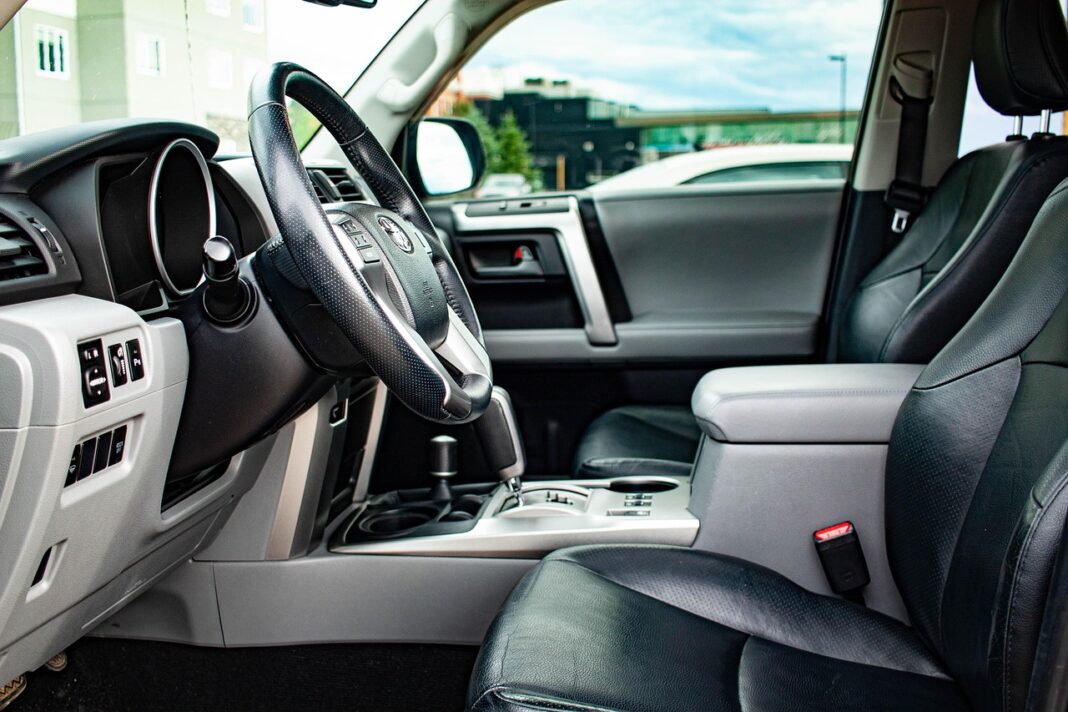

The Toyota RAV4 EV is not a new model in Toyota’s current U.S. lineup. It was a limited-production battery-electric version of the RAV4 sold in two separate periods: first from the late 1990s into the early 2000s, and again from 2012 to 2014 with a Tesla-supplied electric powertrain. As of October 16, 2026, Toyota’s RAV4 strategy has moved elsewhere. The sixth-generation RAV4 is offered as a hybrid or plug-in hybrid, while Toyota’s dedicated battery-electric SUV role is handled by the bZ family. For broader coverage of electric vehicles and plug-in trends, follow the Roadsnews EV section.
What the Toyota RAV4 EV was and what it is not now
The Toyota RAV4 EV was a battery-electric compact SUV. It was not a hybrid and not a plug-in hybrid. That distinction matters because the name is easy to confuse with today’s electrified RAV4 lineup. A battery-electric vehicle runs only on electricity. A hybrid uses a gasoline engine and electric motors but does not plug in. A plug-in hybrid can drive on electric power for a limited distance, then continue as a gasoline-electric hybrid once the battery is depleted.

Toyota’s official U.S. consumer page for the RAV4 EV states that the model was discontinued in 2014. Toyota still references service support for existing RAV4 EV owners through authorized Toyota RAV4 EV dealers, but the company does not describe any current vehicle as a RAV4 EV.
That leaves three separate vehicles and concepts that shoppers often mix together. The historical Toyota RAV4 EV was a true EV. The 2026 RAV4 Plug-in Hybrid is a gasoline-electric plug-in SUV with limited all-electric range. The Toyota bZ is Toyota’s current battery-electric small SUV offering in the U.S. market. They overlap in size, use case and customer interest, but they are not the same product.
Two short production eras shaped the RAV4 EV name
The RAV4 EV name carries more history than many current EV shoppers may realize. Toyota built it during two different periods, both closely tied to California’s zero-emission vehicle policy and early attempts to test consumer demand for electric SUVs.
The first-generation RAV4 EV
Toyota introduced the first-generation RAV4 EV in 1997 in response to California’s zero-emission vehicle mandate. Toyota’s own historical material says the first version used a nickel-metal hydride battery pack and delivered an estimated 80 to 110 miles of driving range on a charge. From model years 1998 to 2003, Toyota said 1,484 first-generation RAV4 EVs were sold or leased in the United States.
That first model mattered because it showed that an electric SUV could be practical before lithium-ion packs, DC fast charging networks and mass-market EV demand were in place. It also reflected the limits of that period. Battery costs were high, public charging was scarce and the market was shaped as much by regulation as by broad consumer demand.
The second-generation RAV4 EV
The better-known second-generation Toyota RAV4 EV arrived for the 2012 model year. Toyota unveiled it in May 2012 at the Electric Vehicle Symposium in Los Angeles and described it as an all-electric compact SUV jointly developed with Tesla Motors. Toyota said the vehicle was based on the RAV4 body and used a Tesla electric powertrain.
According to Toyota’s 2012 announcement, the second-generation model had a 41.8-kWh lithium-ion battery, front-wheel drive, seating for five and an estimated real-world cruising range of about 100 miles. Toyota planned California sales beginning in late summer 2012, with a planned manufacturer’s suggested retail price of $49,800 and a target of about 2,600 units over three years.
The Tesla connection is why the second-generation RAV4 EV still attracts attention. Tesla supplied major electric-drive components, while Toyota led vehicle development, manufacturing integration and quality requirements. The vehicle was assembled in Woodstock, Ontario, Canada, using RAV4 bodies and Tesla-supplied electric systems.
Key specs that still define the second-generation RAV4 EV
For many readers, “Toyota RAV4 EV” means the 2012 to 2014 version. Its specifications look modest beside 2026 EVs, but they were meaningful in the early 2010s, especially for a compact SUV with usable cargo space.
| Item | Second-generation Toyota RAV4 EV |
|---|---|
| Model years | 2012 to 2014 |
| Vehicle type | Battery-electric compact SUV |
| Battery | 41.8-kWh lithium-ion pack, according to Toyota’s 2012 specification sheet |
| Drive layout | Front-wheel drive |
| Maximum output | 115 kW, according to Toyota’s launch specifications |
| EPA-rated range | 103 miles, according to Toyota’s 2012 U.S. launch material |
| EPA efficiency | 76 MPGe combined, with 78 city MPGe and 74 highway MPGe |
| Charging estimate | About six hours at 240 volts and 40 amps in Toyota’s launch specification |
| Market focus | California-focused retail program |
The numbers explain both the vehicle’s appeal and its limits. A 103-mile EPA range could cover many daily commutes, school runs and local errands. It was less suitable for long trips, cold-weather range demands or owners without dependable home charging. That mix made the RAV4 EV interesting to early adopters, but difficult to scale as a mainstream national model.
Why the 2026 RAV4 is not a new RAV4 EV
The sixth-generation RAV4 is important to Toyota’s electrification story, but it is not a revival of the RAV4 EV name. Toyota’s 2026 RAV4 product announcements describe a lineup built around Hybrid Electric Vehicle and Plug-in Hybrid Electric Vehicle powertrains. In other words, every 2026 RAV4 is electrified, but none is a battery-only RAV4 EV.
Toyota says the 2026 RAV4 Plug-in Hybrid offers up to a manufacturer-estimated 52 miles of all-electric driving range on certain grades. That is a substantial electric-driving figure for a plug-in hybrid and a notable increase from the previous RAV4 Prime era. It is still a different ownership proposition from the old RAV4 EV. The plug-in hybrid has a gasoline engine, can continue after its plug-in charge is depleted and is designed to reduce fuel use without making drivers fully dependent on charging.
This approach fits Toyota’s broader “multi-pathway” strategy. Rather than replacing the RAV4 directly with a battery-only version, Toyota is using hybrids and plug-in hybrids in high-volume models while offering separate battery-electric vehicles under the bZ name. That gives the RAV4 lineup lower fuel consumption and more electric driving without turning the RAV4 badge into a full EV product line.
How Toyota’s current EV strategy fills the gap
If a shopper wants a modern Toyota electric SUV, the closest current answer is not a new RAV4 EV. It is the Toyota bZ family. Toyota’s 2026 bZ material describes the vehicle as a battery-electric small SUV and says the updated model adds more range, stronger output, refreshed styling and a North American Charging System port. Toyota has stated a manufacturer-estimated range of up to 314 miles for certain 2026 bZ configurations.
That makes the bZ a very different vehicle from the 2012 to 2014 RAV4 EV. The old RAV4 EV was essentially a limited RAV4-based electric program built around a specific Toyota-Tesla collaboration. The bZ is a dedicated modern BEV product for a market with far more charging infrastructure, higher consumer expectations and stronger competition from Tesla, Hyundai, Kia, Ford, Chevrolet and others. See also: AI.
The RAV4 Plug-in Hybrid and Toyota bZ therefore serve different buyer profiles. The plug-in hybrid suits drivers who want a familiar RAV4, gasoline backup and meaningful short-distance electric driving. The bZ suits drivers ready to use a battery-only SUV as their primary vehicle and plan around charging. The missing piece is a vehicle actually named RAV4 EV, and Toyota has not positioned one in the U.S. lineup as of this article’s publication date.
What used RAV4 EV shoppers should understand
A used Toyota RAV4 EV can still appeal to enthusiasts, Toyota loyalists and drivers with short local routes. It should be evaluated as a niche discontinued EV, not as a normal used RAV4. The youngest second-generation examples are now more than a decade old, and early first-generation examples are closer to collector-grade EV history than mainstream transportation.
Range should be the first practical question. The second-generation model carried a 103-mile EPA rating when new, but real-world range on any used EV depends on battery condition, climate, speed, tire choice and accessory use. A pre-purchase inspection should focus on battery health, high-voltage system condition, charging behavior and any warning lights or service records that point to electric-drive issues.
Service access is another major consideration. Toyota says current RAV4 EV owners can still receive service through authorized Toyota RAV4 EV dealers, but not every Toyota dealership has the same experience with a low-volume discontinued EV. Before buying, shoppers should identify a nearby service point that is willing and qualified to work on the vehicle.
Connected features are also limited by age. Toyota’s support material notes that certain Safety Connect and Entune App Suite features on select older Toyota models were discontinued after the shutdown of 3G wireless networks, and the RAV4 EV is among the affected models for functions such as remote climate and vehicle finder. That does not prevent the vehicle from driving, but it reduces some convenience features that owners may expect from newer EVs.
Parts availability is the final caution. Body and interior items may overlap with the RAV4 generation on which the vehicle was based, but the electric powertrain is specialized. That can make some repairs more complex and potentially more expensive than work on a conventional used RAV4 Hybrid.
What the RAV4 EV still means for Toyota
The Toyota RAV4 EV is best understood as an early bridge between compliance-era electric vehicles and today’s mainstream EV market. The first generation proved that a practical electric SUV could exist long before modern charging networks. The second generation put a Tesla-powered electric drivetrain into one of Toyota’s most recognizable utility vehicles. Neither became a long-running national product, but both helped define the questions that still matter: range, price, battery durability, charging access and consumer confidence.
The current RAV4 lineup shows Toyota answering those questions in a different way. Instead of a direct battery-electric RAV4, Toyota has made the RAV4 hybrid-only or plug-in hybrid in 2026 materials, while assigning full EV duties to the bZ lineup. For some EV advocates, that may feel like a missed chance to use one of Toyota’s strongest nameplates for a battery-only SUV. For Toyota, it appears to be a way to electrify a high-volume model while keeping the all-electric portfolio separate.
That is why searches for “Toyota RAV4 EV” often lead to confusion. The name is real, the vehicles existed and the Tesla-powered version remains historically significant. But shoppers looking for a new Toyota electric SUV today should compare the RAV4 Plug-in Hybrid with Toyota’s bZ models rather than wait for a current RAV4 EV that Toyota has not announced for the U.S. market.
Frequently asked questions
Is Toyota selling a new RAV4 EV in 2026?
No. Toyota’s current U.S. RAV4 materials describe hybrid and plug-in hybrid models, not a battery-electric model named RAV4 EV. Toyota’s dedicated battery-electric small SUV offering is the bZ family.
When was the Toyota RAV4 EV discontinued?
Toyota’s U.S. consumer page states that the RAV4 EV was discontinued in 2014. That refers to the second-generation Tesla-powered version sold from 2012 to 2014.
Was the Toyota RAV4 EV made with Tesla?
The second-generation RAV4 EV was jointly developed with Tesla Motors. Toyota said Tesla supplied the electric powertrain, while Toyota handled vehicle development, manufacturing integration and broader quality requirements.
How far could the Toyota RAV4 EV drive on a charge?
The 2012 to 2014 RAV4 EV carried an EPA-rated range of 103 miles. The earlier first-generation model was described by Toyota as having an estimated 80 to 110 miles of range, depending on conditions.
Is the RAV4 Plug-in Hybrid the same as the RAV4 EV?
No. The RAV4 Plug-in Hybrid can drive on electric power for short trips, but it also has a gasoline engine. The historical RAV4 EV was a battery-electric vehicle with no gasoline engine.