



The 2026 SUV War: Tesla Model Y “Juniper” vs. Rivian R2
The electric SUV world is preparing for a big showdown in 2026. Tesla’s updated Model Y, known by the code name “Juniper,” plans to go head-to-head with Rivian’s brand-new R2 compact SUV. These two companies are going after the same crowd. That includes people who like gadgets, think about the planet, and seek good speed without giving up much. This face-off does not stop at basic facts. It digs into ideas, building plans, and the way each business sees travel in the years to come. From what I’ve noticed in car shows, these clashes often highlight how brands try to stand out in a packed field.
How Does Design Philosophy Shape the Two SUVs?
Tesla and Rivian each have their own clear ways of designing cars. These ways show what their names mean to buyers. The Model Y “Juniper” from Tesla keeps up Elon Musk’s basic style. It features plain sides, smooth air flow to cut wind resistance, and an inside area led by one main screen. Talk around town says the new version will have fresh front lights, better stuff inside, and small changes on the outside. All this will match the newer style of the Model 3 Highland.
The R2 from Rivian picks a fresh path. It shows a fun, bold side with sharp corners, strong shapes, and light designs like those on its bigger R1 family. The R2’s overall look tells of strength and newness at the same time. It seems set for a bumpy path or a quick city trip. Tesla goes for a smooth, tomorrow-like feel. Rivian, though, tips toward tough, everyday use. In real life, like on a family outing, Rivian’s look might make you feel more ready for surprises on the road.
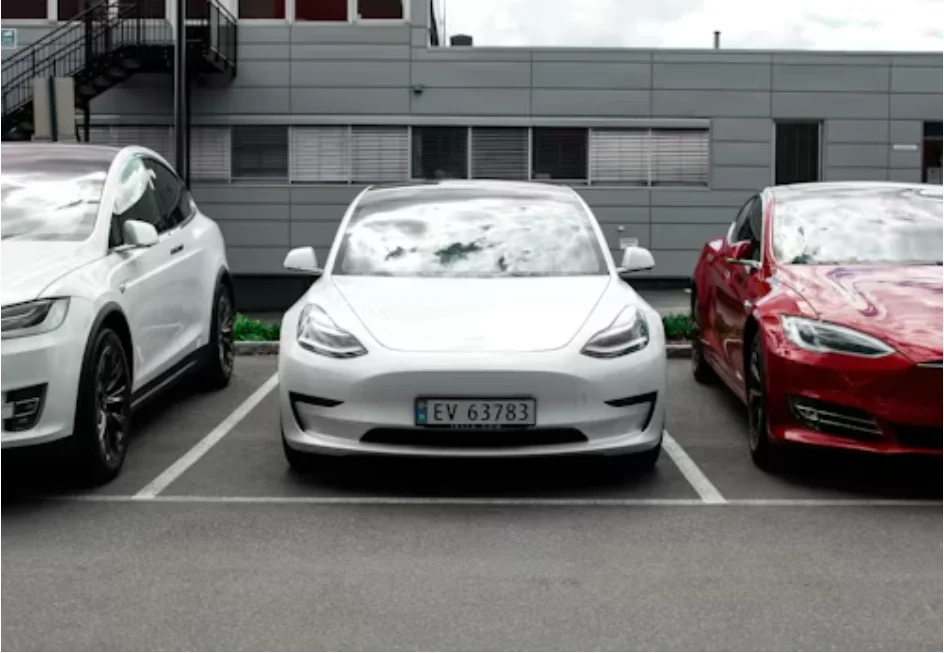
Exterior Aesthetics
Word is that the Model Y Juniper puts effort into fine-tuning, not total change. You can look for better air flow that helps stretch the driving distance. There will be small fixes to the body that boost how well it uses power. The R2 from Rivian, by contrast, stresses all-around use. Its shorter space between wheels and extra height off the ground fit it well for different kinds of paths. For instance, if you’re driving through light snow or gravel, that setup could give a smoother ride than a low-slung car.
Interior Layout
Step inside the Juniper, and Tesla may bring nicer fabrics and seats that let air through. These changes fix complaints from buyers over time. The inside of Rivian’s R2 will most likely hold to the company’s green materials way. At the same time, it will add new tech setups made for ease and outdoor trips. Think about loading up camping gear—the R2’s space feels practical with spots for maps or quick phone checks.
What About Performance And Range?
When it comes to speed, Tesla holds the top spot in most Tesla vs Rivian talks. The Model Y Performance now hits 0–60 mph in a little over 3 seconds. That’s fast. The Juniper version should keep those speeds or make them a bit better. It will do so with software changes and improvements to the motors.
Rivian’s R2 will offer several choices for the drive system. These include one motor, two motors, and maybe even three. First word from sources gives a distance of 270 to 330 miles. This depends on how you set it up. It lines up straight against what Tesla provides. Plus, it comes in at a lower starting cost. Owners of early Rivians often share stories of solid pulls on highways, where that range feels real for long hauls like 300-mile road trips.
Battery Technology
Tesla keeps working on its 4680 cell tech. This might end up in the Juniper to pack more energy into the same size and lower making costs. Rivian checks out lithium iron phosphate (LFP) for the basic levels. It swaps some distance for cheaper builds and stronger build over time. In hot climates, LFP batteries tend to last longer without much fade, based on tests from other makers.
Charging Capabilities
Tesla stays ahead in the setup for charging with its wide Supercharger system. That said, Rivian just shared news of working with Tesla’s NACS plug from 2025. This means the R2 can tap into that same system. It’s a step that lessens one of Tesla’s main strong points. Now, drivers in remote spots won’t worry as much about finding a plug.
How Do Software And Connectivity Compare?
Software shapes a good part of what it means to own a car these days. Tesla earned its good name with updates sent over the air. These keep adding new parts or fixing speed without a trip to the dealer. The Juniper will gain from long years of solid software growth. This covers tweaks to Autopilot and fun adds like apps for watching shows right in the car.
Rivian moves up quickly. Its screen setup highlights easy tweaks and plain views over bare looks. It does not keep up with Tesla’s update speed yet. However, Rivian shows it acts fast. Air updates have fixed ride feel and power use right from the first cars. From app reviews, Rivian’s interface lets you adjust things like seat heat on the fly, which feels handy during cold starts.
Driver Assistance Systems
The Full Self-Driving (FSD) from Tesla stirs up talk but stands out for how far it goes. The Juniper will mix in the newest FSD test features. It uses only Tesla Vision hardware. That’s a strong choice to drop radar setups.
Rivian brings Driver+. This pulls together speed control that adjusts, lane keep, and no-touch help on known roads. It does not say it’s fully on its own yet. Instead, it sticks to steady work in clear limits. That down-to-earth way draws careful drivers. In busy traffic jams, systems like this can cut stress by handling the basics while you watch the scenery.
Which Brand Has The Stronger Production And Market Strategy?
The size of building might settle this fight more than the tech bits. Tesla already puts out hundreds of thousands of Model Ys each year. It does this at several big factories around the globe. Places like Fremont, Berlin, and Shanghai help. This setup gives savings no one else matches.
Rivian looks to make the R2 at its new Georgia spot. The plan calls for about 200,000 units a year once it hits full speed. That’s a reach, but it’s needed if Rivian aims for everyday sales past the fancy spots. Building at that level takes time, much like how early EV firms struggled with parts delays in 2020.
Pricing And Market Positioning
The Juniper new look might stay near today’s price levels, from $45K to $55K. It draws on current supply paths to hold profits. Rivian sets a goal of $40K to $45K to begin for the R2. That’s sharp enough to pull in folks who see today’s electric cars as too costly. Yet they still want good work in the build. At under $45K, it could appeal to young families eyeing their first EV, especially with rising gas prices.
Global Reach
Tesla has name known everywhere and solid service setups on many lands. Rivian stays mostly in the U.S. right now. But it plans to grow to other countries after getting building steady. That’s a careful plan with smart steps. Expanding means dealing with local rules, like Europe’s strict emission checks, which could slow things but build trust.
How Do Sustainability And Materials Factor In?
Being green is not a choice anymore. It’s a key part of what these brands stand for in this area. Both put weight on making cars in ways that help the earth. But they carry it out with different ideas.
Tesla puts focus on full in-house work. It makes batteries at Gigafactories run by green power when it can. Rivian cares most about clear sources for parts. It uses metals from old items, fake leather from plants, and threads from nature all through the inside.
Outside the cars, both companies put lots into cutting harm over the whole life. This includes plans to reuse batteries and delivery lines powered by sun or wind. But how open they share details changes with the area and local rules. For example, in California, stricter laws push both to show more about recycling rates, which helps buyers feel good about their pick.
Which One Offers Better Value For Experts And Enthusiasts?
For workers who check value over many years, past the first cost, key things stand out. These cover how well it holds price later, how long software lasts, ease of charging, and spots for service.
Tesla shows real strength in selling used. This comes mostly from steady air updates that keep past models useful longer than old-style cars. The Supercharger web brings real daily help that others can’t copy easy yet. It’s like a built-in road map for quick stops.
Rivian pulls people in with its special touch. That includes branding for adventures mixed with true build skills. Its four-motor system for twisting power still leads in the field. If Rivian can bring steady work at big sizes and keep up new steps, it might shake big names like Tesla in certain ways of life. Car buffs often point to Rivian’s handling in wet conditions as a standout, adding that extra thrill on twisty paths.
FAQ
Q1: What is the expected release date for the Tesla Model Y “Juniper”?
A: Word from the business says late 2025 or early 2026 for starting to build. Deliveries come soon after the world plants finish their change-over steps.
Q2: Will the Rivian R2 use Tesla’s charging network?
A: Yes, from 2025 on, Rivian cars with the R2 will take NACS spots. This gives straight use of Tesla Superchargers over North America.
Q3: Which vehicle offers better off-road capability?
A: Rivian built the R2 with more height from the ground and choice of two or three motors set for grip. This makes it stronger for off-path drives than the city-focused Model Y Juniper.
Q4: How do their interior technologies differ?
A: Tesla likes simple ways around one big touch screen. Rivian brings in two screens that stress touch buttons good for outside tasks plus new link tools.
Q5: Which model provides better long-term ownership value?
A: Tesla keeps better used prices from grown software and wide setup for charges. That said, Rivian could give more real-life worth for drivers who pick all-around use over just saving power.