



The 2026 EV Price War: 10 Cars Now Cheaper Than Their Gas Rivals
The electric vehicle (EV) market is stepping into a fresh round of rivalry. By 2026, the whole car world will see what experts call the “EV price war.” This marks a big turning point. Some of the least expensive electric cars will cost less than their gasoline versions. This change goes beyond just making things affordable. It will alter how people buy cars, how factories build them, and how we handle energy setups. Think about it – everyday folks might finally pick an EV without worrying too much about the sticker price, especially in busy cities where short trips are the norm.
Why Are Electric Cars Becoming Cheaper?
The drop in EV prices comes from a few key shifts happening at once. Battery costs have fallen a lot over the last ten years. Big factories now make them more smoothly. Car companies are setting up supply lines closer to home. This cuts down on shipping expenses and extra fees from borders. Many countries still give money-saving perks to people buying EVs. These help narrow the cost difference with regular gas cars. For instance, in the US, a $7,500 tax credit can make a new EV feel like a bargain compared to filling up a tank every week.
Tech has grown up too. The first EVs cost a bundle because batteries didn’t last long and building them took heaps of cash. But come 2026, making lots of them at once will bring prices way down. Rivals among car makers will push that even further. Basic models will give you over 250 miles on a charge. And they’ll match the tags of small everyday sedans. It’s like watching prices slide just as fast as those old flip phones got cheap back in the day.
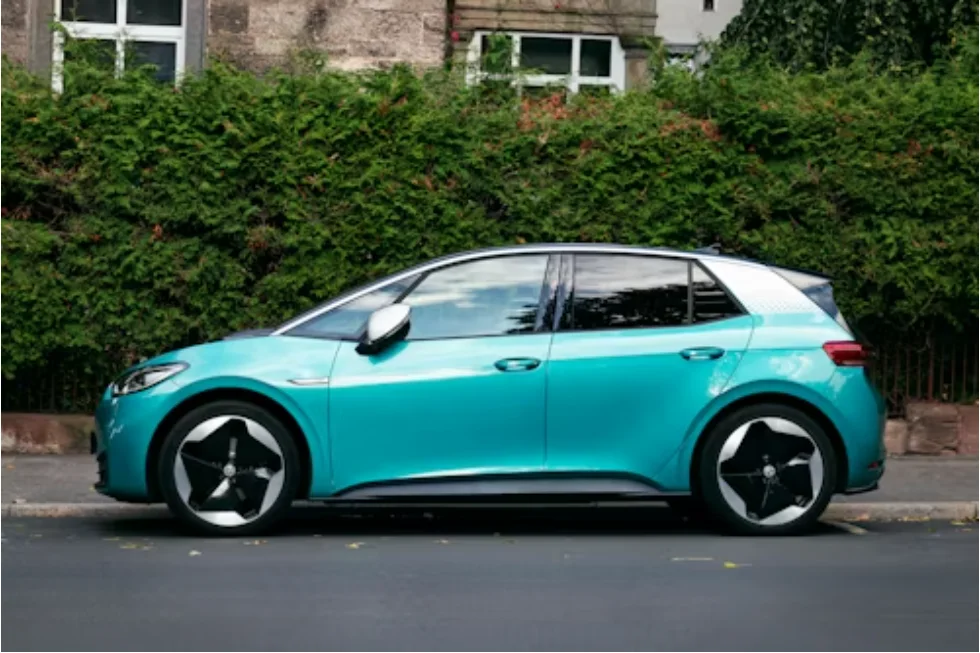
Which Models Lead the 2026 Price Revolution?
Cars that used to seem like fancy treats are now going head-to-head with cheap gas ones. Here are ten picks set to beat their fuel-burning twins in price by 2026. Each one brings something solid to the table, from zippy city rides to roomy haulers for the family.
Tesla Model 2
Tesla’s talked-about Model 2 wants to be one of their most wallet-friendly rides yet. It should start near $25,000 before any deals. That puts it under many small gas hatchbacks. The focus is on city folks who want good distance and clever tech. They don’t need the high-end bells and whistles. Imagine zipping through traffic with autopilot features, all for less than a used Corolla.
Chevrolet Equinox EV
Chevrolet’s Equinox EV fits families just right. Its starting price sits under $30,000 after breaks. It covers more than 300 miles per charge. So it beats most gas SUVs on smarts and long-term savings. Picture loading up groceries or kids for a weekend trip – no more pump stops to slow you down.
Nissan Leaf (Next Generation)
The Nissan Leaf has stood for easy electric rides for years. The new version brings better air flow and quicker top-ups. It keeps the base price in line with small gas sedans like the Toyota Corolla. Owners love how it handles daily commutes without the hassle of oil changes.
Hyundai Ioniq 2
Hyundai’s Ioniq group keeps growing. The Ioniq 2 targets folks watching their budget. It mixes simple looks with smart battery tech from nearby makers. This holds production costs in check. It’s perfect for someone new to EVs who wants reliability without fuss.
BYD Dolphin
China’s BYD has shaken up home markets with low-cost EVs already. The Dolphin goes for about $20,000 around the world. It packs solid build and decent range for its size. This takes on tiny gas hatchbacks everywhere. In places like Europe, it’s turning heads for its value, especially with rising gas bills.
Volkswagen ID.2all
Volkswagen’s ID.2all idea shows how old-school car giants are chasing cheap electric options. It starts below €25,000 in Europe. That makes it less than many of their own gas cars. It’s a smart move for VW to stay in the game as rules tighten on emissions.
Renault 5 Electric
Renault brings back its old-school name as a full-electric small car. It aims at young city drivers. With help from local perks in Europe, it might top sales lists for budget EVs by the middle of the decade. Fun fact: it echoes the quirky charm of the original, but with zero tailpipe fumes.
Ford Puma Electric
Ford wants to switch its hit Puma crossover to electric. The goal is matching the gas model’s price. It uses Ford’s flexible base in Europe. This one draws in business fleets looking for lower daily costs. Fleets save big on fuel alone – think delivery vans that never guzzle gas.
MG4 Electric
MG bets on EVs that give top perks at fair prices. The MG4 already holds its own against usual small hatchbacks. It shines in speed and cost per mile. Drivers rave about its peppy feel on twisty roads.
Kia EV3
Kia’s coming EV3 rounds out the bunch as a sensible SUV for worldwide buyers. It blends useful space, a rock-solid promise on fixes, and under-$30k tags. This sets it up well against gas rivals like the Honda HR-V. For families, the extra quiet ride is a game-changer on long drives.
How Do These Prices Compare With Gas Cars?
Look at the full picture of owning a car. That includes power costs, fixes, coverage, and how much it loses value over time. Many EVs already come out ahead of gas ones. This holds true even before they match up front prices. Power from the wall costs less per mile than gas in most spots. Plus, fewer parts to break mean smaller repair tabs down the road. Take a typical 12,000-mile year: an EV might spend $400 on electricity, while a gas car guzzles $1,200 or more.
By 2026, experts figure at least half of new small car buys around the globe will be electric or part-electric. The money edge drives that. Business fleets gain the most. They like steady power bills and fewer breakdowns from engine woes in gas setups. It’s no wonder companies are swapping fleets faster than expected.
What Role Do Governments Play?
Governments keep pushing this switch hard. They offer tax breaks for buyers. They slap fees on car makers for dirty air. They pour cash into spots to plug in. All this speeds up how many people go electric. Some areas plan to stop new gas car sales after 2030. That puts pressure on factories to ramp up cheap EV builds right now. Delaying could mean missing the boat entirely.
Local perks also nudge firms to set up battery spots at home. This cuts dependence on stuff shipped from afar. It trims travel fumes tied to moving parts around. In the end, it’s a win for cleaner air and steadier jobs in manufacturing hubs.
How Will Consumers Benefit From This Shift?
Buyers get more picks in all sizes. From quick city runners to big family wagons. You won’t give up speed or ease. Today’s batteries hold steady for what most folks drive each day. Charging spots pop up thicker yearly. I recall a road trip last summer where stations were every 50 miles – way better than five years ago.
Freedom from the pump matters too. Charge up at home with sun panels or cheap night rates. Skip the ups and downs of gas prices at stops. It’s like having your own mini power plant in the garage, saving cash and hassle.
What Challenges Remain Before Full Parity?
Progress is real, but hurdles stick around. Getting stuff for batteries can spark fights over land or world politics. Green worries about mining linger. Plug-in setups trail needs in out-of-the-way spots or poorer nations. Old EV trade-in values bounce as tech moves quick. One year an early model sells high; the next, newer batteries steal the show.
Car builders have to juggle low prices with making money. They can’t skimp on safe builds or lasting quality like gas cars offer. It’s a tightrope, but getting it right means EVs for everyone soon. From my chats with mechanics, the real test is how these hold up after 100,000 miles – and early signs look good.
FAQ
Q1: What makes some electric cars cheaper than gas cars now?
A: Battery prices have tumbled thanks to smarter making ways and tighter supply paths. This lets car companies drop shop prices. They keep the distance and power intact. Real-world example: a battery pack that cost $1,000 per kWh in 2010 now hovers around $130, slashing overall vehicle costs.
Q2: Are government incentives still necessary if EVs become cheaper?
A: Perks speed things up while the switch happens. But as rivalry heats up and numbers grow, prices fall on their own. They might fade away naturally, like how phone subsidies vanished once smartphones went mainstream.
Q3: Will charging infrastructure keep up with rising demand?
A: Big plans cover main spots. They add quick-charge lines on big roads. Home options make plugging in easy for daily use. In the US alone, over 100,000 public chargers exist now, with thousands more coming yearly – enough to handle the boom.
Q4: How do maintenance costs compare between EVs and gas vehicles?
A: EVs need way less upkeep. No oil to swap or exhaust bits to fix like in gas engines. Brakes last longer too, thanks to regen tech. Owners often report half the shop visits, saving hundreds yearly on routine stuff.
Q5: Could battery recycling help further reduce costs?
A: Sure, reuse plans pull back key bits like lithium and nickel from old packs. This drops making costs for the next batch of cheap EVs. Companies like Redwood Materials are already recycling at scale, turning waste into fresh cells and cutting raw material hunts by up to 95% in some cases.