



Tesla’s 2023 Model 3 ’Revamp’ Is for Cost-Cutting, Not a Redesign
The 2023 Tesla Model 3 refresh is not about visual reinvention but about cost discipline. Tesla has chosen to refine manufacturing efficiency, material use, and supply chain localization rather than overhaul the car’s design. This approach underscores how the company is maturing from a disruptor to an industrial optimizer. The updated Model 3 demonstrates that Tesla’s focus now lies in sustaining margins and scaling production while maintaining the brand’s technological edge. The result is a vehicle that looks familiar but is built smarter and cheaper.
Overview of the 2023 Tesla Model 3 Revamp
The Model 3 has long been Tesla’s global workhorse, defining its presence in mass-market EVs. By 2023, increased competition from established automakers and new entrants forced Tesla to rethink how it builds cars without inflating costs.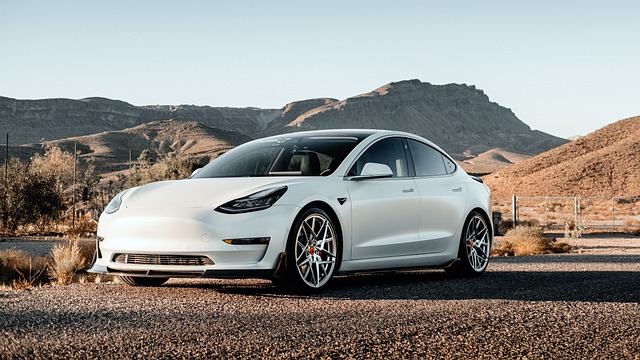
Context Behind the Model 3 Refresh
Since its debut, the Model 3 has served as Tesla’s volume leader, driving both sales and brand recognition across markets. The 2023 update arrived amid rising pressure from Chinese EV makers offering lower-cost alternatives and European brands emphasizing premium interiors. Market watchers expected improvements in design refinement and manufacturing precision rather than radical change. The refresh reflects Tesla’s pragmatic response to these expectations—incremental upgrades that serve industrial goals more than aesthetic ones.
Strategic Objectives Driving the Update
Tesla’s strategic direction emphasizes efficiency over novelty. Every product decision now aligns with operational scalability and profitability targets. The Model 3 revamp exemplifies this philosophy: fewer parts, simpler assembly, and reduced supplier complexity all contribute to lowering production costs while preserving performance benchmarks. This shift also signals Tesla’s evolving maturity as an automaker seeking sustainable growth through disciplined execution rather than constant reinvention.
Cost Efficiency as the Core Motivation
Cost control sits at the heart of the 2023 Model 3 project. Instead of chasing bold design statements, Tesla focused on refining how each car is built, sourced, and delivered.
Simplification of Manufacturing Processes
Tesla engineers streamlined assembly by cutting part counts across major subsystems. Fewer components mean faster builds, lower defect rates, and shorter cycle times on production lines. Simplified supply chains reduce vulnerability to shortages—a lesson learned during global disruptions in semiconductor availability. New manufacturing techniques such as gigacasting allow large body sections to be produced as single units, reducing welding operations and labor intensity while protecting profit margins.
Material and Component Optimization
Material choices also reflect cost pragmatism. Alternative alloys replace expensive metals where possible without compromising safety or durability. Shared components between models—especially with the Model Y—help achieve scale economies across factories in Fremont, Shanghai, and Berlin. Consolidating suppliers further improves cost predictability and quality oversight, ensuring consistent standards across regions while simplifying logistics.
Production Localization and Supply Chain Strategy
Regionalized production remains central to Tesla’s cost structure optimization. By producing locally for key markets such as China and Europe, Tesla minimizes tariffs and shipping expenses while aligning with environmental targets for reduced transport emissions. Local sourcing reduces currency exposure and strengthens relationships with regional suppliers—a critical factor given fluctuating raw material prices for lithium and nickel. Vertical integration continues to underpin these efforts by keeping battery cell production closer to assembly sites.
Design Evolution: Incremental, Not Transformative
While many anticipated a visual overhaul for the 2023 Model 3, what emerged was subtle refinement aimed at efficiency gains rather than stylistic reinvention.
Aesthetic Adjustments and Functional Refinements
Exterior changes are understated—revised lighting elements, smoother panel transitions, slightly modified bumpers—all serving aerodynamic purposes that marginally improve range efficiency. Inside the cabin, upgraded materials offer a more premium tactile feel without increasing cost significantly. Noise insulation improvements enhance comfort during highway driving, addressing feedback from earlier owners who noted road noise levels above segment norms.
Technological Enhancements in User Experience
Tesla continues its software-first approach by enhancing user experience through over-the-air updates instead of major hardware replacements. Infotainment responsiveness improved via optimized system architecture rather than new screens or processors. Subtle hardware tweaks—like better camera placement for Autopilot functions—prepare the platform for future software capabilities without redesigning core systems.
Balancing Design Aspirations with Economic Realities
Tesla faces a delicate balance between maintaining consumer excitement and preserving profitability in an increasingly crowded EV landscape.
The Role of Consumer Perception in Redesign Decisions
Tesla’s minimalist design ethos naturally resists frequent exterior changes; customers value function over form evolution. Brand loyalty stems from performance metrics like acceleration or software capability rather than cosmetic shifts. Incremental updates sustain engagement while allowing continuous production flow—a key advantage when scaling globally across multiple plants.
Cost Efficiency as a Competitive Advantage in EV Markets
By focusing on manufacturing discipline instead of visual novelty, Tesla positions itself uniquely among rivals emphasizing design differentiation. Lower build costs enable flexible pricing strategies that can undercut competitors while preserving margins even when raw material prices fluctuate sharply. Streamlined engineering processes also shorten development cycles for future variants—a benefit few legacy automakers can match given their complex supply structures.
Implications for Tesla’s Broader Product Strategy
The lessons learned from this revamp extend beyond one model; they shape how Tesla will approach every future vehicle refresh.
Influence on Future Model Development Cycles
The modular engineering principles applied here will likely inform upcoming updates for vehicles like the Model Y or next-generation sedans. Standardized component frameworks simplify adaptation across segments while keeping R&D spending contained. This approach mirrors traditional automotive practices but executed with Silicon Valley speed—an unusual hybrid model that defines modern Tesla operations.
Market Positioning Amid Intensifying Competition
As competitors double down on aesthetic differentiation or luxury positioning, Tesla reinforces its identity as an engineering-led brand centered on efficiency leadership. The refreshed Model 3 signals confidence: it doesn’t need dramatic redesigns to stay relevant because its core strengths lie in technology integration and production mastery. Long-term success will depend on maintaining this balance between innovation pace and operational discipline—a test every maturing manufacturer eventually faces.
FAQ
Q1: Why did Tesla choose not to redesign the 2023 Model 3 completely?
A: Because the company prioritized reducing manufacturing complexity and costs over altering exterior styling significantly.
Q2: What are the main cost-saving measures introduced?
A: Key actions include part count reduction, localized sourcing strategies, shared components across models, and simplified assembly processes using gigacasting methods.
Q3: How does the refresh affect performance or range?
A: Minor aerodynamic improvements slightly enhance efficiency; however, core performance figures remain largely unchanged compared with prior versions.
Q4: Does this strategy apply to other upcoming Tesla vehicles?
A: Yes, lessons from this revamp are expected to influence future updates such as those planned for the Model Y or next-generation sedans built on modular architectures.
Q5: How does this revamp position Tesla against competitors?
A: It strengthens Tesla’s image as an engineering-driven manufacturer focused on efficiency leadership rather than frequent stylistic reinvention—a contrast to rivals emphasizing design variety over production discipline.