


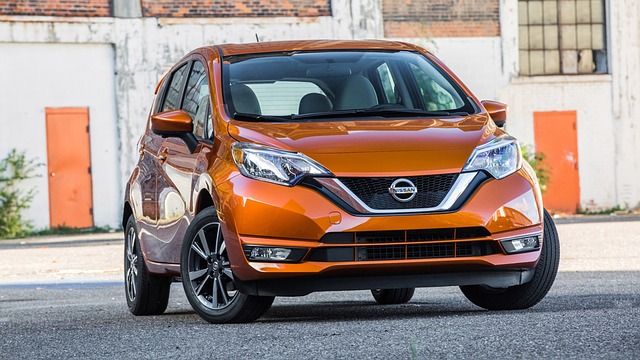

2026 Nissan LEAF vs 2026 Nissan Ariya
The 2026 Nissan LEAF and Ariya represent two distinct yet converging paths in Nissan’s electric vehicle (EV) evolution. The LEAF continues to refine urban efficiency and affordability, while the Ariya pushes boundaries of performance and luxury. Both models share a unified technological backbone, from advanced battery systems to e-4ORCE all-wheel control. Together they illustrate Nissan’s strategy to merge scalable EV platforms with forward-looking sustainability goals, signaling the brand’s intent to lead the next phase of global electric mobility.
Nissan’s Vision for the Future of Electric Mobility
Nissan’s electrification roadmap emphasizes a balance between innovation, environmental responsibility, and market competitiveness. Its upcoming EVs are designed not only as transportation tools but as integral components of a sustainable ecosystem.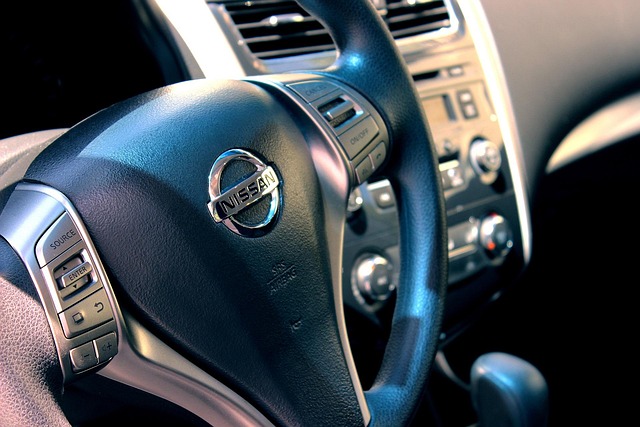
Strategic Direction of Nissan EV Development
Nissan’s long-term electrification strategy is anchored in carbon neutrality by 2050. This involves transitioning all new models in major markets to electric or hybrid by the early 2030s. The company integrates global EV platforms like CMF-EV to improve scalability and reduce production complexity. Innovation hubs in Japan, Europe, and North America collaborate with research institutions to accelerate breakthroughs in solid-state batteries and software-defined vehicle architecture.
Evolution from Previous Generations to 2026 Models
From the first-generation LEAF that pioneered mass-market electrification to today’s Ariya crossover, Nissan has refined its design language toward aerodynamic minimalism and digital-first interiors. The 2026 models introduce higher energy density batteries, faster charging capabilities, and improved driver-assist systems shaped by evolving safety regulations and consumer expectations for connected mobility.
Core Technological Foundations of Nissan EVs
The core engineering pillars behind both vehicles define their performance identity—power management, traction control, and battery intelligence work together for seamless driving dynamics.
The e-4ORCE All-Wheel Control System
Nissan’s e-4ORCE system uses dual-motor torque vectoring to manage power distribution across all four wheels in milliseconds. Compared with earlier calibrations on the LEAF e+, the Ariya’s setup delivers more precise yaw control under acceleration or cornering. This system enhances grip on wet or uneven surfaces while maintaining ride comfort—a balance few competitors achieve without compromising efficiency.
Battery Architecture and Energy Management
Research into solid-state battery technology continues within Nissan’s Yokohama lab network. While current models still rely on lithium-ion chemistry, improvements in cooling circuits and cell packaging have increased usable capacity by roughly 10%. The Ariya offers larger pack options supporting up to 600 km range (WLTP), while the LEAF prioritizes fast-charging convenience for city commuters. Enhanced thermal management ensures consistent performance across temperature extremes.
Powertrain Engineering: 2026 LEAF vs 2026 Ariya
The mechanical heart of both vehicles demonstrates how platform flexibility can cater to different driving personas—from efficient commuter runs to spirited highway travel.
Motor Configuration and Output Characteristics
The LEAF retains a single front-mounted motor producing around 160 hp for balanced daily usability. The Ariya employs a dual-motor layout generating up to 389 hp with instantaneous torque delivery. Differences in drivetrain layout shift weight distribution: front-heavy for agility in urban settings versus near-perfect balance in the Ariya for high-speed stability.
Regenerative Braking Systems and Efficiency Optimization
Refinements in regenerative braking algorithms now allow smoother transitions between frictional and electronic braking. In urban traffic, both models recover up to 30% more energy than previous versions due to predictive mapping tied into navigation data. Highway operation sees reduced recovery but improved coasting efficiency through adaptive cruise integration that moderates deceleration intelligently.
Design Philosophy and Aerodynamic Optimization
Design has become central not just for aesthetics but as an engineering tool enhancing energy economy across both models.
Exterior Design Elements Influencing Efficiency
Body sculpting on the new LEAF achieves a drag coefficient near 0.26, aided by flush door handles and active grille shutters. The Ariya refines airflow beneath its SUV form using underbody panels and vortex generators at rear corners. Wheel design also plays a measurable role; lightweight alloys reduce turbulence while maintaining visual distinction between eco-focused hatchback and premium crossover identities.
Interior Architecture Focused on User-Centric Innovation
Cabins emphasize open layouts with fewer physical buttons replaced by haptic controls integrated into minimalist dashboards. Both adopt sustainable materials such as bio-fabrics and recycled plastics aligning with corporate ESG targets. The human-machine interface evolves through voice-driven menus supported by contextual AI suggestions that adapt over time based on driver habits.
Intelligent Connectivity and Software Ecosystem
Digital ecosystems now define ownership experience as much as mechanical attributes do.
Integration with NissanConnect EV Platform
Both vehicles connect via cloud-based services allowing remote monitoring of charge status, route planning, or over-the-air software updates. Predictive maintenance uses real-time sensor analytics to alert users before component wear impacts performance. Data synchronization across multiple devices provides seamless continuity between home energy systems and vehicle operations.
Advanced Driver Assistance Systems (ADAS) Evolution
ProPILOT Assist receives major upgrades through sensor fusion combining radar, lidar, and camera data streams for smoother lane centering even under poor visibility. AI-driven learning continuously refines response accuracy based on fleet data feedback loops—an approach aligned with evolving ISO safety frameworks emphasizing adaptive automation reliability metrics.
Market Positioning within the Global EV Landscape
Strategic differentiation between these two nameplates allows Nissan to capture diverse buyer segments while maximizing production economies of scale.
Target Segments for the LEAF vs Ariya
The LEAF remains targeted at cost-conscious urban drivers seeking compact practicality with low running costs. Conversely, the Ariya appeals to premium buyers valuing space, power delivery, and advanced connectivity features typical of executive crossovers. Pricing reflects these priorities: affordability versus aspirational sophistication within one cohesive nissan ev lineup.
Competitive Analysis within the 2026 EV Market
In global terms, both compete against established players from Europe, China, and North America offering similar range figures but differing brand equity perceptions. Government incentives such as zero-emission rebates continue influencing purchase decisions especially for entry-level segments like the LEAF category where upfront cost sensitivity remains high.
Sustainability Metrics and Lifecycle Considerations
Environmental responsibility extends beyond tailpipe emissions into manufacturing ethics and end-of-life processes.
Manufacturing Footprint Reduction Initiatives
Nissan incorporates renewable electricity at its major assembly plants including Sunderland (UK) powered partly by wind turbines. Closed-loop recycling programs reclaim valuable metals from used packs feeding back into new battery production cycles—reducing raw material dependency consistent with international ESG reporting standards like GRI or SASB frameworks.
End-of-Life Vehicle Management Strategies
Used traction batteries find second life in stationary storage arrays supporting microgrids or commercial facilities before final recycling through certified partners under ISO environmental guidelines. Such circular economy practices minimize waste generation while stabilizing supply chains amid rising global demand for critical minerals like nickel or cobalt.
The Broader Implications for Nissan’s EV Leadership Trajectory
Lessons from cross-model integration reveal how shared development accelerates innovation cycles across product lines without diluting brand identity.
Lessons from the LEAF-Ariya Technological Convergence
Shared architectures allow rapid deployment of new propulsion modules across body types reducing R&D redundancy by nearly half compared with isolated model programs. Synergies between compact efficiency-focused EVs like LEAF and performance-oriented SUVs like Ariya create complementary learning loops benefiting future releases beyond 2026.
Outlook on Nissan’s Role in Shaping Future Mobility Standards
As charging interoperability initiatives mature under IEC standardization efforts globally, Nissan contributes technical expertise ensuring cross-network compatibility among public infrastructure providers. Continuous software refinement also positions its ADAS suite as a benchmark reference influencing future regulatory safety frameworks worldwide.
FAQ
Q1: What distinguishes the 2026 Nissan LEAF from previous generations?
A: It features improved battery density, faster charging capability, refined aerodynamics, and enhanced digital connectivity aligned with modern mobility standards.
Q2: How does e-4ORCE benefit everyday driving?
A: It delivers superior traction control during acceleration or cornering by adjusting torque distribution instantly across wheels for stable handling on varied surfaces.
Q3: Are both models compatible with fast-charging networks?
A: Yes, they support high-output DC chargers compliant with global CCS protocols enabling substantial recharge within roughly half an hour depending on station capacity.
Q4: What sustainability measures are implemented during manufacturing?
A: Production utilizes renewable energy sources combined with closed-loop recycling systems reducing carbon intensity per vehicle built significantly compared with prior years’ baselines.
Q5: Will future updates be available remotely?
A: Over-the-air updates through NissanConnect allow continuous feature enhancements including navigation maps, system diagnostics improvements, or ADAS tuning without dealership visits.