



GM Patented a Mode That Could Help a Stuck Silverado EV Rock Itself Free Without the Driver Guessing
General Motors has filed a patent for an automated self-recovery mode in the Chevy Silverado EV, signaling a major step toward intelligent off-road automation. The system allows the vehicle to rock itself free from mud, sand, or snow without driver input. This technology integrates advanced control software with the electric drivetrain, reshaping how heavy electric trucks handle traction loss. It shows GM’s intent to merge automation and off-road capability, setting new benchmarks for electric truck engineering and safety.
Understanding the Chevy Silverado EV Patent
The patent represents more than just another traction control feature; it’s a core innovation that blends robotics, machine learning, and EV architecture into one cohesive recovery process. It reflects GM’s strategic move to improve both driver experience and off-road autonomy.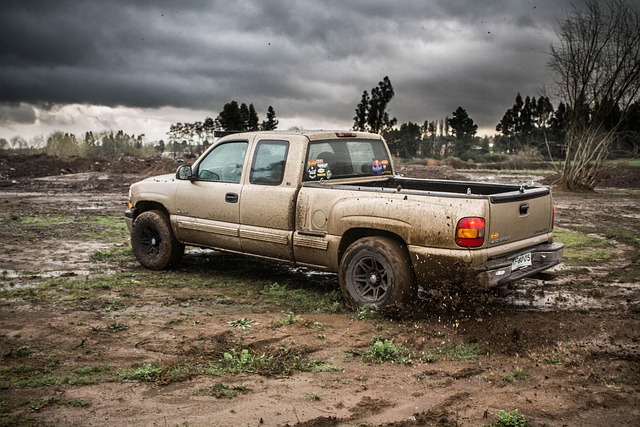
Overview of the Patent’s Core Concept
The patent centers on a self-recovery mode designed for electric vehicles. It enables the Chevy Silverado EV to rock itself free when immobilized, eliminating guesswork from the driver. The system uses advanced traction control, torque vectoring, and motor management to alternate power delivery between wheels. This back-and-forth motion mimics manual rocking but with precise timing and control that human drivers rarely achieve.
Engineering Motivation Behind the Innovation
Electric trucks like the Silverado EV are heavier than their combustion counterparts because of large battery packs. That weight can make recovery difficult when traction is lost on loose terrain. GM’s engineers sought to reduce driver dependency by automating recovery actions that typically require skill and experience. This approach also fits GM’s broader goal of embedding automation across performance systems, from adaptive cruise control to off-road assistance.
Technical Breakdown of the Self-Recovery System
The technical foundation of this patent lies in how software interacts with hardware. The innovation depends on real-time communication between sensors, drive units, and control algorithms that interpret terrain feedback faster than any human could respond.
Integration with Electric Drivetrain Architecture
The Silverado EV’s dual-motor setup—one motor per axle—forms the basis for independent torque modulation. When wheel slip is detected, software automatically adjusts torque distribution between front and rear motors. The system uses regenerative braking to manage energy flow while creating rhythmic rocking motions that help regain traction. This closed-loop process ensures efficient energy use while maintaining drivetrain protection.
Sensor and Control Systems Involved
Wheel speed sensors constantly monitor rotation differences among wheels to detect slippage instantly. Vehicle stability modules communicate with drive control units so each motor reacts in sync with changing surface conditions. As machine learning evolves within automotive systems, future iterations may refine recovery behavior based on terrain data collected over time, allowing smarter responses in recurring scenarios.
Potential Software and Firmware Implementation Layers
Drive Control Algorithms
At its core are algorithms that alternate between forward and reverse torque pulses in rapid succession. These cycles are timed carefully to prevent overheating or mechanical stress within the drivetrain components while still generating enough momentum to free the vehicle.
Traction Response Calibration
Calibration differs depending on surface type—mud demands longer pulse intervals than snow or sand due to resistance differences. Onboard cameras or terrain mapping sensors could feed additional data into these calibrations for precise adaptation during recovery events.
Comparison with Existing Off-Road Recovery Technologies
While traditional systems rely heavily on mechanical aids or driver intuition, GM’s patent transitions recovery into an automated digital domain where sensors and code take over physical judgment calls.
Conventional Mechanical Recovery Methods
Traditional off-road recovery involves differential locks, winches, or manual rocking techniques using throttle modulation. These methods require significant driver awareness and often risk mechanical strain if performed incorrectly.
How the Silverado EV Patent Differs from Competitors’ Solutions
Tesla emphasizes predictive stability through traction management but doesn’t automate extraction itself. Rivian’s “tank turn” concept enhances maneuverability rather than self-recovery capability. GM diverges by embedding recovery logic directly into its drivetrain controls—an autonomous reaction rather than an assistive tool.
Implications for Future Off-Road Vehicle Design
This development could reshape expectations across electric truck design standards by merging automation with rugged utility—a combination long seen as mutually exclusive in heavy-duty vehicles.
Influence on Electric Truck Engineering Standards
Once implemented, this system could set new norms for automated traction management in EV trucks. Other manufacturers may adopt similar adaptive software layers across their platforms as consumers begin expecting built-in self-rescue capabilities.
Potential Impact on Safety and Vehicle Longevity
Reduction in Driver Error During Recovery Events
Automated response minimizes risks like excessive throttle use or delayed reaction times that can worsen entrapment situations or damage drivetrains.
Enhanced Component Durability Through Controlled Torque Application
Because torque pulses are computer-regulated rather than manually applied, components experience less wear compared with traditional rocking methods where engine revs fluctuate unpredictably.
Broader Industry and Market Implications
Beyond technical merit, this patent reinforces Chevrolet’s position as an innovator within a competitive electric truck market dominated by Tesla, Rivian, and Ford—all vying for leadership through unique technology offerings.
GM’s Strategic Positioning in the Electric Truck Segment
By introducing autonomous recovery capability in the Chevy Silverado EV, GM strengthens its reputation for intelligent off-road engineering while differentiating its brand identity from rivals focused mainly on range or acceleration metrics.
Future Prospects for Cross-Vehicle Application of the Technology
Adaptation Across GM’s EV Portfolio
The same logic could extend into other GM models like the GMC Hummer EV or upcoming electric SUVs where similar motor architectures exist, enabling consistent performance benefits across product lines.
Licensing Opportunities and Industry Collaboration Potential
Such proprietary systems open opportunities for collaboration with suppliers specializing in sensor fusion or control software integration under global standards such as ISO 26262 for functional safety compliance.
FAQ
Q1: What makes this Chevy Silverado EV patent unique?
A: It introduces an automated self-recovery mode that lets the vehicle rock itself free without driver input by using coordinated torque control between motors.
Q2: Does this system replace traditional recovery tools?
A: Not entirely—it complements them by offering first-line assistance before manual intervention becomes necessary.
Q3: How does it improve safety during off-road driving?
A: Automation reduces human error risk during stressful recovery attempts while protecting drivetrain components through controlled torque pulses.
Q4: Will other GM vehicles receive this feature?
A: The technology could appear in future GMC Hummer EVs or other electric SUVs since they share similar multi-motor platforms suitable for algorithmic integration.
Q5: How does it compare with Tesla or Rivian systems?
A: Tesla focuses on stability prediction while Rivian emphasizes agility; GM stands out by enabling full self-actuated extraction embedded directly into its core drive logic.