



Researchers Study How Extreme Weather Affects EV Battery Performance
Extreme weather has a measurable impact on electric vehicle (EV) battery performance. Temperature swings, humidity, and pressure all influence electrochemical efficiency, causing shifts in energy output and longevity. Studies show that both high heat and subzero cold degrade lithium-ion cells faster than moderate climates. Engineers now design advanced thermal management systems, adaptive charging protocols, and new chemistries to counter these effects. The latest research points to a future where EV’s maintain consistent range and power across diverse environments through integrated design and predictive control.
Environmental Factors Influencing EV Battery Efficiency
Environmental conditions shape how efficiently EV batteries operate. Temperature, moisture, and pressure determine reaction rates within cells and can either sustain or erode long-term capacity.
Temperature Extremes and Electrochemical Reactions
High and low ambient temperatures alter the kinetics of lithium-ion reactions. At elevated heat levels above 40°C, side reactions accelerate within the electrolyte, forming unwanted compounds on electrode surfaces that reduce capacity over time. Conversely, cold conditions below 0°C increase internal resistance, limiting ion mobility and lowering available power output. Field data from northern regions often show up to 30% range loss during winter months due to slower electrochemical processes. These thermal limits highlight the delicate balance between reaction speed and material stability.
Humidity, Pressure, and Environmental Stressors
Moisture ingress can compromise cell sealing and cause electrolyte breakdown when condensation forms inside pack housings. Variations in atmospheric pressure also affect venting systems designed to release gas safely during overcharge events. Over years of exposure, environmental stressors like salt spray or dust intrusion accelerate corrosion of connectors and busbars, influencing battery aging mechanisms. Manufacturers use multilayer seals and desiccant systems to mitigate such degradation in humid or coastal markets.
Thermal Management Systems in Electric Vehicles
Maintaining stable temperature is critical for consistent EV performance. Modern vehicles integrate active and passive systems that regulate cell temperature under varying loads.
Active Thermal Regulation Technologies
Liquid cooling systems circulate coolant through channels adjacent to battery modules to keep temperatures uniform during charging or acceleration. Heat pumps extend this principle by reversing flow direction for heating or cooling as needed, improving energy utilization compared with resistive heaters. Integrated thermal control units distribute thermal loads evenly across modules so no single area overheats—a key factor for safety compliance under IEC 62660 test standards.
Passive Cooling and Insulation Strategies
Passive solutions complement active regulation by stabilizing temperature fluctuations without consuming additional energy. Phase change materials embedded near cells absorb excess heat during rapid discharge cycles and release it slowly as conditions cool. Thermal insulation layers reduce heat loss in cold environments while advanced enclosure designs minimize internal gradients within packs, enhancing reliability during storage or transport.
Battery Chemistry Adaptations for Extreme Conditions
Material science plays a decisive role in adapting EV batteries for diverse climates. Chemists modify electrolytes, electrodes, and binders to improve resilience against temperature extremes.
Material Innovations for Temperature Resilience
Modified electrolyte formulations maintain ionic conductivity at low temperatures by incorporating solvents with lower freezing points or additives that suppress lithium plating during fast charging. Cathode coatings using aluminum oxide or zirconia improve structural stability under repeated thermal stress cycles. Silicon-dominant anodes require flexible polymer binders that accommodate expansion without cracking—critical for maintaining contact integrity across varying climates.
Solid-State and Alternative Chemistries
Solid-state batteries replace liquid electrolytes with solid conductors offering improved thermal stability and reduced flammability risk. Sodium-ion systems present another alternative due to their better tolerance of temperature swings compared with conventional lithium-ion cells. Lithium iron phosphate (LFP) chemistry also exhibits strong performance consistency between -20°C and 60°C, making it popular in fleet EV’s operating across wide geographic zones. Current research focuses on refining solid-electrolyte interfaces to maintain high efficiency across multiple climate profiles.
Energy Management and Software Optimization Techniques
Hardware alone cannot guarantee performance; software-driven management is equally vital for adapting real-time operation to environmental changes.
Predictive Battery Management Systems (BMS)
Predictive BMS algorithms forecast how temperature affects charge-discharge cycles using sensor feedback combined with historical data models. These algorithms adjust current flow dynamically to prevent overheating during high-load driving or overcooling when parked in winter conditions. Machine learning techniques enhance adaptability by correlating environmental patterns with degradation trends observed in field data collected from connected fleets.
Adaptive Charging Protocols in Varying Climates
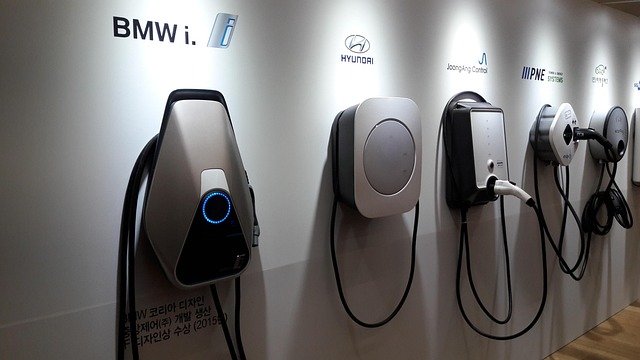
Smart charging stations now regulate voltage profiles according to ambient temperature readings communicated via vehicle telematics networks. Preconditioning routines activate heating or cooling before plug-in sessions begin so the battery reaches optimal temperature faster, reducing stress on cells during rapid charging events. Dynamic charge rate adjustments further preserve long-term capacity retention even when vehicles operate daily under extreme weather cycles.
Vehicle Design Considerations for Battery Efficiency Retention
Battery efficiency depends not only on chemistry but also on how the vehicle’s structure interacts with its environment through airflow management and protective design choices.
Aerodynamic and Structural Design Elements
Manufacturers incorporate underbody airflow channels that direct cool air toward battery housings while minimizing drag coefficients for better range efficiency. Structural shielding beneath the chassis prevents snow accumulation or water intrusion that could destabilize pack temperatures after prolonged exposure to wet roads.
Integration of Renewable Thermal Sources
Engineers increasingly use waste heat recovery from drivetrains to maintain optimal battery temperatures in cold climates without draining stored energy reserves. Solar-assisted auxiliary heating systems mounted on rooftops supply supplemental warmth during idle periods—an approach already tested in Scandinavian pilot fleets where sunlight hours are limited but still valuable for preheating functions.
Future Research Directions in EV Battery Climate Adaptation
The next generation of climate-resilient EV batteries will rely heavily on simulation tools and cross-sector collaboration between academia and industry partners.
Advanced Simulation Models for Environmental Testing
Multiphysics simulations combine electrochemical kinetics with fluid dynamics to predict real-world behavior under thermal extremes more accurately than traditional bench tests can achieve alone. Virtual prototyping shortens development cycles by allowing engineers to iterate designs digitally before physical trials begin—accelerating innovation while reducing testing costs by up to 40% according to recent IEEE conference findings.
Collaborative Efforts Between Academia and Industry
Joint research initiatives aim to standardize testing protocols across diverse climate zones so global manufacturers can benchmark results consistently under ISO guidelines. Data sharing between automakers supports deeper analysis of long-term field performance trends gathered from vehicles exposed to deserts, tundra regions, or tropical humidity—insights critical for designing next-generation EV’s capable of thriving anywhere on Earth.
FAQ
Q1: How does extreme cold affect an EV’s driving range?
A: Low temperatures increase internal resistance within lithium-ion cells, reducing available power output and temporarily lowering driving range until the battery warms up through use or preconditioning routines.
Q2: Why do manufacturers prefer liquid cooling over air cooling?
A: Liquid cooling provides more efficient heat transfer at high loads because fluids absorb heat faster than air while maintaining uniform cell temperatures across large packs.
Q3: Are solid-state batteries safer than current lithium-ion types?
A: Yes, solid-state designs eliminate flammable liquid electrolytes, offering improved thermal stability especially under mechanical shock or high-temperature exposure scenarios.
Q4: Can smart charging stations really extend battery life?
A: Adaptive charging protocols that adjust voltage based on ambient conditions reduce stress on electrodes during fast-charging events, preserving long-term capacity retention.
Q5: What future advancements are expected in climate-adaptive EV technology?
A: Upcoming developments include AI-driven predictive controls integrated with advanced materials capable of self-regulating temperature through phase transitions or embedded micro-heaters within cell structures.