



EV Charging, Smart Grids, Vehicle-to-Grid, AI, Cybersecurity
The global shift toward electrification has turned the EV charger network into a critical part of modern energy infrastructure. By 2026, its integration with smart grids and vehicle-to-grid (V2G) systems will deepen the connection between transportation and power distribution. Yet this convergence also amplifies cybersecurity exposure, making chargers both data conduits and potential attack vectors. The next phase of development must combine resilience engineering, real-time analytics, and regulatory cooperation to protect digital trust across the EV ecosystem.
The Expanding Landscape of EV Charger Networks
The evolution of EV charging networks reflects how mobility and energy are merging into one digital ecosystem. As electric vehicle adoption accelerates worldwide, infrastructure growth is outpacing traditional grid modernization efforts. This creates both opportunity and complexity for operators managing vast data streams from connected chargers.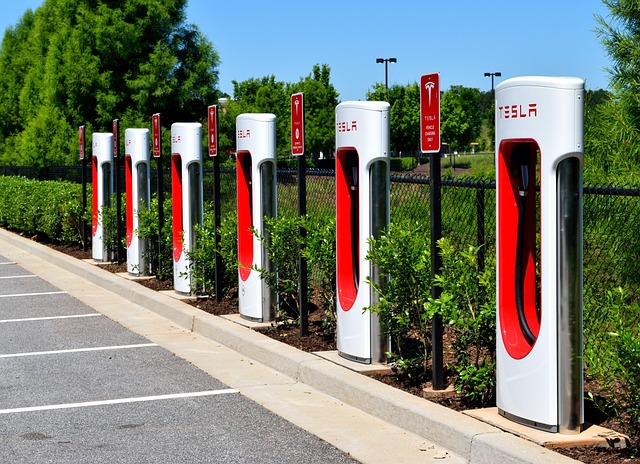
Growth and Integration of EV Charging Infrastructure
The global rise in electric vehicle ownership has triggered an unprecedented expansion of public and private charging points. According to the International Energy Agency (IEA), the number of publicly accessible chargers surpassed 3 million in 2023 and continues to grow at over 35% annually. Integration with smart grids allows dynamic load management—balancing demand peaks while feeding excess energy back through V2G systems. The inclusion of Internet of Things (IoT) sensors enables predictive maintenance but also increases system interdependence. Standardized communication protocols such as ISO 15118 are essential to maintain interoperability across diverse charger brands and network operators.
Digital Connectivity and Its Security Implications
Every modern EV charger connects through cloud-based management platforms that handle billing, diagnostics, and performance analytics. While remote firmware updates improve operational efficiency, they also expand the attack surface for cyber intrusions. A compromised update could propagate malware across thousands of units simultaneously. Data exchanged between vehicles, chargers, and utilities—often including payment credentials—demands strong encryption aligned with NIST-recommended algorithms like AES-256. Without secure communication channels, attackers could intercept or manipulate control signals affecting grid stability.
Emerging Cybersecurity Threats Facing EV Charger Networks in 2026
As charger connectivity deepens within national energy infrastructures, cyber threats evolve from isolated incidents to strategic targets. Attackers now view EV networks as gateways into broader utility systems.
Advanced Persistent Threats Targeting Energy Infrastructure
State-sponsored groups have shifted focus toward distributed energy assets such as smart meters and charging hubs. These actors exploit firmware vulnerabilities or misconfigured network interfaces to establish long-term persistence within operational technology environments. Once embedded, they can manipulate load patterns or disrupt grid coordination through synchronized attacks on charger clusters. Malware families designed for industrial control systems—similar to Industroyer or Triton—are being adapted for EV infrastructure exploitation.
Ransomware and Supply Chain Vulnerabilities
Ransomware campaigns increasingly exploit weak links in software supply chains that support charger management platforms. A single compromised vendor update can encrypt entire fleets’ operating systems or lock access to billing data until ransom is paid in cryptocurrency. Hardware suppliers also present hidden risks; counterfeit components may contain preloaded backdoors enabling remote exploitation. The financial impact extends beyond ransom payments—service downtime erodes consumer trust and interrupts fleet operations for logistics providers.
Data Privacy Risks in Connected Charging Systems
EV chargers routinely collect user identities, payment details, location histories, and vehicle identifiers. Weak authentication or session handling exposes this information to unauthorized access or spoofing attempts. In markets governed by GDPR or CCPA regulations, poor anonymization practices create compliance liabilities that can reach millions in fines. Beyond regulatory exposure lies reputational damage; consumers expect privacy parity between their vehicles and personal devices.
Technological Weaknesses Within EV Charging Ecosystems
Despite progress in cybersecurity frameworks, several technical gaps persist at both software and hardware levels within charging networks.
Vulnerabilities in Communication Protocols and Standards
The Open Charge Point Protocol (OCPP), widely used for charger-to-server communication, remains a common target due to inconsistent implementation across vendors. Misconfigured endpoints or outdated versions lacking TLS encryption allow man-in-the-middle attacks or unauthorized command injection. Absence of mutual authentication between chargers and central systems enables spoofed devices to impersonate legitimate ones—a scenario tested by researchers under IEC 61851 standards validation programs. Unsecured APIs further permit attackers to alter charging rates or disable units remotely.
Hardware-Level Exploits and Physical Access Risks
Physical tampering remains an overlooked vector in public charging environments such as parking lots or highway rest stops. Attackers can open enclosures to connect debugging tools via JTAG ports or USB interfaces left active during production testing. These access points enable direct firmware extraction or credential theft from embedded modules. Inadequate tamper detection mechanisms mean breaches often go unnoticed until after compromise propagation across local networks.
Strategies to Strengthen Cyber Resilience in 2026 EV Charger Networks
Mitigating these threats requires not only technical countermeasures but also systemic design changes emphasizing continuous verification over perimeter defense.
Implementation of Zero Trust Architecture for Charging Infrastructure
Zero Trust principles redefine network trust boundaries by verifying every device interaction regardless of origin or location. For EV infrastructure, this means authenticating each charger session dynamically using certificate-based identity management rather than static credentials. Segmentation between operational technology (OT) controlling power flow and information technology (IT) handling user data prevents lateral movement during breaches. Behavioral analytics integrated into management platforms flag anomalies such as irregular current draws or unexpected firmware calls indicative of compromise.
Enhancing Firmware Integrity and Secure Update Mechanisms
Digitally signed firmware updates validated through cryptographic signatures prevent unauthorized code execution during maintenance cycles. Real-time integrity checks monitor runtime deviations from baseline configurations using secure boot processes embedded within hardware security modules (HSMs). This approach mirrors methodologies adopted by IEC 62443-certified industrial controllers where only verified binaries execute at startup.
Collaboration Between Stakeholders to Address Future Threats
Cyber resilience depends on coordinated action among manufacturers, utilities, regulators, and cybersecurity specialists working under shared frameworks rather than isolated initiatives.
Role of Manufacturers, Utilities, and Regulators in Cyber Defense Coordination
Manufacturers must embed security-by-design principles early in product development while utilities maintain incident response playbooks tailored for distributed assets like chargers. Regulators can enforce mandatory certification schemes similar to ISO/SAE 21434 used in automotive cybersecurity compliance tests. Transparent vulnerability disclosure programs encourage responsible reporting without fear of legal retaliation—a practice already adopted by several European energy agencies.
Continuous Monitoring, Threat Intelligence, and Response Automation
Artificial intelligence-driven monitoring tools analyze telemetry from thousands of chargers simultaneously to identify anomalies before service disruption occurs. Centralized security operations centers aggregate logs from multiple operators enabling faster containment when attacks spread laterally across regions. Automated response workflows isolate affected segments instantly—reducing recovery time objectives critical for maintaining public confidence during large-scale incidents.
FAQ
Q1: Why are EV charger networks becoming high-value targets?
A: Their integration with energy grids makes them gateways into critical infrastructure where disruptions can ripple across entire cities.
Q2: Which cybersecurity standard is most relevant for charger protection?
A: IEC 62443 provides comprehensive guidelines for securing industrial automation systems including connected chargers.
Q3: How does Zero Trust differ from traditional network defense?
A: It removes implicit trust by continuously verifying every device interaction using dynamic authentication rather than fixed perimeter controls.
Q4: What role do regulators play in preventing cyberattacks on chargers?
A: They enforce certification requirements ensuring vendors meet uniform security baselines before deployment at scale.
Q5: Can artificial intelligence fully prevent cyber incidents?
A: Not entirely; AI enhances detection speed but still relies on human oversight for contextual decision-making during complex multi-vector attacks.