



Electric Motorcycle News and Reviews
Electric motorcycles are reshaping urban mobility with rapid advances in battery technology, smart connectivity, and sustainable energy integration. The shift from combustion engines to electric propulsion is no longer a niche experiment but a central part of city transport planning. Experts see the electric motorcycle not just as a cleaner alternative but as a key enabler of compact, efficient, and connected urban ecosystems. The following analysis explores how technology, policy, and design are converging to redefine two-wheel mobility for the next decade.
The Evolution of Electric Motorcycles in Urban Mobility
The transformation of electric motorcycles reflects broader changes in how cities approach mobility—focusing on efficiency, sustainability, and digital integration.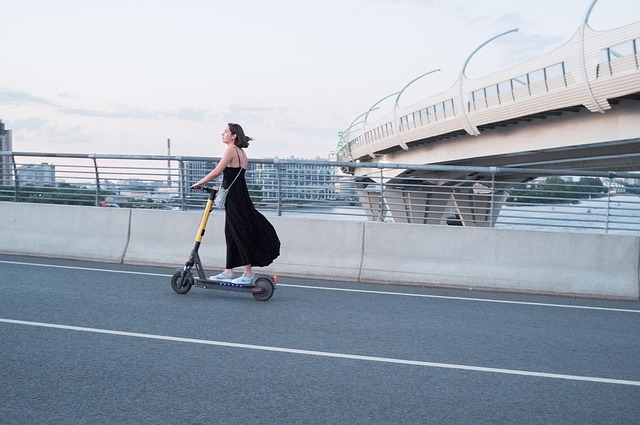
Technological Advancements Driving the Shift
Recent breakthroughs in battery chemistry are pushing electric motorcycles toward higher performance and practicality. Solid-state batteries promise greater energy density and safety, while graphene-based designs shorten charging times significantly. Manufacturers are also experimenting with lightweight carbon composites that improve handling and extend range by reducing total mass. Regenerative braking systems have become standard across premium models, capturing kinetic energy during deceleration to enhance both performance and sustainability.
The Role of Connectivity and Smart Systems
Connectivity defines the modern electric motorcycle experience. IoT integration enables real-time diagnostics, predictive maintenance, and route optimization through cloud-based platforms. V2X communication allows motorcycles to interact with other vehicles and infrastructure, reducing collision risk in dense traffic zones. Cloud analytics further refine performance by learning from rider behavior and adapting power delivery or suspension settings automatically—an early step toward fully adaptive vehicle intelligence.
Energy Efficiency and Sustainability in Electric Motorcycles
Sustainability is not limited to zero tailpipe emissions; it extends across the full lifecycle of an electric motorcycle—from material sourcing to end-of-life recycling.
Battery Lifecycle Management and Recycling Technologies
Battery lifecycle management has become a strategic priority for manufacturers. Second-life applications repurpose used cells for stationary storage systems, reducing waste while lowering production costs. Advanced recycling techniques now recover critical materials like lithium, cobalt, and nickel with high efficiency rates approaching 95% under pilot programs supported by ISO environmental standards. Circular economy models encourage manufacturers to design batteries for disassembly, closing material loops within the electric mobility sector.
Renewable Energy Integration for Charging Infrastructure
Charging infrastructure is undergoing its own green transition. Solar-powered charging stations are increasingly common in urban centers seeking to reduce grid dependency. Smart grids balance fluctuating demand using distributed storage units linked to motorcycle fleets—effectively turning idle bikes into micro energy assets. Policy frameworks in Europe and Asia now incentivize renewable-powered charging networks through tax credits and public-private partnerships aimed at decarbonizing urban transport infrastructure.
Redefining Urban Transportation Dynamics
Electric motorcycles influence not only how people move but also how cities are designed around them.
The Impact on Traffic Flow and City Design
Compact two-wheel EVs occupy less road space than cars, easing congestion in crowded districts. City planners are responding by building dedicated lanes for electric motorcycles and scooters while integrating smart parking systems that use sensors for real-time availability tracking. Some metropolitan areas experiment with shared mobility hubs where riders can switch between e-bikes, buses, or metro lines seamlessly—creating multimodal ecosystems that reduce private car dependency.
Economic Implications for Urban Mobility Ecosystems
Economic incentives drive adoption as much as environmental ones. Electric motorcycles have lower operational costs due to fewer moving parts and reduced maintenance needs compared with combustion engines. Fleet operators in delivery or ride-sharing sectors benefit from predictable cost structures and minimal downtime. Local manufacturing clusters focused on EV components also stimulate employment growth within the green technology sector—a trend reflected in IEA data showing steady increases in EV-related job creation across Asia-Pacific markets.
Challenges Facing Widespread Adoption of Electric Motorcycles
Despite momentum, several structural barriers still limit mainstream adoption across global cities.
Infrastructure Limitations and Grid Capacity Issues
The uneven distribution of fast-charging stations remains a bottleneck for long-distance commuting or intercity travel. Many urban grids were not designed for high-density EV charging loads; upgrades require substantial investment in transformers and substations. Interoperability challenges persist too—different connector types across brands complicate user convenience and slow network expansion despite ongoing efforts toward IEC standardization.
Consumer Perception and Market Adaptation Barriers
Range anxiety continues even as modern batteries achieve ranges exceeding 200 km per charge under mixed conditions. High upfront costs deter many price-sensitive buyers despite lower lifetime expenses. Education campaigns highlighting total cost of ownership could shift perception by emphasizing fuel savings, minimal servicing needs, and potential resale value advantages tied to software-supported vehicles that stay updated over time.
Future Outlook: Integrating Innovation with Policy and Design Strategy
The next phase will depend on coordinated action among policymakers, manufacturers, utilities, and city planners aligning innovation with sustainable growth goals.
Regulatory Support and Incentive Mechanisms
Governments worldwide are introducing subsidies, tax exemptions, and zero-emission mandates targeting two-wheelers specifically—a segment often overlooked compared with passenger cars. Updated safety standards now account for high-torque electric drivetrains capable of instant acceleration within city limits. Collaboration between public agencies and private developers fosters alignment between regulatory frameworks and emerging technologies such as battery swapping or wireless charging systems.
Vision for a Connected, Sustainable Urban Mobility Network
The long-term vision extends beyond electrification alone toward fully connected mobility ecosystems. Integration with autonomous vehicle systems could enable coordinated traffic management where data from connected motorcycle fleets feeds into AI-driven control centers optimizing flow patterns dynamically. Urban planners already explore using anonymized telemetry data from these fleets to inform infrastructure investments such as adaptive traffic lights or modular curb spaces designed for shared EV parking zones. The convergence of artificial intelligence, electrification, and smart city frameworks positions the electric motorcycle as both symbol and tool of sustainable urban evolution.
FAQ
Q1: How far can most modern electric motorcycles travel on a single charge?
A: Premium models typically achieve between 150–250 km depending on riding style, terrain, and temperature conditions.
Q2: Are battery-swapping systems becoming common?
A: They are gaining traction in Asia where dense urban layouts make quick swaps more practical than long charging sessions.
Q3: What maintenance advantages do electric motorcycles offer?
A: Fewer mechanical parts mean less wear—no oil changes or exhaust upkeep—and regenerative braking extends brake pad life significantly.
Q4: How do government incentives affect adoption rates?
A: Subsidies can reduce purchase prices by up to 20%, accelerating fleet transitions especially among commercial operators.
Q5: Can renewable energy fully power future charging networks?
A: In theory yes; combining solar generation with local storage could allow cities to operate near self-sufficient EV grids during daylight hours while drawing minimal power at night.