



What Is the Importance of Find My Phone?
The “Find My Phone” function has evolved from a simple location recovery tool into a critical pillar of digital security. Its importance lies not only in helping users retrieve lost devices but also in protecting sensitive data, enforcing compliance, and integrating with broader cybersecurity frameworks. By combining geolocation, encryption, and identity verification, it strengthens both personal and enterprise defenses against theft and unauthorized access. In modern cybersecurity architecture, this tool has become a proactive safeguard that bridges physical device control with digital identity protection.
The Strategic Role of “Find My Phone” in Modern Cybersecurity Frameworks
As mobile devices have become central to both personal and professional life, tracking technologies have shifted from convenience features to essential components of security ecosystems.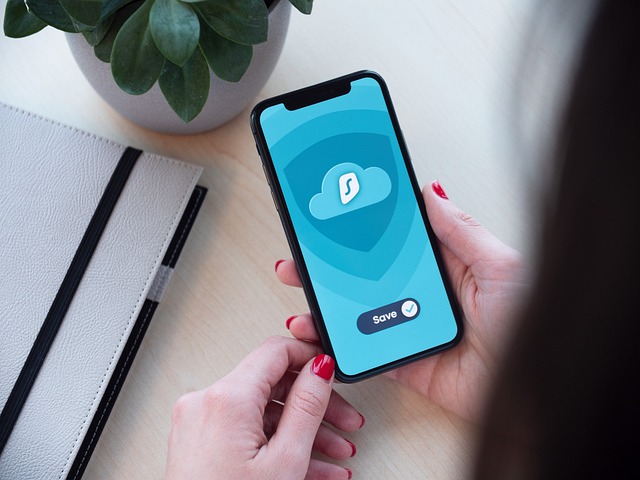
The Evolution of Device Tracking Technologies
Early phone tracking systems were primarily designed for locating lost or stolen devices. Their purpose was straightforward: recover the hardware rather than protect the information stored within it. Over time, integration with cloud ecosystems transformed “Find My Phone” into an advanced security utility capable of remote actions such as locking or erasing data. This shift aligned with the growing need to safeguard digital assets rather than merely recover physical ones. Advances in GPS precision, Wi-Fi triangulation, and cellular network signals have made these systems more reliable and accurate, enabling real-time device tracking even in complex environments like urban centers or corporate campuses.
Positioning “Find My Phone” Within Enterprise Security Policies
In enterprise contexts, “Find My Phone” complements endpoint protection systems and mobile device management (MDM) frameworks. It enables IT teams to maintain visibility over corporate-issued smartphones, tablets, and laptops. Beyond theft prevention, it plays a compliance role by supporting adherence to data privacy regulations such as GDPR or HIPAA through controlled data access and deletion protocols. Remote management capabilities also align with corporate cybersecurity standards that emphasize zero-trust principles—ensuring that every endpoint remains verifiable and controllable regardless of its physical location.
Data Protection Mechanisms Embedded in “Find My Phone” Systems
Modern implementations of “Find My Phone” incorporate layered defense mechanisms that go beyond tracking coordinates. These tools now act as digital gatekeepers that preserve confidentiality even when physical control is lost.
Remote Locking and Data Wiping Functions
Remote locking prevents unauthorized users from accessing sensitive files by instantly securing the interface once a device is reported missing. Data wiping functions extend this protection by allowing complete erasure of stored content through encrypted commands sent via the cloud. Encryption protocols ensure deleted information cannot be reconstructed even if the hardware is later recovered. Integration with identity verification systems—such as biometric authentication or secure tokens—adds an additional layer of control over who can initiate these remote actions.
Geofencing and Real-Time Monitoring Capabilities
Geofencing allows administrators to define virtual boundaries around safe zones such as office premises or restricted areas. When a device leaves these zones, automated alerts are triggered for immediate response. Continuous real-time monitoring enables organizations to analyze movement patterns for anomalies that could signal potential compromise or misuse. At both personal and enterprise levels, these functions serve as effective risk mitigation strategies by combining situational awareness with rapid intervention capabilities.
The Interconnection Between “Find My Phone” and User Authentication Models
The convergence between device tracking tools and authentication systems reflects a broader trend toward integrated identity management within cybersecurity design.
Multi-Factor Authentication (MFA) Integration
When linked with MFA frameworks, “Find My Phone” enhances login security by associating user identities with verified devices. If a phone used for authentication is lost or stolen, administrators can immediately revoke its authorization rights across all connected platforms. This linkage reduces exposure to credential-based attacks since compromised devices can no longer generate valid authentication tokens. It also supports adaptive authentication models where system access dynamically adjusts based on device trust status.
Device Ownership Verification and Access Control
Ownership verification ensures that only registered users maintain operational control over their devices through validated credentials stored in secure servers. In enterprise settings, this mechanism acts as an additional checkpoint before granting access to internal networks or confidential databases. By confirming legitimate ownership before reactivation or data restoration, organizations minimize insider threats and prevent unauthorized usage following device loss.
Privacy Considerations in the Use of Tracking Technologies
While “Find My Phone” strengthens digital safety, its implementation raises legitimate questions about user consent and privacy boundaries.
Balancing Location Transparency and User Autonomy
Continuous location tracking can create tension between transparency and autonomy if not managed responsibly. Ethical deployment requires clear communication about what data is collected, how long it’s retained, and who can access it. Transparent policies build trust among users while opt-in mechanisms preserve individual choice over participation in location-based services. Many organizations now adopt privacy-by-design principles to integrate consent controls directly into their tracking interfaces.
Compliance With Global Data Protection Regulations
To remain lawful across jurisdictions, tracking systems must comply with frameworks like GDPR in Europe or CCPA in California. These regulations mandate data minimization—collecting only what’s necessary for legitimate purposes—and require secure processing methods for location information. Regular audits help verify compliance while maintaining accountability for how geolocation data is stored or shared with third parties.
The Future Direction of “Find My Phone” in Data Security Architecture
As technology ecosystems expand beyond smartphones to interconnected devices, the strategic role of tracking solutions continues to evolve toward predictive intelligence and unified endpoint defense.
Integration With Artificial Intelligence for Predictive Security Responses
Artificial intelligence introduces new possibilities for proactive protection within “Find My Phone.” Machine learning models can analyze behavioral patterns—such as travel routes or usage times—to detect deviations suggesting theft or compromise before damage occurs. Predictive analytics may forecast potential misuse scenarios based on contextual signals like abnormal movement speed or unexpected network connections. Automation further enhances incident response by initiating predefined actions such as alerting administrators or isolating compromised endpoints without manual input.
Expanding Beyond Mobile Devices to Unified Endpoint Protection
The concept now extends beyond smartphones to include laptops, wearables, IoT sensors, and other smart endpoints within connected ecosystems. Centralized dashboards enable administrators to monitor all registered assets from one interface while applying consistent security policies across diverse hardware types. This convergence supports holistic asset protection strategies where every node—from a smartwatch to a company laptop—contributes to collective resilience against cyber threats.
FAQ
Q1: How does Find My Phone contribute to overall cybersecurity?
A: It acts as both a recovery tool and a defensive mechanism by securing data through remote locking, encryption, and monitoring capabilities integrated into broader security frameworks.
Q2: Can enterprises use Find My Phone features on employee devices?
A: Yes, many organizations integrate these features within MDM platforms to track corporate assets while complying with privacy laws through transparent consent policies.
Q3: Does using Find My Phone compromise personal privacy?
A: Not inherently; responsible use supported by opt-in mechanisms and clear disclosure prevents misuse while maintaining user autonomy over location sharing.
Q4: What happens when a stolen phone is wiped remotely?
A: The device’s storage is erased using encrypted commands that make recovery impossible even if physical possession changes hands.
Q5: Will AI change how Find My Phone works?
A: AI will enhance predictive detection by identifying unusual behavior patterns before breaches occur, making future versions more anticipatory than reactive in securing devices across networks.