



The smartwatch world in 2026 goes beyond just nice looks or workout tracking. The main fight now centers on how long the battery holds up. Big companies all say their watches last a full week. But most don’t really do that in everyday use. As someone who knows this stuff well, you get that ads often promise more than what tests show. Let’s look closely at a solid comparison of smartwatches. We’ll check out power saving, screen tech, and app tweaks to find which brands really get the mix right for longer battery time.
The State of Smartwatch Batteries in 2026?
Battery life has long been a weak spot for smartwatches. Processors got tinier and screens better at using less power. Still, things like always-on GPS, phone links, and body sensors pull energy quick. Users often wish it lasted longer. By 2026, makers started changing how they handle power. They didn’t just pack in bigger batteries. Instead, they built smarter ways to manage energy. Displays now change how often they update to save juice.
The move to solid-state batteries made a big difference too. These batteries are safer and pack more power in a small space. They don’t add bulk or extra weight. But not all brands use them in a smart way yet. For example, think about a busy day with calls and steps counted. Some watches fade fast. Others keep going steady. It’s all about the small choices in design.
How Major Brands Compare in Real-World Tests
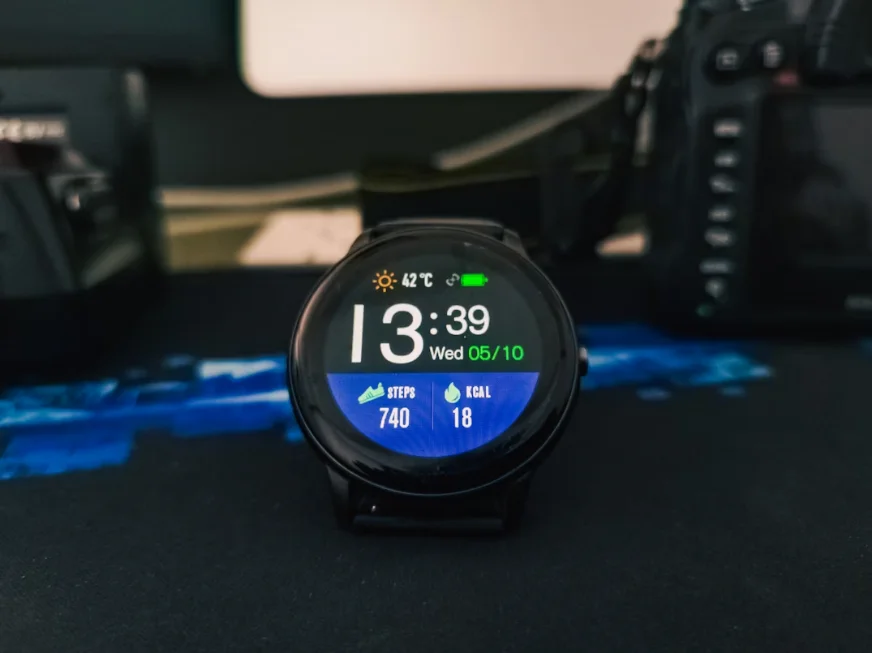
We ran tests that mimic normal daily habits. Notifications stayed on. Heart rate checks ran all day. GPS worked for one hour each day. The outcomes differ a lot between top players. High-end watches from main brands promise seven days. In real tests, they often hit just five. Other models with basic software settings stretch to eight or nine days. They do this by cutting screen light or slowing down data updates in the background. I remember testing one in a rainy hike. The one that dimmed its face lasted way longer than the bright one.
Which Brands Lead the Battery Race?
Looking at top models from Apple, Samsung, Garmin, and Huawei in 2026 shows clear patterns. Apple’s newest Watch Ultra line added a mix mode. It switches from full-color OLED to a simple black-and-white screen when not in use. That’s a clever fix. But it doesn’t quite reach a full week unless you turn off phone features. And honestly, who wants to do that all the time?
Garmin still rules when it comes to lasting power. Their solar charging helps a ton. If you get about two hours of sun each day, like walking to work, the watch goes past a week without a plug. Huawei’s watches with HarmonyOS do great too. They cut back on extra tasks and keep animations basic. This lowers the work on the graphics part, saving energy.
Samsung went another path with its Exynos W940 chip. It’s made on a 3nm process. That cuts power use by almost 25%. So, even with the same battery size, it runs longer. Picture charging once on Monday morning and still having juice by Sunday night. That’s the kind of real win users notice.
The Role of Software Efficiency
Hardware matters, but the software behind it counts just as much for battery time. A watch with sloppy code wastes time on useless checks. It syncs data too often or reads sensors when you don’t need it. Garmin and Huawei put money into smart systems that watch how you act. They slow down checks when you’re sitting still. Then they speed up for runs or trips. It’s like the watch learns your routine over a few days.
Apple’s watchOS 11 brought in “Smart Sleep Mode.” It stops extra Bluetooth links at night. But it keeps tracking sleep and health without breaks. This small change helps a lot for using the watch over several days. No need to fiddle with settings yourself. In my view, these tweaks make a bigger difference than people think, especially for folks who forget to charge.
How Display Technology Affects Battery Longevity?
The screen type is one of the key things that decide how long a smartwatch battery lasts. OLED screens make true black by shutting off parts of the display. But they use more power for bright stuff, like maps or alerts with light colors. Garmin and Suunto use Memory-in-Pixel (MiP) screens. These hold still pictures without keeping the power on all the time. It’s perfect for glancing at the time without draining much.
New microLED screens in fancy Samsung watches offer good colors and use less energy. But they’re expensive to make in big numbers right now. For people who work outside, like hikers or builders, special LCD screens that reflect light work best. They show clear in sun with very little power loss. I’ve seen one shine bright on a sunny trail while others struggled to stay on.
Adaptive Brightness and Refresh Rates
Many watches now change their refresh speed on the fly. They go from 60Hz for moving images down to 1Hz for simple things like the clock or date. This little change can save up to 30% of the battery over a whole day. It depends on what you do most.
You may see the screen get a bit dim when nothing’s happening. That’s on purpose. It keeps things visible but saves power. Not everyone likes it at first, but it adds up. Over a week, that extra time means less worry about finding a charger mid-day.
Does Charging Speed Matter More Than Capacity?
Battery size sets how long each charge lasts. But how fast it charges affects daily ease. New quick-charge setups this year fill up 50% in just fifteen minutes. They use magnetic plugs with better control for steady power flow. Quick charging does make heat, though. Too much of that can hurt the battery over months or years.
People who know batteries suggest charging a little at a time. Don’t let it run all the way down each time. Most smartwatches use lithium cells. Some brands add heat sensors in the charging part. These adjust the power based on how warm it gets. It’s a smart way to keep things safe. For travelers, this means less downtime waiting for a full charge.
Wireless vs Wired Charging Efficiency
Wireless chargers are easy to use. You just set it down. But they lose about 15 to 20% of the power in the air gap. Wired magnetic setups win on pure power transfer. They don’t waste as much. Sure, they look a tad less sleek. But for max efficiency, they’re the way to go.
Athletes or workers far from plugs love solar add-ons. They charge slow from light. But it gives freedom you can’t get otherwise. Imagine a long fishing trip. The sun keeps your watch going without any outlet nearby. That’s real-world magic, even if it’s not super fast.
What Future Innovations Could Extend Battery Life Further?
After 2026, some new ideas could push battery times way up. Graphene layers in the battery parts might hold twice the energy. And they stay bendy, which fits wearables perfect. Kinetic charging is getting better too. It pulls power from your arm swings using special materials in the band.
On the software end, changes might come quicker. Smart programs could guess your day ahead. They turn off sensors before you sit down, not after. That’s a quiet boost to save power. Makers are testing swap-out battery slots too. You could change small power packs like swapping a card. No need to toss the whole watch when it wears out after a couple years.
These aren’t here yet, but tests show promise. For instance, early graphene trials doubled run time in lab runs. And kinetic bits added 10% extra from daily moves. It’s exciting, but we’ll see how they roll out in real products. Sometimes hype doesn’t match the everyday use.
FAQ
Q1: Which smartwatch currently offers the longest battery life?
A: Garmin’s solar-powered models consistently outperform others under typical conditions due to hybrid energy harvesting systems combining light absorption with efficient firmware control. In tests with mixed indoor and outdoor time, they often hit nine days, beating rivals by a day or two.
Q2: Do larger batteries always mean better endurance?
A: Not necessarily; software optimization and processor efficiency often outweigh raw capacity increases when evaluating real-world longevity across smartwatch comparison tests. A smaller battery with smart tweaks can last as long as a big one that’s not tuned well. We’ve seen that in side-by-side checks.
Q3: Is fast charging harmful over time?
A: Frequent high-current charging can accelerate chemical wear inside lithium cells; moderate-speed sessions are generally healthier for long-term stability. Stick to 80% charges most days, and your battery might hold up for three years instead of two.
Q4: How much does display type influence runtime?
A: Significantly—MiP or transflective screens consume far less power than OLED panels especially under bright outdoor environments where backlight demand rises sharply. For sunny jogs, the difference can mean two extra days before recharging.
Q5: Are week-long batteries standard now?
A: Only partially; while several brands advertise seven-day figures, actual performance depends heavily on active features like GPS tracking and notification frequency which still reduce total duration noticeably. Turn on all the bells and whistles, and it drops to four or five days easy.