



The 2026 Tablet Hierarchy: Pro, Air, or Base Model?
In 2026, the tablet market has grown up into a simple three-part setup: Pro, Air, and Base models. Each part aims at folks with different needs. Some are pros in art or design, others just want something easy for daily fun. When you think about which one suits your routine or way of life, it’s not only the list of parts. It’s how those parts make things work better in everyday spots. This buying guide for tablets goes over the setup bit by bit. You can pick one that matches what you need in speed and how much cash you have. For instance, if you’re a teacher grabbing one for class notes, the choice changes from a gamer’s view.
Where Does the Pro Model Stand?
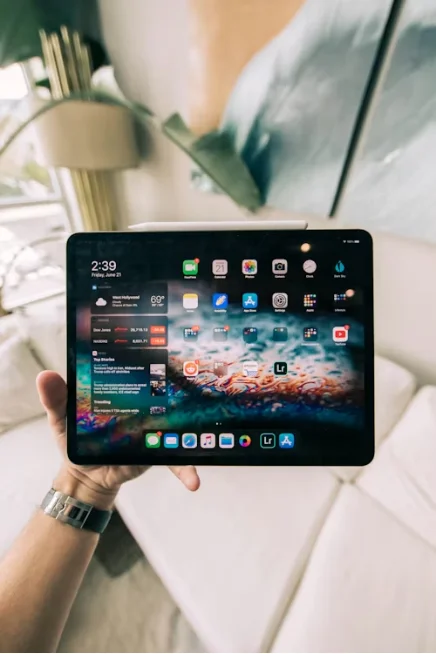
The Pro group keeps leading chats among workers who use tablets instead of full laptops. These tools usually pack the newest chips, better screen tricks, and strong help for add-ons. The 2026 Pro tablets come with mini-LED or OLED faces that show true colors and get super bright, past 1000 nits. That’s great for those who cut videos or make digital drawings. In busy studios, like ones for movie effects, this brightness cuts glare on big projects.
Performance and Processing Power
Pro types often mix in top chips that match what a desk machine does. You see setups with up to 16GB of RAM. Storage goes over 1TB. That kind of strength lets you juggle tasks without hitches in tough apps, such as CAD programs or tools for 4K video work. For people skilled in making designs or checking data, this speed means no waits when jobs pile up. Take a graphic team; they run layers of images without freezing, saving hours each week.
Display Quality and Refresh Rate
Changes in screens stand out as a big split in the Pro area. Most now handle shifting refresh speeds up to 120Hz. This boosts how exact the pen feels and makes sights flow smooth. Paired with HDR okay, these faces match work screens in sharpness. If your job relies on true sights, like sorting photo tones or shaping building plans, this group is tough to skip. Architects, for example, use them to zoom into tiny lines without blur, which helps spot errors early.
Connectivity and Ecosystem Integration
One key part of Pro tablets is their link tools: Thunderbolt spots, fit with Wi-Fi 7, and wider help for side gear via dock bases. This fits mixed work styles. You can go from hand-held to desk view without trouble. It’s common in offices where teams switch setups daily, like from a meeting room to a home desk.
How Does the Air Model Bridge the Gap?
The Air types rest easy between speed and carry ease. They pull in people who want good work power. But they don’t call for full heavy machine parts. In 2026, these middle tablets got slimmer. Yet they handle more, thanks to smart chip plans taken from old Pro lines. Sometimes, you notice how they feel lighter in a backpack for long trips.
Balanced Performance for Professionals on the Go
Air types often use chips one step behind Pro ones. But they still give solid daily speed for work apps, writing notes, and easy art jobs. Battery time usually goes over ten hours for varied tasks. That’s a good balance for advisors or school kids who hop from talks to classes. No need to charge every few hours. Consultants often carry them on trains, pulling up files without drain worries.
Display and Build Considerations
Air screens might not hit the light level or speed of Pro faces. They do offer stuck layers with big color spans. This works for watching stuff or showing slides. The metal frame keeps it strong without extra weight. Most weigh under one pound. That makes it simple to hold for hours, like during a video call or reading session.
Price-to-Performance Ratio
For lots of folks looking at choices in a tablet buying guide, the Air line shows the top deal for money. It keeps high-end bits like pen help and key add-ons. The price stays in a middle slot that draws work folks and fun seekers. Around 600 dollars base, it feels fair for what you get, especially if you add cases later.
What Defines the Base Model Experience?
Base type tablets keep working as easy ways into today’s tech groups. They focus on light use, like playing shows, looking online, or scanning papers. But each new batch adds small steps up. This turns them into handy backup tools. In homes with kids, they become quick grabs for homework checks.
Everyday Usability
These tablets mostly have plain chips with 4GB to 6GB of RAM. That’s plenty for easy switches between apps in simple loads. The screens stay as LCD but show better dark-light plays than past ones. For homes wanting shared tools or school tasks, base types give steady work without mess. A family might pass it around for recipes or maps, and it never skips.
Software Longevity
Makers have stretched software care times for base types lately. From day one, count on about five years of OS fixes. This keeps safety updates and new bits coming. It’s a big point when you weigh long-run worth. Without fresh software, gadgets gather dust quick, but these stay useful, like an old phone that still runs apps years on.
Accessories and Expandability
Though add-on groups are smaller than top levels, simple key tops and pens now fit many old batches. This sharing across types cuts the full cost of keeping it over years. You buy once and reuse, which adds up in savings for budget homes.
Which Model Fits Your Workflow Best?
Selecting between Pro, Air, or Base hinges on how much you push your tablet each day. If tasks need big number work or top art results, Pro beats all, even with high tags. For fair move-around with decent strength, Air makes a good middle path. And if low cost tops the list, while keeping basics like cloud links and app worlds, Base stands firm. Also, keep in mind software groups matter here. Task-sharing skills have grown a lot in all parts by 2026. Bits like split windows and outer screen help mix up lines between tablets and laptops. In real life, this means using one for sketches then hooking to a big display for shares. Not every user needs the flash, but the basics cover most days.
FAQ
Q1: How do I decide between a Pro and an Air model?
A: If your routine calls for big apps like video cuts or data shapes, choose Pro. If not, Air gives enough skill at less spend.
Q2: Are Base models sufficient for students?
A: Yes, they deal with note apps, paper fixes, and web hunts well. Plus, the battery lasts a full school day.
Q3: Do all tablet tiers support stylus input?
A: By 2026 most big makers add pen fit to every part. But exactness changes with screen type.
Q4: How long can I expect software updates on these devices?
A: Major brands give about five years of OS updates. This keeps work going strong over time.
Q5: Is it worth upgrading from an older Air model to a new one?
A: If your now tool lags on many tasks or misses fresh links like Wi-Fi 7, then yes. It brings clear gains in quickness, smooth runs, and fit with others.