



Best Satellite Internet 2026: Why Starlink Isn’t the Only Choice Anymore
Satellite internet has changed quickly in recent years. It has changed how people in far-off places get online. By 2026, one company no longer rules the market. Starlink is still a well-known name. But now, other companies have stepped up with better tools, fair prices, and wider reach. For folks in the telecom field, this change means a fresh start. Here, how well things work and plans for satellites in space count more than just knowing the brand.
The Evolution of Satellite Internet Technology
The growth of satellite internet went from big, old-style setups to groups of satellites in low Earth orbit. These new groups cut down wait times a lot. Old providers like HughesNet and Viasat used satellites far up, about 35,000 kilometers away. That caused long delays. It made things like playing games or talking on video calls tough. New setups run in orbits from 500 to 1,200 kilometers high. So, wait times now match some ground-based internet services.
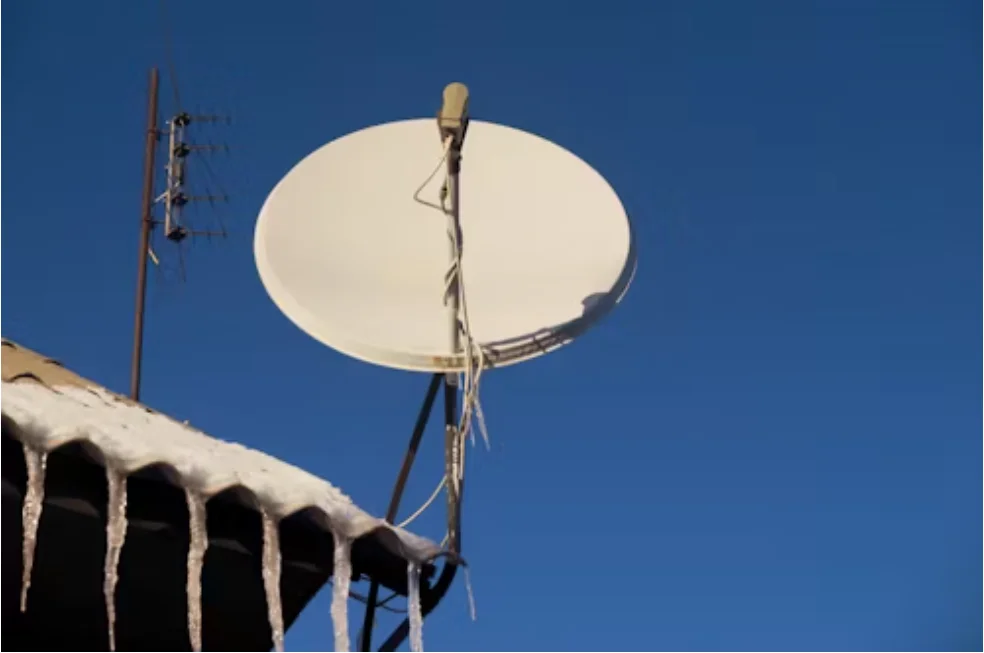
From Geostationary to LEO Networks
LEO networks rely on many small satellites. Sometimes hundreds or thousands of them team up for steady coverage. This change brings quicker data flow. It also adds backup if one satellite stops working. Picture swapping one huge road for lots of little paths that link up without a hitch. Firms such as OneWeb and Amazon’s Project Kuiper use this method. They push into areas that lack good connections. I recall a time when rural farms in the Midwest struggled with spotty signals. Now, these networks make steady access possible there.
Latency and Bandwidth Improvements
Wait times fell from more than 600 milliseconds in old systems. Now, in fresh LEO setups, they sit around 20 to 40 milliseconds. That big drop helps with uses like doctor visits from afar or quick stock trades. Users get more bandwidth too. This comes from tech that shapes signals into beams. Plus, ways to reuse radio waves let satellites aim at certain spots without messing up others. Take online classes, for example. Kids in remote villages can join without the lag that used to frustrate everyone.
Why Starlink Is No Longer Alone?
Starlink started the push for everyday LEO links. But now, fresh players challenge it. They match or beat Starlink in some spots by 2026. Rivals compete on reach, how much data they handle, rules from governments, and costs that fit budgets.
The Rise of OneWeb
OneWeb bounced back from money troubles. It rebuilt its group of satellites. Now, it gives strong services for businesses in Europe, Africa, and some Asian areas. It teams up with local phone companies. That helps blend into nearby setups. For people in hilly spots or near the poles, where laying cables is hard, OneWeb’s satellites that circle the poles keep signals steady. In places like the Scottish Highlands, where weather often cuts lines, this reliability shines through.
Amazon’s Project Kuiper
Amazon’s Project Kuiper plans to put over 3,000 satellites in space by the middle of 2026. It ties into Amazon Web Services, or AWS. This lets companies control their data paths using cloud tools. That proves handy for big operations with many smart devices. Its deals with internet service providers might change how data spreads around the world. Imagine shipping firms tracking cargo across oceans. Kuiper could make that smoother with built-in cloud smarts.
Regional Players Expanding Reach
Besides the big worldwide names, local companies are growing too. In Australia and Southeast Asia, groups launch small satellite fleets. These fit needs for ship talks and quick help after storms or floods. Such focused services highlight how satellite internet spreads out. It goes beyond home use into factory and work needs. For instance, fishing boats off Indonesia now stay linked for safety updates, something rare just a few years back.
What Makes Satellite Internet Competitive in 2026?
Just how fast it runs does not decide winners now. Ways to price it, following rules, saving power, and working well with other systems all matter a lot. These factors help pick the top provider for tomorrow’s links.
Pricing Models Shifting Toward Flexibility
Plans to pay have changed from steady monthly bills. Now, they lean toward charges based on how much you use. This suits fields like farming or travel spots that see busy times and quiet ones. It draws in companies in out-of-the-way places. Their needs for internet go up and down with the seasons. A farmer might only need strong signals during harvest. Flexible plans cut waste and fit real life better.
Sustainability and Energy Efficiency
Being kind to the planet counts more as rules on launches and space junk get stricter. Companies build satellites that can drop back to Earth on purpose. They burn up safely when done working. This cuts risks of crowded space. Think about it: with so many satellites up there, avoiding collisions keeps things safe for all. Providers focus on this to meet green goals and keep operations smooth.
Integration With Terrestrial Networks
The top systems mix satellite paths with ground wires. They use smart boxes that switch between cable, phone towers, and space links. These switches happen based on how strong the signal is. Such mixed setups stop blackouts in bad storms or when power fails. In hurricane-prone Florida, for example, homes stay online by flipping to satellites when lines go down. This blend makes service tougher and more dependable day to day.
Challenges Facing the Industry
Progress has come, but hurdles block full match with cable or fast phone nets. These issues linger before satellite catches up everywhere.
Spectrum Allocation Conflicts
Fights over radio waves grow as more satellite groups start. Watchdogs have to weigh new ideas against keeping signals clear. This happens when systems overlap on the same waves. It’s like sharing a busy channel on a walkie-talkie. Too much chatter causes mix-ups. Regulators step in to sort it out, but it slows some rollouts.
Infrastructure Costs
Sending up thousands of satellites costs a ton, even with rockets that fly again. Launch prices dropped, sure. But small companies often join forces or share rides to afford it. This keeps them in the game without breaking the bank. From what I’ve seen in industry reports, partnerships like these have saved millions on single missions.
Regulatory Barriers Across Borders
Rules differ by country for running satellites and setting up base stations. Getting through these laws adds headaches when growing across lines. Each place has its own red tape. It can delay plans, but smart teams navigate it step by step. For global reach, this patchwork of rules tests patience and planning.
Future Outlook for Satellite Internet Professionals
Come 2026 and later, workers in net building or wave rules will deal with a linked-up world. It mixes low-orbit groups with ground setups. The main job will turn to fine-tuning paths across layers of orbits, not just adding more room. Hubs that mix signals will handle jobs from low, middle, and high orbits. They will share data space as needed. This setup gives business users uptime over 99 percent. On the home front, more people will sign up as gear gets cheaper. Antennas that cost thousands before now sell for under $400. Better ways to build them with flat panels help. Picture a family in Alaska finally streaming movies without buffering. That’s the real win. Plus, as 5G spreads in cities, satellites fill the gaps in between, creating a web of connections that feels seamless. Experts predict that by 2030, over half of remote users will rely on these hybrids daily.
FAQ
Q1: What distinguishes LEO from GEO satellites?
A: LEO satellites stay closer to Earth, at heights from 500 to 1,200 km. GEO ones sit at 35,000 km away. This near spot cuts wait times and speeds up data flow. It fits well for fun stuff like games or chats on video.
Q2: How does Project Kuiper differ from Starlink?
A: Project Kuiper links right to Amazon Web Services, or AWS. It lets cloud tools guide data paths. The focus stays on big business links, not just home users.
Q3: Can satellite internet compete with fiber connections?
A: Fiber gives top speeds in cities still. But new satellite setups match it for daily tasks where wires can’t reach. It’s a solid pick for most web needs in tough spots.
Q4: Are there environmental concerns about launching so many satellites?
A: Yes, handling junk in space worries folks. But most fresh satellites have built-in ways to fall back and burn up after years of work. This helps keep orbits clear over time.
Q5: Will prices drop as more providers enter the market?
A: More rivals usually mean lower costs. Plans that charge by use are popping up. They help draw in far-off companies and homes looking for affordable ways to connect.