



2026 SpaceX Launch Calendar: Every Planned Mission
The coming 2026 SpaceX launch plan looks set to be one of the busiest in the company’s past. It mixes business loads, trips with people on board, and tests for Starship. This year marks a key point in Elon Musk’s big dream of travel between planets. If you follow the growth of rockets that can fly again and ways to handle things in space, 2026 brings a full list of starts that push what engineers can do and build ties around the world. I remember watching early launches, and it’s wild how far they’ve come—almost like science fiction turning real.
Overview of the 2026 SpaceX Launch Schedule
SpaceX’s 2026 lineup should have over 60 trips to space using Falcon 9, Falcon Heavy, and Starship. The steady pace shows how the company keeps quick turnarounds for its rockets that fly back. They grow work at places like Cape Canaveral, Vandenberg Space Force Base, and Starbase in Texas.
The firm keeps leading the world launch business with its steady work and low costs. Every trip adds facts that improve coming back to Earth just right, ways to add loads, and systems that land on their own. You will see both deals with the government—like NASA sending crews—and private satellite sends filling most of the days.
Take last year’s numbers, for example. They hit over 90 launches in 2023, and 2026 could top that if things go smooth. It’s not just about speed; it’s about making space open to more folks.
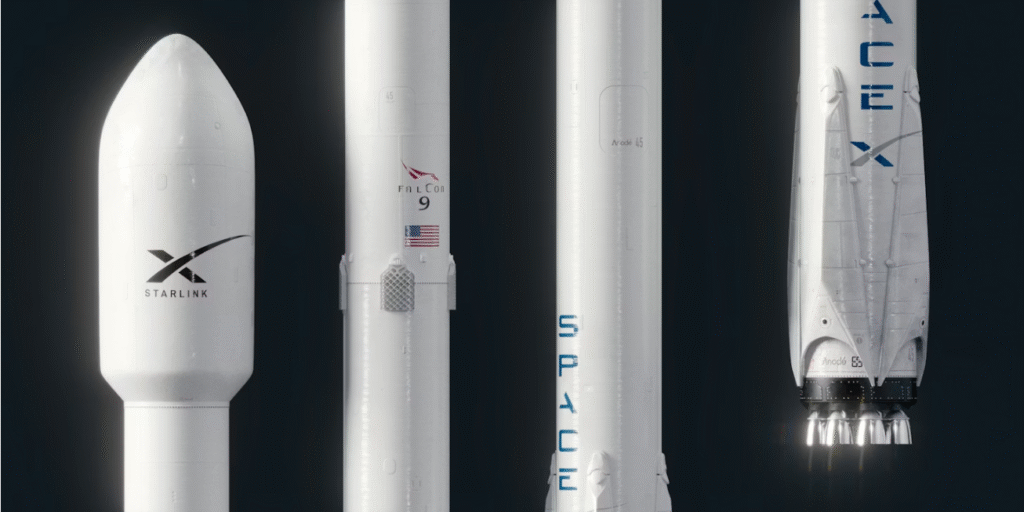
Key Mission Categories
SpaceX splits its yearly list into a few types of trips: business communication satellites, loads for government and defense, flights with crews under NASA’s Commercial Crew Program, runs to bring supplies to the ISS, and tests with Starship that try new things. The mix between these types shows how SpaceX keeps money coming in. At the same time, it moves ahead with big research aims. Sometimes, you wonder if they ever sleep with all this going on.
What Are the Major Crewed Missions Planned?
Trips with people stay at the heart of SpaceX’s image to the public. In 2026, several Crew Dragon flights will keep helping the International Space Station (ISS). These trips do more than swap out space travelers. They also bring tools for tests in low gravity too.
Picture this: astronauts floating around, running experiments on how plants grow without Earth’s pull. That’s the kind of stuff these missions make possible.
NASA Crew Rotations
NASA’s Commercial Crew Program will have at least two set launches on Crew Dragon capsules in 2026. Each one usually takes four space travelers for stays of six months on the ISS. The fact that they reuse Dragon capsules—many times three or more—shows how fixing them up is now normal. It’s not some wild test anymore.
Private Astronaut Flights
Besides deals with NASA, private trips like those in the Polaris Dawn style should keep going. These flights mix goals for study with ways to reach out to people and money from sponsors. They also act as real checks for systems that keep life going. Later, those could work for trips far into space. It’s exciting to think about everyday people heading up there soon.
How Will Starlink Shape the Launch Cadence?
Starlink stays a main part of SpaceX’s way of doing business. The group of satellites needs steady sends to keep internet coverage all over the globe. By 2026, they plan thousands more in low Earth orbit (LEO). That could push the total working ones past 20,000 if rules from officials keep moving forward.
Right now, Starlink serves remote spots like farms in Iowa or islands in the Pacific. Expanding it means more reliable web for everyone.
Batch Deployments and Reuse Strategy
Each Falcon 9 Starlink launch often carries about 22–23 satellites per go. Boosters get reused up to fifteen times or even more. So, these flights show smart planning and how tough the parts are. This quick reuse lets them launch every week when the sky is clear and spots are open.
Expansion Toward Gen3 Satellites
The new Starlink V3 satellites weigh more and do better than the old ones. They have better laser links for quick data moves between paths in orbit. To lift their weight, some groups might go on Falcon Heavy. Or, they could use early working Starship vehicles once they get okayed for space jobs.
Imagine downloading movies in seconds from space— that’s the goal with these upgrades.
What Role Will Starship Play in 2026?
Starship should shift from early models and tests to first real uses in this time. If it works well, it will decide if sending big loads past Earth’s pull becomes something businesses can do affordably this decade.
Engineers have poured years into this beast. One delay in testing can feel like forever, but progress is steady.
Orbital Test Flights
After a few short jumps below orbit in years before, full trips around Earth are set for all through 2026. These focus on coming back from space safely. They aim for soft drops in water or lands at set spots near Hawaii or the Gulf Coast.
Lunar Cargo Demonstrations
SpaceX has deals with NASA under the Artemis program for moon lander work based on Starship design. Some tests in late 2026 might act out paths to send loads toward space near the moon. This comes before landings with people planned for years after. It’s a step-by-step build-up, much like climbing a ladder to the stars.
Which Commercial Payloads Are Scheduled?
Business clients keep picking SpaceX for good prices and easy booking times. In 2026, a few big-name satellite groups will lift off on Falcon Heavy rockets from Florida’s Kennedy Space Center.
These aren’t just any satellites; they’re key for TV signals and phone links worldwide.
Telecommunications Satellites
Big telecom companies plan sends of satellites to spots fixed over Earth using Falcon Heavy setups. These can put over eight metric tons right into paths to GEO. Such trips show how old satellite runners depend on SpaceX. This holds even with new rivals like Arianespace’s Ariane 6 or ULA’s Vulcan Centaur.
Scientific Instruments and Earth Observation
Companies watching Earth also stand out in the list with cameras and tools for checking weather changes and farm data. These trips gain from exact places in orbit. That lets many satellites share a ride if they need the same paths.
For instance, a batch might include sensors spotting forest fires early, saving lives down here.
How Does Reusability Influence Schedule Reliability?
Using rockets again sits right at the center of why SpaceX can keep such a busy flight rate without cutting safety or watching costs too close. Every booster gets a check after flying that takes about three weeks. Then, it’s ready for the next job.
Booster Performance Tracking
Data from inside across hundreds of starts gives sure stats on how long parts last. Engines like Merlin-1D keep steady work even after ten or more uses. This steadiness turns into schedules you can count on. That’s because fewer holds come from problems making new ones.
I’ve seen videos of boosters landing like clockwork—it’s almost poetic in its precision.
Turnaround Time Improvements
By adding machines that fix launch pads on their own at Cape Canaveral’s LC-40 and Kennedy LC-39A, wait times keep getting shorter each year. Some boosters now go up again in just ten days. People once thought that was not possible in the first Falcon test days.
What Challenges Could Affect the Timeline?
With good drive, a few outside things could change exact start dates in the set plan.
Launches are like dances with nature and rules—sometimes you step on toes.
Weather Constraints
Florida’s summer storms often mess up count-down times because of lightning danger or strong winds high up over the ocean spots for coming back. Extra time slots help fix most waits. But now and then, they push later trips back by a few days.
Regulatory Reviews
As Starship work grows past U.S. air paths, talks with groups from other countries become key. For example, Mexico’s air office needs to okay flights over their land during come-back routes. This can slow okay steps even if the tech is ready. In one case last year, a simple paperwork snag held things up for weeks—frustrating, but necessary.
FAQ
Q1: How many total launches does SpaceX plan for 2026?
A: Guesses point to about sixty trips to orbit over all rocket kinds if site fixes go as planned. That’s a lot, considering they started with just a handful years ago.
Q2: Will any Mars-related missions occur in 2026?
A: No straight Mars trip is set yet. But some Starship tests might try out paths like those for trips to Mars with loads later on.
Q3: How often will Starlink launches take place?
A: About one each week based on rocket readiness and open spots for firing most of the year. Weather can throw a wrench in that, of course.
Q4: What distinguishes Falcon Heavy missions in this calendar?
A: They mostly handle heavy business loads that need straight sends to GEO or paths far into space beyond what Falcon 9 can do alone.
Q5: Could delays shift major milestones like lunar test flights?
A: Yes. Things like checks from the FAA or odd problems with parts could push key points back by months. Still, the main flow stays solid in other areas.