



Quantum Computing Explained: From Qubits to 2026 Breakthroughs
Quantum computing stands as one of the most thrilling areas in today’s science world. You probably know it’s not simply about quicker machines. It’s about a whole new approach to handling data. Classical setups rely on basic binary bits. But quantum devices work with qubits. These can hold several states all at the same time. This feature, plus things like entanglement and interference, offers huge promise. It helps solve tough problems that regular computers just can’t tackle easily. Think about cracking codes or modeling chemicals—tasks that stump even the biggest supercomputers today.
What Are Qubits?
The core of quantum computing is the qubit. It acts as a quantum version of the everyday bit. A standard bit sticks to just 0 or 1. A qubit, however, can be in both at the same time. This comes from superposition. So, it lets you deal with lots of options right away. That’s why a handful of qubits can beat millions of regular bits in certain jobs. For instance, imagine searching a huge database. A quantum setup might find the answer way faster than any laptop you own.
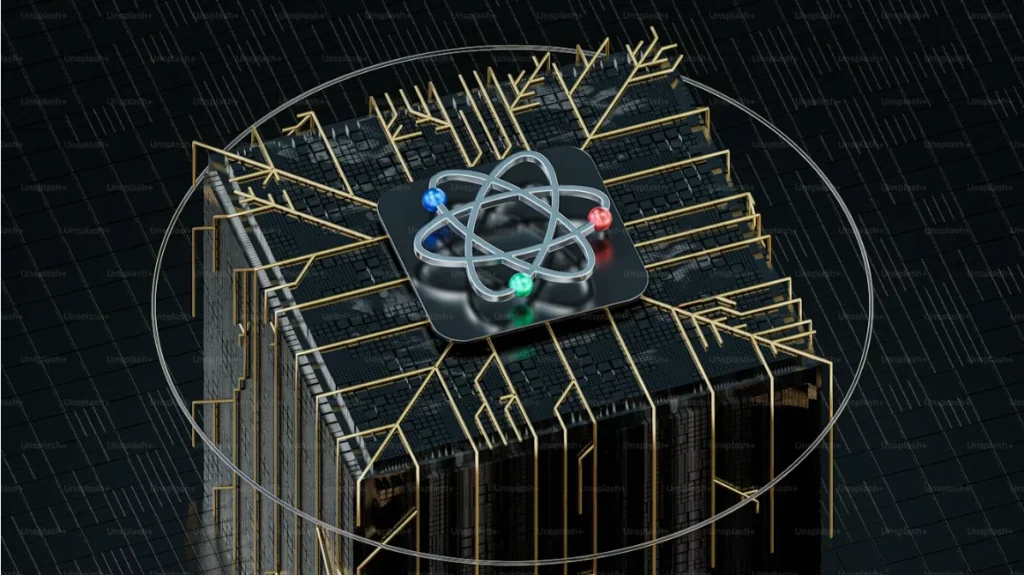
Physical Implementations of Qubits
People build qubits using different physical setups. These include superconducting circuits, trapped ions, photons, or flaws in diamond structures. Take IBM and Google, for example. They use superconducting qubits. These need cooling to almost absolute zero to stay steady. Trapped ion methods, by contrast, trap single atoms with electric fields. Then, lasers tweak them. Each way has its pros and cons. Some scale up better, others stay more stable, and a few handle errors with less trouble. In labs right now, teams test these daily to see what works best for real-world use.
The Challenge of Decoherence
Quantum states break easily. Any touch from the outside world can lead to decoherence. That’s the fading of quantum details. Keeping things steady long enough for real work is a major hurdle in engineering these days. Teams are crafting error fixes, like surface codes and topological qubits. These help fight the problem. But they demand lots of physical qubits to make just one solid logical qubit. That one can then do reliable tasks without glitches. It’s like needing a whole squad of helpers to get one expert player on the field—frustrating, but progress is coming.
How Does Quantum Computing Work?
Quantum computing follows rules from quantum mechanics. These rules go against everyday logic. But they are solid science. When you start a quantum program, it plays with chances instead of fixed answers. This setup lets it explore paths that classical machines miss entirely.
Superposition and Entanglement
Superposition lets qubits show many states together. Entanglement ties qubits close. So, a change in one affects the other right away, even if they’re far apart. Einstein once named this “spooky action at a distance.” It sounds weird, but it’s real. Both traits boost computing strength a ton over old-school systems. Picture two coins linked so flipping one decides the other instantly—no matter the distance. That’s the magic here, and it scales up fast as you add more qubits.
Quantum Gates and Circuits
Quantum gates tweak qubits much like logic gates shift bits in normal computers. Yet, these gates use special math moves. They rotate things in tricky math spaces. This keeps everything reversible and totals to 100% chance. A chain of gates builds a quantum circuit. You design it for jobs like breaking numbers apart with Shor’s algorithm. Or hunting data with Grover’s algorithm. In practice, coders sketch these circuits on paper first, then test them on small machines to spot fixes early.
Why Is Quantum Computing Important?
Quantum computing could change many fields. It touches cryptography, materials work, money matters, and finding new drugs. The speed and depth it brings might solve old puzzles in fresh ways. Plus, as hardware gets better, everyday businesses could tap into it without huge costs.
Cryptography Disruption
Today’s safe codes depend on math puzzles. Classical computers would need ages—millions of years—to crack them. Quantum tricks could do it in hours. They use the spread-out power of superposition. So, experts are rushing to build new safe methods. These are post-quantum cryptography standards. They aim to stay strong even when big quantum machines arrive. Governments watch this closely, knowing it could shift global security overnight.
Optimization and Simulation
Quantum machines shine at copying how molecules act. They do this down to the atom level. Classical big computers hit walls here. The math grows too wild too quick. This skill could speed up making drugs. Or it might help craft materials with exact traits. You’d skip slow lab tests and jump to predictions. In drug firms, for example, simulating a protein fold might take days now. Quantum could cut that to minutes, saving time and cash.
What Are the Major Breakthroughs Expected by 2026?
The coming years should deliver real steps forward. We’re heading to practical quantum advantage. That’s when quantum tools beat classical ones on real jobs. Experts predict steady gains, not overnight miracles. But by 2026, things could feel quite different in labs and companies.
Hardware Scalability
Firms like IBM lay out plans for chips over 1000 qubits by 2026. Better cooling gear and chip-making tricks will help. They allow bigger builds without more mess-ups from noise. Right now, a 100-qubit machine runs simple tests. Scaling to thousands means handling heat and signals just right. Teams in clean rooms tweak designs daily to hit these goals.
Quantum Networking
Work goes on to link small quantum chips into networks. They use tangled photons to send signals. This might build a “quantum internet.” It would offer super-safe data swaps. These rely on physics rules, not just math guesses. Imagine banks sending money details unbreakable by hackers. That’s the dream, and tests with fiber optics show promise already.
Software Ecosystem Growth
By 2026, tools like Qiskit or Cirq should mature more. They mix classical computers for planning with quantum parts for key steps. It’s like how graphics cards boosted AI over the last ten years. Programmers today mix code in Python with quantum bits. This hybrid way makes it easier for regular devs to join in without starting from scratch.
How Can You Prepare for the Quantum Era?
If you deal with high-tech computing or data work, start shifting your skills now. Learn basics of quantum coding. Things like math with complex numbers or building gate setups. It’s not as scary as it sounds—many online courses break it down simply. And hands-on practice beats theory every time.
Learning Tools and Platforms
Cloud services let you try things out without buying gear. You can send small circuits to actual machines through easy links from big companies. This helps check your ideas before big rollouts happen. For beginners, starting with a free account on IBM’s platform feels like playing with a new app—intuitive and rewarding.
Interdisciplinary Collaboration
Quantum grows best where fields meet. Physics joins computer science, plus engineering and math. Working across these areas matters a lot. No one group has all the fixes yet. In team meetings, a coder might explain software limits to a physicist. That back-and-forth sparks the best ideas.
Ethical and Economic Considerations
Like any big change, quantum tech brings tough questions. Who gets to use this strong computing power? Could it make gaps bigger between countries or big firms? On the money side, those who grab it first win big. They might use it for better planning or copying in key areas. I recall reading about a finance group testing quantum for risk checks—it cut errors by half in trials. Governments pour billions into programs worldwide. They want to stay in the game. At the same time, they set rules for fair play. This balances safety with sharing knowledge openly. It’s a delicate dance, but one worth watching as investments grow.
FAQ
Q1: What makes a qubit different from a regular bit?
A: A regular bit holds either 0 or 1. A qubit can exist as both at the same time through superposition. This allows parallel work across many states right away.
Q2: Why is decoherence such a big problem?
A: Even small bumps from the environment knock fragile quantum states back to normal ones. This wipes out the info before tasks end.
Q3: Which industries will benefit first from quantum computing?
A: Pharmaceuticals might lead with molecule models. Finance could use it for money plans. Logistics fits for path choices. These match quantum strengths well. Take shipping routes—quantum might plot the best path through traffic snarls in seconds.
Q4: When might we see commercial applications?
A: Some business uses pop up now through cloud tests. Wider rollout could hit around 2026–2030. That’s when stable qubits reach thousands. Early wins in small firms show it’s not just talk anymore.
Q5: Do you need physics training to work in this field?
A: Not really. You need ease with line math and chance ideas more than deep physics. New tools hide the hard parts. So, coders can jump in and help out effectively. Many switch from regular programming and pick it up quick with practice.