



Plug In America Published Its New EV Guide and the Nissan LEAF Is No Longer the Cheapest
The latest edition of Plug In America’s EV Guide reveals a significant market shift: the Nissan Leaf EV, once the most affordable electric car in the U.S., no longer holds that title. This change highlights how competitive pricing, evolving technology, and new entrants are reshaping consumer expectations. The guide’s updated benchmarks not only redefine affordability but also emphasize performance metrics and ownership value. For industry experts, this moment marks a turning point in how legacy EVs like the Leaf must adapt to sustain relevance in an increasingly crowded segment.
The Changing Landscape of the Electric Vehicle Market
Plug In America’s new guide arrives at a time when affordability and innovation define consumer interest. It serves as both a technical reference and a strategic indicator of where the EV market is heading.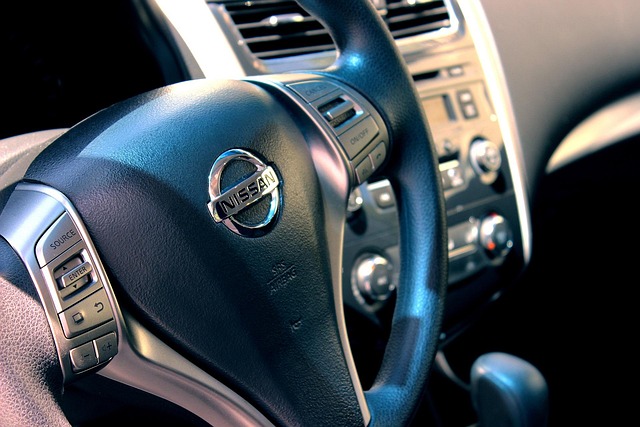
Overview of Plug In America’s New EV Guide
The guide aims to provide consumers and analysts with up-to-date insights into electric vehicle pricing, range, and efficiency. It assesses real-world performance by combining laboratory data with owner feedback, offering a balanced view of cost versus capability. Plug In America evaluates vehicles based on standardized criteria including energy efficiency, charging speed, warranty coverage, and total cost of ownership. Key updates include recalibrated affordability rankings due to falling battery costs and broader model availability from multiple automakers. These changes have influenced how consumers perceive value across brands.
Shifts in Market Dynamics Since the Guide’s Release
Since its release, the guide has altered competitive benchmarks among electric vehicles. Models from emerging manufacturers have undercut traditional leaders on price while offering similar or better range figures. This shift pressures established players like Nissan to reassess their pricing strategies for the Leaf EV. Legacy models now face competition from compact crossovers that combine higher capacity batteries with faster charging systems. Market trends show declining average battery costs per kWh and growing adoption of 800-volt architectures across premium segments, which gradually trickle down to entry-level models.
Evaluating the Nissan Leaf EV’s Current Market Position
The Nissan Leaf remains an important case study for understanding how early innovations evolve under modern competition. Its trajectory illustrates both technological progress and strategic inertia within legacy automakers.
Historical Significance of the Nissan Leaf EV
Introduced in 2010, the Nissan Leaf became one of the first mass-market electric vehicles globally. It played a pivotal role in normalizing EV ownership by offering a practical driving range for urban users and contributing to early charging infrastructure development. Over successive generations, it adopted larger batteries—up to 62 kWh—and improved aerodynamics while maintaining its compact hatchback form factor.
Comparative Analysis: Leaf vs. Newer Competitors
Today, newer entrants such as Hyundai’s Ioniq 5 or Chevrolet’s Bolt EUV offer longer ranges at comparable prices. The Leaf’s price-to-performance ratio has weakened as rivals deliver over 250 miles per charge compared to its approximate 150–212 miles depending on variant. Charging speed remains another limitation; while competitors support DC fast-charging above 100 kW, the Leaf still relies largely on CHAdeMO connectors capped at lower rates. Software integration also lags behind newer models that feature seamless smartphone connectivity and advanced driver-assistance systems with frequent over-the-air updates.
Economic Factors Influencing the Leaf’s Competitiveness
Economic context plays an equally critical role in shaping how consumers evaluate older models like the Leaf beyond pure performance metrics.
Pricing Trends and Incentive Structures
Federal tax credits under current U.S. policy frameworks can reduce upfront costs for qualifying EVs by up to $7,500, yet eligibility depends on domestic manufacturing criteria that some Leaf variants no longer meet. State-level incentives vary widely but continue to influence purchase decisions regionally. Depreciation remains steep for early-generation Leafs due to limited range perception among used buyers, affecting long-term value retention.
Total Cost of Ownership Considerations
Maintenance costs for the Nissan Leaf remain low because it lacks complex mechanical components found in internal combustion engines. However, replacement battery pricing still weighs heavily on total ownership cost once warranty coverage expires. Availability of public CHAdeMO chargers is declining as networks prioritize CCS standards, potentially raising charging expenses or inconvenience for owners relying on older infrastructure.
Technological Advancements and Their Impact on Market Standing
Rapid developments in energy storage and software ecosystems are redefining what constitutes competitiveness among electric vehicles today.
Battery Technology Developments Across the Industry
Industry-wide research into solid-state batteries promises higher energy density and improved safety profiles compared with conventional lithium-ion cells. Automakers investing in these technologies anticipate range increases exceeding 30% without proportional cost growth once production scales up. Nissan continues using nickel-manganese-cobalt chemistries that provide reliability but lag behind next-generation alternatives being piloted by competitors focusing on silicon-dominant anodes or solid electrolytes.
Software Ecosystems and Connectivity Features
Modern EVs operate increasingly as connected digital platforms rather than isolated hardware products. Over-the-air update capability allows manufacturers to deploy performance enhancements or bug fixes remotely—something only partially implemented in current Leafs through dealer-based firmware updates. Integration with home energy systems or smart grids remains limited compared with brands developing bidirectional charging solutions enabling vehicle-to-home power flow.
Consumer Perception and Brand Strategy Adjustments
Consumer priorities evolve quickly as technology matures; what once defined innovation now risks appearing dated unless continuously refreshed through design or software upgrades.
Shifting Consumer Expectations for Entry-Level EVs
Buyers now expect even entry-level models to exceed 200 miles per charge while supporting rapid recharging at public stations within half an hour. Infotainment quality has become a key differentiator alongside driving dynamics. Sentiment toward early-generation Leafs reflects appreciation for their pioneering role but recognition that they no longer set benchmarks for performance or connectivity.
Nissan’s Strategic Response to Market Pressures
Nissan has begun repositioning its electrification strategy through upcoming models like Ariya while exploring modular architectures that could underpin future compact EVs beyond the current Leaf platform. Partnerships with global battery suppliers aim to improve energy density and reduce production costs through localized gigafactory operations. These steps suggest gradual modernization rather than abrupt discontinuation within its product roadmap.
Future Outlook for the Nissan Leaf EV in a Maturing Market
As global markets transition toward full electrification mandates, legacy nameplates face renewed scrutiny regarding their long-term viability amid accelerating innovation cycles.
Anticipated Role Within Nissan’s Electrification Portfolio
The Leaf may continue serving as an accessible entry point within Nissan’s lineup alongside more advanced crossovers like Ariya targeting premium segments. Platform sharing initiatives could extend its lifecycle by integrating updated drive units or semi-solid-state battery packs under development across alliances with other manufacturers.
Long-Term Competitiveness Amid Accelerating Innovation
Pricing parity between internal combustion engines and electric vehicles is projected within this decade according to major market forecasts from BloombergNEF and IEA reports, implying intensified competition across all tiers. Regulatory frameworks emphasizing zero-emission targets will sustain relevance for compact EVs if cost structures align with mainstream affordability thresholds again through manufacturing efficiencies or regional adaptation strategies focused on emerging economies.
FAQ
Q1: Why is the Nissan Leaf no longer considered the cheapest EV?
A: Newer models from other automakers have entered lower price brackets while offering improved range and features, pushing the Leaf out of its former affordability lead.
Q2: How does Plug In America evaluate vehicles in its guide?
A: The organization uses standardized data points such as efficiency ratings, charging capabilities, warranty coverage, and user feedback to assess each model comprehensively.
Q3: What are current challenges facing CHAdeMO-equipped vehicles?
A: Declining network support as most public fast-charging infrastructure shifts toward CCS standards limits convenience for owners relying on older connectors.
Q4: How does depreciation affect long-term ownership costs?
A: Steeper depreciation reduces resale values significantly compared with newer models featuring extended ranges or faster charging options.
Q5: Could future battery advancements revive interest in older models like the Leaf?
A: Yes, if retrofittable solid-state or high-density packs become available at reasonable cost, they could enhance range performance enough to renew consumer appeal within secondary markets.