



Tata Motors Sees EV Demand Rise After West Asia Crisis
The West Asia crisis has reshaped global energy flows and consumer behavior. Disruptions in oil supply chains have led to record-high fuel prices, accelerating a transition toward electric mobility. In India, this shift is particularly visible through the growing popularity of the tata electric car lineup. Tata Motors, leveraging its early investments in electrification, now stands at the forefront of this transformation. The company’s focus on local manufacturing, advanced battery systems, and government-aligned initiatives positions it as a key player driving India’s EV momentum in the post-crisis era.
Shifting Market Dynamics in the Aftermath of the West Asia Crisis
Global markets have entered a period of recalibration following geopolitical disruptions. The energy sector, long dependent on stable oil trade routes, has been forced to adapt rapidly.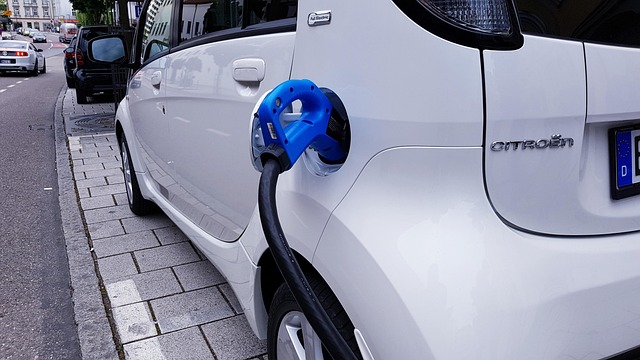
The Economic Ripple Effect on Global Energy and Automotive Markets
The crisis disrupted oil supply chains across major producing regions, tightening global supply and pushing up fuel prices. As transportation costs rose, consumers and businesses began seeking alternatives less exposed to volatility. Electric vehicles (EVs) emerged as a practical solution for both cost management and sustainability goals. Governments worldwide are reevaluating their energy policies to reduce fossil fuel dependence and strengthen renewable energy integration.
How the Crisis Reshaped Consumer Sentiment Toward Electric Vehicles
Rising petrol prices have made EVs more attractive as a hedge against unpredictable fuel markets. Consumers increasingly view EV ownership not only as an environmental choice but also as an economic safeguard. In India, cities such as Mumbai, Pune, and Delhi have seen noticeable growth in EV registrations. Awareness campaigns and peer influence are further accelerating adoption across semi-urban regions where affordability and reliability drive purchase decisions.
Tata Motors’ Strategic Positioning in the Emerging EV Landscape
Tata Motors has capitalized on this market momentum through strategic product development and ecosystem partnerships that align with national sustainability goals.
Expansion of Tata’s Electric Vehicle Portfolio
The company’s diversified portfolio includes models like the Nexon EV, Tiago EV, and Punch EV—each designed to cater to different consumer segments within India’s evolving mobility landscape. Modular platforms allow faster product cycles while maintaining cost efficiency. Continuous research into battery chemistry has enhanced range performance and reduced charging times, making tata electric car models more accessible to mass-market buyers.
Supply Chain Resilience and Localization Efforts
By focusing on local sourcing of components, Tata minimizes exposure to international supply shocks. Collaborations with domestic battery manufacturers have strengthened vertical integration from cell production to final assembly. This localized approach not only supports job creation but also aligns with India’s “Make in India” initiative aimed at building self-reliant green industries.
The Role of Policy and Infrastructure in Supporting Tata’s EV Growth
Policy support remains central to sustaining the current pace of electrification across India’s automotive sector.
Government Incentives Driving EV Adoption in India
Schemes under FAME II provide direct subsidies that lower upfront costs for consumers purchasing electric vehicles. Additional benefits such as reduced registration fees and tax exemptions make fleet electrification financially viable for ride-hailing operators and logistics companies. Coordination between central and state governments ensures consistent policy signals that encourage long-term investments by automakers like Tata Motors.
Charging Infrastructure Expansion and Collaboration Models
Public-private partnerships are expanding charging networks nationwide, addressing one of the biggest barriers to mass adoption. Tata Power’s collaboration with Tata Motors has resulted in hundreds of strategically located charging points across highways and urban centers. Standardization efforts led by industry regulators help ensure interoperability between different charging systems, improving user convenience.
Market Demand Trends and Competitive Landscape Post-Crisis
India’s domestic market is witnessing a surge in demand for affordable electric mobility solutions following sustained fuel price hikes.
Surge in Domestic Demand for Electric Mobility Solutions
Consumers facing high petrol costs are turning toward compact EVs offering low running expenses. Fleet operators are transitioning their delivery vans and taxis to electric models for better cost control over long-term operations. Urban buyers increasingly appreciate the low maintenance requirements and quiet performance that define modern tata electric car models.
Competitive Response from Other Automakers in India’s EV Segment
Legacy automakers are rapidly entering the segment with new launches aimed at capturing part of Tata’s early lead. Meanwhile, startups specializing in battery-swapping or lightweight urban vehicles add competitive diversity to the market. Partnerships between automakers and technology firms are fostering innovation across software integration, telematics, and energy management systems.
Technological Innovations Defining Tata’s Electric Future
Technology remains at the core of Tata Motors’ strategy to sustain its leadership position amid intensifying competition.
Advancements in Battery Technology and Energy Management Systems
Research into solid-state batteries promises higher energy density with improved safety characteristics compared to conventional lithium-ion cells. Smart energy management systems embedded within vehicles optimize power distribution during acceleration or regenerative braking phases. Recycling programs under development address environmental concerns related to end-of-life battery disposal while recovering valuable materials like lithium and nickel.
Integration of Digital Technologies in Tata Electric Cars
Connected car platforms enable real-time diagnostics that help detect faults before they escalate into costly repairs. Over-the-air updates allow software improvements without requiring physical service visits—a feature increasingly valued by tech-savvy consumers. AI-driven analytics personalize driving modes based on user patterns, enhancing comfort while conserving battery life during longer commutes.
Global Implications of India’s Growing EV Momentum Led by Tata Motors
India’s evolving EV ecosystem has implications far beyond its borders as regional trade patterns adjust post-crisis.
Influence on Regional Supply Chains and Export Potential
With strong domestic demand acting as a foundation, India could become an export hub for affordable electric cars targeting neighboring South Asian markets. Strategic collaborations may also open access to Middle Eastern countries seeking diversification away from oil-dependent economies after recent disruptions. Such developments would enhance India’s role within global clean mobility supply chains.
Contribution to Global Sustainability Goals
The widespread adoption of electric mobility contributes directly to international carbon reduction commitments under frameworks like the Paris Agreement (IEA data). As one of Asia’s largest automotive producers, Tata Motors’ corporate sustainability initiatives reinforce its leadership within global decarbonization efforts by aligning business growth with climate priorities.
FAQ
Q1: Why did demand for tata electric car models increase after the West Asia crisis?
A: Fuel price volatility pushed consumers toward stable-cost alternatives like electric vehicles, boosting demand significantly across Indian cities.
Q2: How is Tata Motors addressing supply chain risks?
A: By increasing local sourcing of components and partnering with domestic battery manufacturers to reduce reliance on imports.
Q3: What government schemes support EV buyers in India?
A: Programs such as FAME II offer subsidies along with tax benefits that lower upfront purchase costs for both private owners and fleet operators.
Q4: How does Tata Power contribute to Tata Motors’ EV ecosystem?
A: It builds nationwide charging infrastructure through public-private partnerships ensuring convenient access for all tata electric car users.
Q5: What future technologies will shape Tata Motors’ EV offerings?
A: Advancements include solid-state batteries, AI-based vehicle analytics, over-the-air software updates, and enhanced recycling solutions for sustainable growth.