



Samsung Announces New Galaxy A71 and Galaxy A51
The Samsung Galaxy A51 stands as a defining model in Samsung’s mid-range portfolio, symbolizing a deliberate move to blend premium design with affordability. Its positioning between budget and flagship tiers highlights Samsung’s intent to dominate the middle market, especially in regions where value-driven consumers seek advanced technology without flagship pricing. The device’s combination of refined aesthetics, enhanced camera systems, and efficient performance architecture reinforces its strategic role in expanding Samsung’s global reach.
The Positioning of the Samsung Galaxy A51 in the Mid-Range Market
Samsung’s mid-tier lineup has become increasingly competitive. The Galaxy A51 plays a pivotal role by offering innovation at an accessible price point while maintaining brand prestige.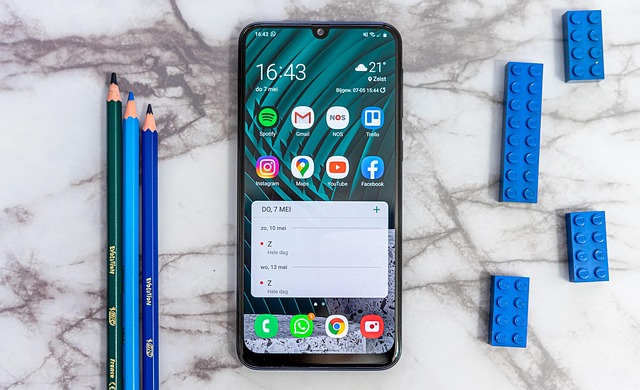
Understanding Samsung’s Strategy in the A-Series Lineup
The Galaxy A51 serves as a cornerstone of Samsung’s plan to strengthen its mid-range segment. It bridges the gap between entry-level devices and high-end flagships, providing consumers with advanced features once reserved for premium models. This approach aligns with the company’s broader global strategy to capture emerging markets where affordability drives adoption. By maintaining consistent design language across its range, Samsung ensures brand recognition while scaling innovation efficiently.
Differentiation from Previous Generations
Compared to earlier A-series models, the A51 introduces a more refined aesthetic and hardware package. Its sleek finish and modern display design reflect lessons learned from flagship development cycles. Upgrades such as improved camera sensors and enhanced display calibration showcase how mid-tier devices are now expected to deliver near-premium experiences. This evolution signals Samsung’s commitment to redefining expectations within this price bracket.
Design and Build Quality Enhancements
Samsung has drawn heavily from its flagship design philosophy when crafting the Galaxy A51, focusing on user comfort and visual appeal.
The Influence of Flagship Design on the A51
The device inherits several design elements from higher-end models, including the Infinity-O display that minimizes bezels for an immersive screen experience. Materials used balance durability with elegance, combining glossy finishes and ergonomic contours that fit naturally in hand. This attention to tactile quality enhances long-term usability without inflating production costs.
Display Technology Advancements
Equipped with a Super AMOLED panel, the Galaxy A51 delivers vivid color reproduction and strong brightness levels even under direct sunlight. Its high screen-to-body ratio creates an engaging viewing experience suitable for streaming or gaming sessions. The inclusion of an on-screen fingerprint sensor adds convenience while maintaining a clean front profile.
Performance Architecture and Hardware Integration
Underneath its polished exterior lies an efficient hardware configuration designed for real-world performance rather than benchmark dominance.
Processor Efficiency and System Optimization
The Exynos processor inside the Galaxy A51 is engineered for balanced power consumption during multitasking scenarios. AI-driven optimization fine-tunes system resources based on usage patterns, improving responsiveness over time. Thermal control mechanisms prevent overheating during demanding applications like gaming or video editing.
Memory Configuration and Storage Scalability
Samsung offers multiple RAM variants to accommodate different user profiles—from casual users to professionals managing large datasets. Expandable storage via microSD allows seamless data management without reliance on cloud solutions. UFS storage technology further accelerates file transfers and app loading speeds compared to older eMMC standards.
Imaging Capabilities and Camera System Evolution
Photography remains central to smartphone identity, and the Galaxy A51 elevates this through a versatile multi-lens setup.
Quad-Camera Setup: Functional Diversity in Imaging
The quad-camera array combines wide, ultra-wide, macro, and depth lenses to cover diverse shooting conditions. AI-assisted image processing refines dynamic range and color accuracy automatically, even in low-light scenes. Users can switch between modes effortlessly, making it suitable for both casual photography and content creation.
Video Recording and Stabilization Features
Video capabilities include 4K recording supported by electronic image stabilization that reduces motion blur during handheld shots. Advanced compression codecs maintain visual fidelity while minimizing file size—an advantage for mobile content producers who edit directly on-device.
Software Ecosystem and User Experience Optimization
Beyond hardware specifications, software integration defines daily usability across Samsung’s ecosystem.
One UI Integration with Android Platform Enhancements
Samsung’s One UI interface simplifies navigation through intuitive layouts optimized for one-handed operation. Regular updates extend device longevity by improving security protocols and adding new features over time. Enterprise users benefit from consistent patch cycles that maintain data integrity across corporate environments.
Productivity Tools and Smart Connectivity Features
Bixby routines automate repetitive actions such as adjusting brightness or launching apps based on context triggers like location or time of day. Seamless connectivity across Galaxy devices—tablets, wearables, laptops—creates continuity that appeals to professionals managing multiple screens daily. Compatibility with SmartThings expands control over connected home environments through a unified interface.
Market Implications and Competitive Analysis within the Mid-Tier Segment
In the broader smartphone landscape, the Galaxy A51 competes against aggressive offerings from Chinese manufacturers yet maintains differentiation through brand trust and software maturity.
Evaluating Competitive Position Against Other Manufacturers
While rivals emphasize raw specifications or aggressive pricing, Samsung balances both aspects strategically. Its established after-sales network strengthens consumer confidence—a factor often overlooked in cost-driven markets. The Galaxy A51 thus becomes not just another mid-range phone but part of a cohesive ecosystem supporting long-term usability.
Anticipated Impact on Future Mid-Tier Innovations
By integrating flagship-grade technologies into affordable hardware, Samsung sets new expectations within this category. Competitors are now compelled to match similar standards of design finesse and feature diversity. This continuous refinement cycle benefits consumers globally as innovation trickles down faster than before.
FAQ
Q1: What chipset powers the Samsung Galaxy A51?
A: It runs on an Exynos processor designed for efficient multitasking performance with AI-based optimization features.
Q2: Does the Galaxy A51 support expandable storage?
A: Yes, it includes microSD support allowing users to expand storage capacity beyond internal limits.
Q3: How many cameras does the device feature?
A: The phone includes four rear cameras—wide, ultra-wide, macro, and depth sensors—for flexible photography options.
Q4: Is there any difference between One UI versions across regions?
A: Minor variations may exist depending on carrier customization or regional software policies but core functionality remains consistent globally.
Q5: How does it compare against competitors like Xiaomi or Realme models?
A: While those brands offer aggressive pricing, Samsung differentiates through build quality consistency, longer update cycles, and stronger ecosystem integration across devices.