



The short answer for 2026
A search for i phone 6s usually refers to Apple’s iPhone 6s, the 4.7-inch model introduced in September 2015 alongside the iPhone 6s Plus. As of October 15, 2026, it is no longer a sensible primary-device recommendation for most users. Still, a working unit is not useless. If the battery is healthy and the phone is not carrier locked, it can still handle basic calls, messaging, music, light browsing, photos in good light and some iOS 15-compatible apps.
The main constraint is software. Apple gave the iPhone 6s an unusually long support runway: iOS 15 was released for iPhone 6s and later on September 20, 2021, and Apple’s security releases later listed iOS 15.8.8 for iPhone 6s models on May 11, 2026. Major feature upgrades ended earlier, when iOS 16 arrived for iPhone 8 and later on September 12, 2022. Buyers should therefore treat the iPhone 6s as a low-cost backup or collector device, not as a long-term phone for banking, workplace security, travel or heavy app use. For more phone and hardware coverage, visit the Devices section.
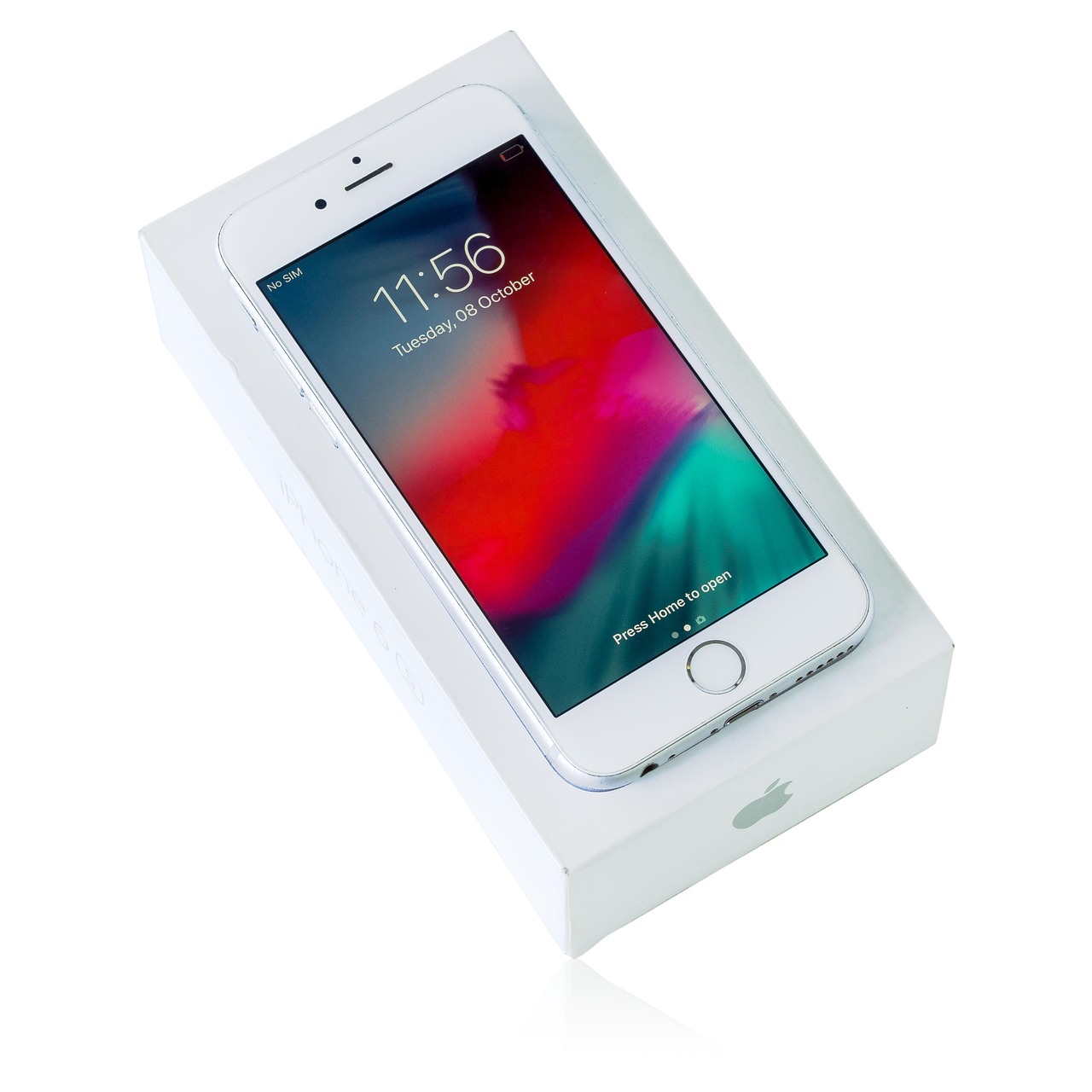
Why the iPhone 6s mattered at launch
Apple announced the iPhone 6s and iPhone 6s Plus on September 9, 2015, with availability beginning September 25, 2015, in markets including the United States, United Kingdom, China, Japan, Germany and several others. The 6s kept the broad design language of the iPhone 6, so it looked familiar at first glance, but the hardware changes were more than a routine refresh.
The headline feature was 3D Touch, a pressure-sensitive display system that let users press more firmly for shortcuts, previews and context actions. Apple also introduced Live Photos, upgraded the rear camera to 12 megapixels, added 4K video recording at 30 frames per second and moved to the 64-bit A9 chip with an embedded M9 motion coprocessor. The body used 7000 series aluminum, and rose gold joined the color lineup.
Those details still matter in 2026 because they explain the phone’s unusually long tail. The A9 platform and 64-bit architecture helped the 6s remain compatible with many iOS releases, while the 12-megapixel camera and compact 4.7-inch body kept it useful for people who preferred smaller phones. At the same time, its age is clear next to current devices with OLED displays, advanced computational photography, 5G, larger batteries and longer future support.
Core specifications that still define the device
Apple’s technical specifications for the iPhone 6s describe a compact LCD phone with a single rear camera and LTE-era connectivity. The spec sheet remains useful when checking a used-phone listing, comparing storage options or deciding whether an old unit is worth repairing.
| Area | iPhone 6s details | 2026 relevance |
|---|---|---|
| Display | 4.7-inch Retina HD LCD with 3D Touch, 1334-by-750 resolution at 326 ppi | Sharp enough for basic use, but small and less advanced than modern OLED panels |
| Chip | A9 chip with 64-bit architecture and embedded M9 motion coprocessor | Enough for light tasks, but slow for modern apps, games and heavy web pages |
| Rear camera | 12-megapixel camera with Live Photos, autofocus with Focus Pixels and 4K video at 30 fps | Usable in good light, limited in low light and without modern multi-camera features |
| Front camera | 5-megapixel FaceTime HD camera with 720p video | Acceptable for basic video calls, weak by current standards |
| Storage | 16GB, 32GB, 64GB and 128GB capacities listed by Apple | 16GB is highly restrictive; 64GB or 128GB is more realistic if buying used |
| Connectivity | LTE, 802.11ac Wi-Fi with MIMO, Bluetooth 4.2, NFC and Nano-SIM | No 5G and no eSIM; carrier compatibility should be checked before purchase |
| Ports and audio | Lightning connector and 3.5 mm headphone jack | The headphone jack remains convenient, but Lightning accessories are aging |
| Battery rating | Apple listed up to 10 hours of LTE internet use and up to 11 hours of HD video playback | Actual used-device battery life depends heavily on battery health and replacement history |
The most important line in that table is storage. A 16GB iPhone 6s can fill quickly once system files, messages, photos and app data are included. A 64GB or 128GB unit is easier to live with, although software support and battery age are still more important than capacity alone.
Software support is the biggest dividing line
The iPhone 6s is remembered partly because it survived a long iOS support cycle. It was introduced in the iOS 9 era, later received iOS 15 and continued to appear on Apple security-release lists years after launch. For a phone first sold in 2015, that is notable longevity.
| Date | Software milestone | What it meant for iPhone 6s owners |
|---|---|---|
| September 9, 2015 | Apple announced iPhone 6s and iPhone 6s Plus | The phone entered the lineup with 3D Touch, A9, Live Photos and a 12-megapixel camera |
| September 20, 2021 | iOS 15 became available for iPhone 6s and later | The 6s received a major OS release six years after launch |
| September 12, 2022 | iOS 16 became available for iPhone 8 and later | The 6s family was left outside the next major iOS generation |
| May 11, 2026 | Apple’s security releases listed iOS 15.8.8 for iPhone 6s models | The phone still appeared in security-update records, but remained on the iOS 15 branch |
The practical takeaway is to separate security maintenance from full platform support. A security update can patch specific issues, but it does not move the device into the same feature generation as newer iPhones. Newer app versions may require later iOS releases, and developers can raise minimum requirements over time. Before relying on a 6s, check the exact apps you need. Banking, authentication, ride-hailing, airline, school, workplace and medical apps are the categories most likely to matter.
Repair status and capacity differences
Repair status is another reason to be careful. Apple’s service information explains that vintage products are generally products Apple stopped distributing for sale more than five and less than seven years ago, while obsolete products are generally those Apple stopped distributing more than seven years ago. Apple says service and parts availability can depend on product status, local law and parts availability.
The current Apple service list separates the iPhone 6s by capacity: iPhone 6s models with 16GB, 64GB and 128GB appear under vintage iPhone products worldwide, while the iPhone 6s 32GB appears under obsolete iPhone products worldwide. That distinction may surprise used-device buyers, so capacity is not only a storage question. It can also affect repair expectations.
For a device this old, the most common practical repair issue is battery condition. Even if the phone works, an original or heavily used battery can cause short runtime, sudden shutdowns or poor performance under load. A screen replacement may also cost more than the resale value of the phone. Before buying, confirm the battery health in Settings where available, check whether Touch ID works, test the cameras and microphones, inspect the Lightning port and verify that the device is not locked to another Apple ID.
What still works for everyday use
Comfortable uses
The iPhone 6s can still make sense in limited roles. It remains pocketable, familiar and simple to operate. It supports Touch ID, Apple Pay hardware through NFC, LTE, Wi-Fi calling where carrier support is available and standard wired headphones through the 3.5 mm jack. For someone who wants a spare phone for calls, texts, podcasts, offline music, alarms, notes, two-factor authentication where the app still supports iOS 15 or basic photography, a working 6s can still be useful.
It can also serve as a child’s starter phone, a travel backup, a dedicated music player, a home Wi-Fi device, a camera for quick snapshots or a test phone for older accessories. Those roles are realistic because they do not require the newest camera pipeline, the fastest chip or years of future iOS feature updates. See also: AI.
Uses that need caution
The caution list is longer. The iPhone 6s is not a strong choice for heavy browser use, gaming, modern social video editing, high-resolution video workflows or multitasking across large apps. It also lacks 5G, modern ultra-wideband features, Face ID, MagSafe, eSIM and the advanced camera systems found on newer iPhones. The 4.7-inch display can feel cramped for navigation, forms, spreadsheets and accessibility needs.
Security-sensitive use deserves special attention. A phone stuck on an older major iOS branch may still receive occasional fixes, but it does not offer the same security architecture, app compatibility or feature coverage as a currently supported model. If the phone will be used for banking, work email, password management, medical accounts or frequent travel, a newer iPhone is the safer recommendation.
Buying or keeping one in 2026
If you already own an iPhone 6s and it works well, the decision is different from buying one today. Keeping an existing device as a backup can be reasonable if the battery is acceptable and the apps you need still run. It can also avoid replacing working hardware when the security and functionality trade-offs are clear.
Buying one in 2026 should be a much narrower decision. The price must be low enough to justify the limitations, and the device should be tested in person if possible. Avoid units with broken Touch ID, unknown battery history, Activation Lock, carrier locks, damaged ports or 16GB storage unless the use case is extremely limited. A cheap phone can become expensive quickly if it needs a battery, screen and port repair.
For most readers, a newer used iPhone will be better value. Even moving to a later model can bring a newer iOS branch, better battery life, stronger cameras, longer app support and easier repair options. The iPhone 6s is still an interesting device, but in 2026 it is mainly valuable as a backup, collector model, basic communication phone or reminder of the period when Apple experimented with pressure-sensitive touch.
Frequently asked questions
Is the iPhone 6s still secure in 2026?
It is not as secure a choice as a newer iPhone running a current major iOS version. Apple’s security-release records listed iOS 15.8.8 for iPhone 6s models on May 11, 2026, which shows continued attention to the iOS 15 branch. However, security updates on an older branch are not the same as full support for the newest platform features. Use caution for banking, work accounts and sensitive data.
Can the iPhone 6s run current apps?
Some apps can still work if they support iOS 15, but compatibility is app by app. Developers may require newer iOS versions for new features, security frameworks or performance reasons. Before buying or resetting an iPhone 6s, check the minimum iOS requirements for the specific apps you rely on.
Does the iPhone 6s have a headphone jack?
Yes. Apple’s specifications list a 3.5 mm headphone jack, a Lightning connector and EarPods with a 3.5 mm plug in the box for the model. That remains one of the phone’s practical advantages for users who prefer wired audio.
Is the iPhone 6s better than the iPhone 6?
Yes, in several important ways. The iPhone 6s added the A9 chip, 3D Touch, a 12-megapixel rear camera, 4K video recording and longer software support than the iPhone 6. In 2026, however, both are old devices, and the 6s should still be judged mainly by battery health, app compatibility and repair status.
Should you buy an iPhone 6s as a main phone?
Most users should not buy it as a main phone in 2026. It can still be useful as a backup or very low-cost basic device, but a newer used iPhone is likely to offer better security, app support, battery life, camera performance and repair prospects.