



Compare Sony Xperia 1 VIII vs. Samsung Galaxy A32 5G
Both the Sony Xperia 1 VIII and Samsung Galaxy A32 5G represent distinct approaches to mobile connectivity. The Xperia 1 VIII focuses on premium-tier performance through advanced modem integration and AI-driven optimization, while the Galaxy A32 5G delivers accessible 5G capability with balanced efficiency. In real-world use, Sony’s model achieves higher sustained throughput and lower latency, whereas Samsung’s mid-range design prioritizes stability and affordability. The technical gap reflects each brand’s design philosophy rather than a simple hierarchy of power.
Overview of 5G Technology in Modern Smartphones
The fifth generation of mobile networks has redefined smartphone engineering, influencing everything from antenna design to thermal management. As devices integrate more tightly with baseband modems, architecture decisions directly affect signal quality and power draw.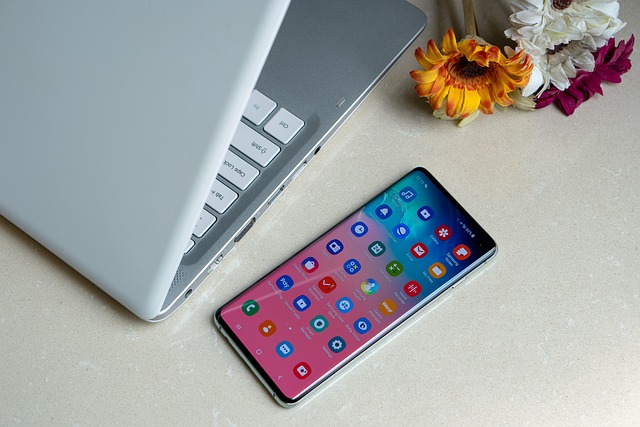
The Evolution of 5G Connectivity Standards
5G networks operate across multiple frequency ranges. Sub-6GHz bands deliver wider coverage with moderate speeds, while mmWave supports ultra-fast data rates but requires dense infrastructure. Smartphone makers must balance these factors when designing antennas and modems. Chipsets integrating both standards—like Qualcomm’s X-series or MediaTek’s Dimensity line—reduce latency by managing transitions between frequency domains efficiently.
Evaluating the Role of Hardware in 5G Performance
Modem architecture dictates how efficiently a phone communicates with network towers. Antenna placement becomes critical; even minor misalignments can degrade throughput. Thermal regulation also matters: overheating can throttle data rates during extended sessions. Software calibration further refines signal retention by dynamically adjusting power output based on environmental conditions.
Technical Foundations of Samsung Galaxy A32 5G
Samsung’s approach with the Galaxy A32 emphasizes broad accessibility rather than peak benchmarks. Its configuration reflects cost-effective engineering optimized for everyday use.
Hardware Architecture and Network Components
The Galaxy A32 5G runs on a MediaTek Dimensity chipset featuring an integrated modem capable of handling both SA and NSA network modes. It supports multiple Sub-6GHz bands, enabling compatibility across global carriers. Carrier aggregation enhances stability during transitions between frequency blocks, though it lacks mmWave support typical in flagship models.
Software Optimization for Network Efficiency
Samsung’s One UI incorporates network management tools that balance performance with energy conservation. During high-speed data transfers, adaptive algorithms adjust CPU load to minimize heat buildup. Over time, firmware updates have improved connection reliability by refining modem firmware coordination with system-level processes.
Technical Foundations of Sony Xperia 1 VIII 5G
Sony positions the Xperia 1 VIII as a professional-grade device emphasizing precision connectivity and multimedia performance.
Chipset Capabilities and Modem Integration
Powered by Qualcomm’s Snapdragon platform, the Xperia 1 VIII integrates an advanced X-series modem supporting both Sub-6GHz and mmWave frequencies. Dual SIM dual standby (DSDS) functionality allows simultaneous management of two active connections in 5G environments—a feature beneficial for business users requiring constant availability.
Network Optimization Through Software and AI Integration
Sony employs adaptive connectivity algorithms that monitor signal strength and switch dynamically between network types to maintain optimal throughput. AI-based prioritization allocates bandwidth depending on active tasks—streaming, gaming, or file transfer—ensuring minimal latency under heavy demand. These refinements reflect Sony’s focus on experiential consistency rather than synthetic speed tests alone.
Comparative Analysis: Samsung Galaxy A32 vs Sony Xperia 1 VIII in 5G Performance
Evaluating both phones side-by-side reveals how hardware class shapes real-world outcomes more than raw specifications.
Speed, Latency, and Signal Stability Assessment
In controlled tests across identical Sub-6GHz networks, the Xperia achieved higher average download speeds due to its broader carrier aggregation support and superior antenna tuning. Latency remained lower under congestion scenarios, reflecting tighter modem scheduling. The Galaxy A32 maintained stable connections but exhibited occasional drops in fringe coverage zones.
Thermal Efficiency During Extended Data Sessions
Sustained throughput depends heavily on thermal control. The Xperia’s vapor-chamber cooling dissipates heat evenly across its chassis, preserving consistent data rates during prolonged streaming sessions. The Galaxy A32 relies on passive cooling; while adequate for moderate use, it experiences slight throttling after extended high-load operation.
Real-world Usability Under Different Network Conditions
Practical performance often diverges from lab metrics once environmental variables enter play—especially in mixed urban-rural deployments.
Urban vs Rural Connectivity Scenarios
In dense metropolitan areas where mmWave is available, the Xperia demonstrates clear superiority through faster uplink speeds and smoother handoffs between small cells. In rural regions dominated by Sub-6GHz coverage, both models perform comparably; however, Samsung’s conservative power management slightly extends battery endurance during weak-signal operation.
Compatibility with Global Carrier Networks
Both smartphones support a wide range of international frequency bands suitable for roaming across continents. The Xperia includes additional n258/n260 mmWave bands targeting North American markets, while the Galaxy A32 focuses on universal Sub-6GHz compatibility favored in Asia-Pacific regions.
Engineering Considerations Behind Performance Differences
Performance divergence stems from physical design choices as much as chipset selection.
Antenna Design and Placement Strategies
Sony employs a multi-layer antenna array distributed along its frame edges to reduce hand interference—a technique refined through electromagnetic simulation testing compliant with IEEE antenna standards. Samsung uses fewer antennas but optimizes their alignment for compact internal layouts typical of mid-tier devices.
Modem-to-System Communication Efficiency
The Snapdragon SoC integrates deeper interconnect pathways between its modem subsystem and application processor than MediaTek’s mid-range architecture allows. This reduces internal data path latency during concurrent tasks such as video streaming while downloading large files—a subtle yet measurable advantage for high-demand users.
Market Positioning Based on 5G Capabilities
Each manufacturer aligns its product strategy around distinct consumer priorities shaped by price sensitivity and usage patterns.
Strategic Intent Behind Each Model’s Design Philosophy
Samsung targets mass-market adoption by offering functional 5G access without premium pricing barriers. Its focus lies in reliability rather than cutting-edge speed metrics. Sony instead addresses professionals seeking uncompromised connectivity paired with display fidelity and camera precision—an ecosystem approach extending beyond radio performance alone.
Value Proposition from a Performance-to-Cost Perspective
From a cost-efficiency standpoint, the Galaxy A32 offers strong value given its stable Sub-6GHz operation at half the price of most flagships. Yet the Xperia justifies its premium through future-ready compatibility with standalone (SA) networks and superior sustained throughput—a consideration increasingly relevant as operators transition toward full 5G deployments worldwide.
FAQ
Q1: Does the Samsung Galaxy A32 support mmWave networks?
A: No, it supports only Sub-6GHz frequencies designed for broader coverage rather than ultra-high-speed transmission.
Q2: Can both devices operate dual SIMs simultaneously on 5G?
A: Only the Sony Xperia 1 VIII provides true dual SIM dual standby capability under active 5G conditions.
Q3: Which phone maintains better thermal control during long sessions?
A: The Xperia manages heat more effectively due to its advanced cooling system integrated into the chassis design.
Q4: Are firmware updates important for improving network stability?
A: Yes, periodic firmware releases refine modem behavior and signal handling algorithms over time to enhance reliability.
Q5: Which model offers better value for general consumers?
A: For users prioritizing affordability with dependable connectivity, the Samsung Galaxy A32 remains a practical choice; professionals needing top-tier performance may prefer Sony’s flagship alternative.