



Demi Moore Calls Fighting AI a Losing Battle Ahead of Cannes Opening
Artificial intelligence has entered the creative industries with unstoppable momentum. As open artificial intelligence systems become more accessible, debates over artistic identity and authorship grow louder. Demi Moore’s recent comment that “fighting AI is a losing battle” before the Cannes opening reflects a truth many in Hollywood are beginning to accept: technology will not pause for sentiment. The challenge now is not to resist AI but to redefine creativity around it, balancing innovation with integrity.
The Intersection of Artificial Intelligence and Human Creativity
The fusion of technology and artistry has reshaped how creators imagine, design, and distribute content. Open artificial intelligence stands at this intersection, promising both empowerment and disruption.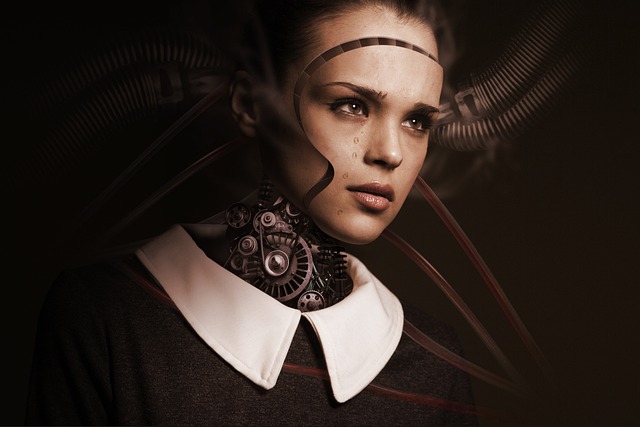
Definition and Scope of Open Artificial Intelligence in Creative Industries
Open artificial intelligence refers to models whose architecture, training data, or codebases are publicly available for research or creative use. This openness allows artists and developers to experiment freely without licensing restrictions. In creative industries, such systems support everything from visual art generation to automated music composition.
How Open AI Systems Differ from Proprietary or Closed Models
Unlike closed models owned by corporations, open AI projects invite community participation. Developers can modify algorithms or retrain models using culturally diverse datasets. This flexibility produces more inclusive creative outcomes while reducing dependency on commercial APIs that often restrict artistic control.
The Role of Transparency, Accessibility, and Collaboration in AI Development
Transparency ensures that creators understand how algorithms make decisions. Accessibility widens participation beyond major studios or tech firms. Collaboration among coders, artists, and ethicists forms the backbone of responsible innovation—an approach increasingly valued across global film and art institutions.
The Evolution of Creative Tools Through AI
AI’s rise did not occur overnight; it evolved through decades of digital experimentation that gradually blurred the lines between human imagination and computational design.
Historical Context: From Digital Editing to Generative Models
In the 1990s, digital editing tools revolutionized cinema production by replacing analog processes with non-linear workflows. Two decades later, generative models began producing original scripts, visuals, and soundtracks—turning machines into co-creators rather than assistants.
How Machine Learning Algorithms Simulate Creative Processes
Machine learning models analyze massive datasets to detect stylistic patterns in human-made works. Through iterative training cycles, they learn to replicate composition techniques or cinematic moods that once required years of artistic study.
The Impact of AI-Driven Tools on Film, Art, and Music Production Workflows
AI now assists in color grading films, generating concept art within minutes, and composing adaptive soundscapes for interactive media. For musicians experimenting with open-source frameworks like Magenta or Riffusion, creativity becomes a dialogue between intuition and code.
Demi Moore’s Perspective on AI and the Creative Industry
As Cannes prepared its red carpet this year, Demi Moore’s remarks reignited discussions about authenticity in an age where algorithms can mimic emotion as convincingly as actors do on screen.
Context Behind Demi Moore’s Statement Before Cannes
Moore described resistance to AI as “a losing battle,” emphasizing that technological change is inevitable even if unsettling. Her statement captured Hollywood’s mood ahead of major festivals where filmmakers debate whether AI threatens or enhances artistic craft.
Broader Industry Sentiment Leading Up to Major Film Festivals
Studios face pressure from both creators demanding protection of their likenesses and investors eager to cut costs through automation. This tension mirrors broader global anxieties about job displacement across creative sectors.
Reflection on Hollywood’s Ongoing Debate About Technology Versus Artistry
Hollywood has long balanced innovation with tradition—from CGI revolutions in the 1990s to virtual production today. Yet AI challenges something deeper: the notion that art must originate from human experience rather than computational synthesis.
Interpreting the Warning: Artistic Identity and Technological Displacement
Moore’s warning underscores fears that artistry could dissolve into algorithmic imitation if ethical boundaries remain undefined.
Concerns About Authenticity and Authorship in AI-Generated Content
When an AI model generates a screenplay indistinguishable from a human-written one, questions arise about who deserves credit—the programmer, the dataset contributors, or the algorithm itself? Such ambiguity threatens established norms of authorship protected under copyright law.
Ethical Implications for Actors, Writers, and Directors in an AI-Driven Ecosystem
Actors fear digital replicas may replace them without consent; writers worry about their styles being replicated by training data; directors face dilemmas over whether machine-generated scenes qualify as genuine storytelling or technical demonstration.
How Creative Unions and Guilds Are Responding to Automation Threats
Unions like SAG-AFTRA have begun negotiating clauses ensuring performers’ digital likenesses cannot be reused without approval. These measures signal an industry-wide shift toward protecting human identity within automated workflows.
Redefining Creativity in the Age of Open Artificial Intelligence
The future may belong neither solely to humans nor machines but to hybrid systems where both collaborate seamlessly across disciplines.
The Shift from Human-Centric to Hybrid Creativity Models
Hybrid creativity blends human intuition with algorithmic precision. In film editing suites or design studios, creators now guide generative models rather than compete against them—treating code as another creative instrument.
Examples of Hybrid Creative Outputs That Blend Human Intuition With Algorithmic Precision
Visual artists use diffusion models to expand sketches into full compositions; filmmakers employ text-to-video tools for previsualization; musicians remix neural outputs into live performances that feel spontaneous yet computationally complex.
How Open-Source Frameworks Encourage Experimentation Beyond Traditional Boundaries
Open frameworks invite experimentation unconstrained by corporate oversight. Independent developers release plug-ins enabling anyone—from students to professionals—to test unconventional narrative structures or aesthetic forms previously limited by budget or access.
Rethinking Originality and Ownership in Creative Works
As open artificial intelligence expands participation in content creation, legal definitions of originality face unprecedented strain.
Legal and Philosophical Challenges in Defining Authorship With AI Involvement
Courts worldwide struggle with determining whether machine outputs qualify as original works under existing copyright regimes since authorship traditionally implies intent—a quality machines lack.
Intellectual Property Concerns Surrounding Open-Source Generative Models
Open-source licenses encourage sharing but complicate ownership when outputs remix millions of copyrighted samples embedded within training data. Policymakers now explore attribution frameworks balancing openness with creator rights protection.
Emerging Frameworks for Attribution, Licensing, and Ethical Usage in Creative Outputs
New initiatives propose watermarking generated content or requiring transparent metadata disclosure so audiences can distinguish between human-made and algorithm-assisted works—steps crucial for maintaining trust across cultural industries.
The Role of Open Artificial Intelligence in Shaping Future Artistic Expression
Open platforms are democratizing creativity faster than any previous technological wave while challenging curatorship norms once dominated by elite institutions.
Democratization of Creative Access Through Open Platforms
By lowering hardware requirements and offering free model repositories online, open artificial intelligence empowers independent filmmakers or illustrators from developing regions to produce competitive work without studio backing.
The Influence of Community-Driven Datasets on Cultural Diversity in Art Generation
Community-sourced datasets introduce regional aesthetics into generative systems—expanding representation beyond Western-centric styles traditionally favored by proprietary tools.
Balancing Accessibility With Accountability in Public Model Deployment
While openness fosters innovation, it also demands accountability regarding dataset consent and bias mitigation—issues increasingly scrutinized by regulators worldwide seeking ethical compliance standards for creative technologies.
Predicting the Next Phase of Creative Innovation at Global Festivals Like Cannes
Film festivals serve as testing grounds where new technologies meet artistic vision under public scrutiny—a dynamic unlikely to fade soon.
Anticipated Trends in Film Production Influenced by Generative Tools
Producers now integrate generative storyboarding tools during pre-production phases to visualize complex sequences faster than traditional methods allow—reducing costs while expanding narrative experimentation possibilities.
Integration of AI-Assisted Storytelling Into Mainstream Cinema Narratives
AI-driven narrative engines capable of adaptive plot construction may soon collaborate with screenwriters during development stages—creating films whose emotional arcs evolve dynamically based on audience feedback analytics.
The Evolving Criteria for Artistic Merit as Technology Becomes Inseparable From Creativity
Critics will need new evaluative criteria distinguishing meaningful artistic direction from mere technical novelty as algorithmic aesthetics permeate mainstream cinema selection lists at festivals like Cannes or Venice.
Ethical Governance and the Future Relationship Between Artists and Algorithms
The sustainability of creative ecosystems depends on governance frameworks aligning technological progress with cultural ethics rather than market expedience alone.
Building Responsible Frameworks for Open AI Development in the Arts
Transparent data sourcing policies must accompany every stage of model training within arts sectors. Policymakers collaborate increasingly with technologists to draft fair-use guidelines preventing exploitation while preserving innovation freedom.
Role of Policymakers, Technologists, and Artists in Shaping Ethical Standards
Cross-sector alliances now define acceptable practices for dataset curation and model deployment—ensuring creators’ consent remains central amid rapid automation growth across entertainment fields.
Strategies to Preserve Human Creativity While Embracing Technological Evolution
Educational programs teaching artists computational literacy can safeguard originality while encouraging informed collaboration rather than passive adoption—a balance essential for sustaining authentic expression amid algorithmic ubiquity.
Toward a Sustainable Coexistence Between Human Expression and Machine Intelligence
Long-term harmony between humans and machines relies less on regulation alone than shared understanding cultivated through interdisciplinary engagement across academia and industry alike.
Encouraging Interdisciplinary Dialogue Between Art Institutions and Tech Developers
Joint residencies pairing engineers with visual artists foster empathy between domains often siloed by jargon yet united by curiosity—a cultural necessity if technology is ever to serve art responsibly rather than dominate it.
Educational Initiatives That Prepare Future Artists To Collaborate With Intelligent Systems
Art schools integrating coding fundamentals alongside traditional disciplines prepare graduates capable not only of using intelligent systems but shaping their evolution through critical design thinking approaches rooted in ethics as much as aesthetics.
Vision for a Balanced Ecosystem Where Innovation Enhances Rather Than Replaces Creativity
A sustainable future envisions machines amplifying—not substituting—human imagination; where openness fuels diversity instead of homogenization; where technology becomes another brushstroke on humanity’s ever-expanding creative canvas.
FAQ
Q1: What did Demi Moore mean by calling fighting AI a losing battle?
A: She implied resistance is futile since technological progress will continue regardless; instead artists should adapt creatively within this new landscape.
Q2: How does open artificial intelligence differ from corporate-owned systems?
A: Open systems share code publicly allowing modification whereas proprietary ones restrict access under commercial licenses limiting experimentation freedom.
Q3: What risks do actors face from generative technologies?
A: Digital replicas could reproduce performances without consent threatening both livelihood security and personal identity integrity within visual media industries.
Q4: Can open-source models truly democratize creativity?
A: Yes—they reduce entry barriers enabling independent creators globally though ethical oversight remains crucial against misuse or bias propagation within datasets used for training models.
Q5: Will film festivals embrace AI-generated works fully?
A: Gradually yes—as juries refine evaluation frameworks acknowledging hybrid authorship blending human direction with machine contribution reflecting evolving definitions of artistry itself.