



AI, Cloud, and the New Financial Services Data Threat Calculus
Artificial intelligence and cloud computing are no longer separate disciplines in finance. Their convergence has redefined how institutions manage risk, process data, and secure digital assets. AI-driven automation enhances decision-making speed, yet it also expands the attack surface of financial clouds. The next phase of competitiveness in banking depends on mastering this balance—building resilient cloud computing security frameworks that protect sensitive data while supporting continuous innovation.
The Convergence of AI and Cloud Computing in Financial Services
AI’s integration into cloud ecosystems has altered the operational DNA of financial institutions. Beyond cost efficiency, it is now about agility, insight generation, and real-time control over complex data environments.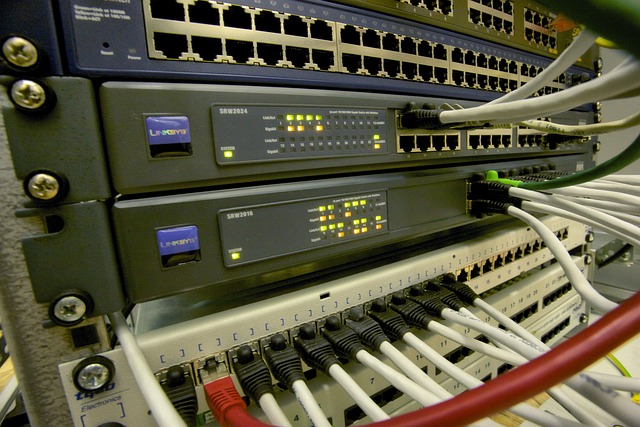
How AI Is Transforming the Financial Cloud Ecosystem
AI-driven analytics are reshaping how banks interpret market signals and internal performance metrics. In trading operations, machine learning models hosted in the cloud detect anomalies across millions of transactions within seconds. Fraud detection systems powered by deep learning continuously refine their accuracy as they ingest new data streams. Cloud-native AI services allow distributed teams—from compliance officers to portfolio managers—to make synchronized decisions based on live insights rather than static reports.
The Expanding Attack Surface of AI-Enabled Cloud Environments
However, every added layer of automation introduces new exposure points. Integrating machine learning workloads across hybrid infrastructures multiplies potential vulnerabilities. Data pipelines linking legacy on-premises databases with public clouds often lack uniform encryption or endpoint verification. Multi-cloud adoption compounds this complexity; each provider may apply different identity protocols or audit standards, creating blind spots for regulators and internal security teams alike.
Redefining Cloud Computing Security for the AI Era
As AI systems grow more autonomous, traditional security postures lose relevance. Static firewalls cannot contain adaptive algorithms that move workloads dynamically between nodes or regions.
Shifts in Security Architecture Driven by AI Workloads
The perimeter-based model once sufficient for centralized banking systems no longer fits decentralized AI environments. Institutions are pivoting toward Zero Trust frameworks where every user, device, and process must authenticate continuously. This shift demands continuous verification rather than one-time approval because AI workloads evolve faster than human oversight can track. Dynamic policy enforcement becomes a living process aligned with real-time telemetry from both network traffic and model behavior.
The Role of Data Governance in Securing AI Models in the Cloud
Securing financial AI begins at the data layer. Model training requires verified provenance to prevent contamination from biased or malicious datasets. Encryption during transit and tokenization at rest protect sensitive attributes like account identifiers or transaction histories. Regulatory frameworks such as GDPR and CCPA impose strict accountability for automated processing decisions, while emerging AI-specific acts are expected to define boundaries around explainability and auditability within financial clouds.
Emerging Threat Vectors in AI-Powered Financial Systems
The sophistication of threats mirrors the sophistication of tools defending against them. Attackers now target not just infrastructure but the intelligence embedded within models themselves.
Adversarial Attacks Targeting Machine Learning Models
In adversarial attacks, subtle manipulations to input data can trigger false fraud alerts or misprice credit risks without altering system code. Model inversion attacks go further by reconstructing confidential training data—such as client income levels—from exposed APIs used for scoring applications. Defensive strategies combine adversarial testing with model hardening techniques that randomize feature sensitivity and employ explainability tools to detect abnormal inference patterns before exploitation occurs.
Insider Risks Amplified by Autonomous Systems
Automation can obscure accountability when decision engines act without direct human validation. Privileged insiders might exploit this opacity by embedding unauthorized rules into algorithmic workflows or siphoning off processed insights undetected. Hybrid environments spanning multiple jurisdictions complicate monitoring further because audit trails may fragment across providers. Continuous behavioral analytics help restore visibility by correlating user actions with contextual anomalies over time.
Building Resilient Cloud Security Frameworks for Financial Institutions
Resilience now depends on integrating artificial intelligence not only as a target to defend but as an active participant in defense itself.
Integrating AI Into Threat Detection and Response Mechanisms
AI-powered threat detection platforms analyze billions of log entries daily to flag deviations invisible to manual review. Predictive analytics forecast breach likelihood based on evolving attacker behavior patterns observed across global networks. Automated response orchestration shortens dwell time from hours to minutes by isolating compromised workloads before lateral movement occurs—critical in high-speed trading or payment systems where milliseconds matter.
Designing a Multi-Layered Defense Strategy for Financial Clouds
A multi-layered architecture remains foundational even amid automation advances.
Identity and Access Management (IAM) Reinforcement
Dynamic access controls adjust privileges according to user context—location, device posture, transaction type—reducing overexposure risks common in static role assignments.
Secure Data Lifecycle Management
End-to-end encryption preserves confidentiality from initial ingestion through archival storage phases, ensuring compliance with retention mandates while limiting insider misuse opportunities.
Continuous Compliance Monitoring
Automated auditing tools map operational events against current regulations such as Basel III or ISO/IEC 27001 controls, alerting compliance officers when deviations arise due to system updates or configuration drift.
The Future Landscape of Cloud Security in an AI-Dominated Financial Sector
The regulatory horizon is shifting quickly as policymakers grapple with algorithmic accountability and cross-border data flows central to global finance.
Anticipating Regulatory Evolution Around AI Governance and Cloud Security
Governments worldwide are drafting frameworks mandating transparency around automated decision-making processes used in lending or trading algorithms. Restrictions on cross-border transfers will likely influence architectural choices—forcing multinational banks to deploy regionalized cloud clusters that satisfy local sovereignty requirements while maintaining operational continuity across markets.
Strategic Priorities for Financial Institutions Moving Forward
Future-ready institutions will invest in architectures built secure-by-design rather than retrofitted under pressure after incidents occur. Collaboration between cybersecurity experts, data scientists, and compliance officers is becoming non-negotiable since each discipline interprets risk differently yet contributes equally to resilience planning. Continuous innovation remains essential; stagnation invites obsolescence faster than any breach could.
FAQ
Q1: What makes cloud computing security more complex with AI integration?
A: The dynamic nature of machine learning models increases system interconnectivity, creating additional endpoints that attackers can exploit if not continuously verified.
Q2: How does Zero Trust architecture benefit financial institutions?
A: It eliminates implicit trust within networks by enforcing identity validation at every interaction point, reducing lateral movement risk inside hybrid clouds.
Q3: Why are adversarial attacks particularly dangerous for financial models?
A: They can subtly alter predictions like credit scores or fraud flags without triggering traditional intrusion alarms since core infrastructure remains untouched.
Q4: What role does encryption play in protecting financial datasets?
A: Encryption secures sensitive information throughout its lifecycle—from ingestion through storage—maintaining confidentiality even if outer defenses fail.
Q5: How should banks prepare for upcoming regulations on AI governance?
A: By implementing transparent auditing mechanisms capable of explaining automated decisions and aligning cross-border data practices with evolving legal requirements on algorithmic accountability.