




What mini electric cars mean in 2026
Mini electric cars are not simply smaller versions of mainstream EVs. In 2026, the term is being used for several products: full-speed minicompact battery-electric cars, compact electric crossovers marketed by small-car brands, and low-speed neighborhood vehicles that are not intended for highway use. For U.S. buyers, that distinction matters more than styling.
A true city EV can make daily errands easier, reduce energy use, and fit into parking spaces that frustrate larger SUVs. The trade-offs are just as important: shorter range, less cargo room, fewer model choices, and different safety rules depending on the vehicle class. Global demand for small EVs is real, but the U.S. market still leans toward larger electric SUVs and trucks. For broader market coverage, visit the Roads News EVs section.
Why small electric cars are getting attention again
Renewed interest in mini electric cars is partly a reaction to the size and weight of today’s EV market. The International Energy Agency reported in its Global EV Outlook 2026 that electric cars are expected to represent a larger share of global vehicle sales in 2026, with China, Europe and emerging Asian markets continuing to shape model strategy. The agency also noted that large cars and SUVs accounted for almost 70% of the global EV market in 2025, while the United States had one of the highest shares of large EV models.
That leaves a gap between what many urban drivers need and what many automakers prefer to sell. A commuter who drives 30 to 50 miles a day, parks on tight streets, and charges at home may not need a 300-mile SUV. For that use case, a smaller battery and lighter body can be a rational compromise. The point is not that every buyer should downsize; it is that the vehicle should match the job.
The IEA also reported that average battery-electric range has stopped rising as quickly as it did earlier in the EV cycle. That shift matters because it suggests the market is starting to balance range, cost and battery size, rather than treating the largest possible pack as the only measure of value.
The main types of mini electric cars
Searches for mini electric cars often mix several vehicle categories. Before comparing prices or range, buyers should identify which type of vehicle they are actually considering.
| Category | Typical use | Key limitation |
|---|---|---|
| Full-speed minicompact EV | City driving, commuting, local highways where permitted | Shorter range and limited cargo space |
| Compact electric crossover | Drivers wanting a smaller footprint without giving up utility | Often larger, heavier and more expensive than a true mini car |
| Low-speed vehicle | Neighborhoods, campuses, resorts and short local trips | Federal speed and equipment rules limit use |
| Imported microcar or specialty EV | Niche urban mobility or fleet use | Availability, compliance and service support can be uncertain |
In the United States, full-speed small EV choices remain limited. The IEA’s 2025 analysis of the North American market, using 2024 model availability and sales, counted only two small battery-electric nameplates in a market dominated by larger vehicles. That helps explain why shoppers may see frequent online discussion of small EVs while finding few directly comparable options at local dealers.
Range is a planning question, not just a headline number
Range anxiety is real, but mini electric cars should be judged against the driving pattern they are meant to serve. The EPA’s 2026 Automotive Trends Report said the average new battery-electric vehicle range for model year 2024 reached 292 miles. A city EV with roughly half that range can look weak beside the market average, but the comparison is incomplete if most trips are local.
The Fiat 500e is a useful reference because it is one of the clearest U.S. minicompact EV examples. EPA and ENERGY STAR data list the 2024 Fiat 500e as a minicompact electric vehicle with 149 miles of electric range, 116 MPGe combined, and electricity use of 29 kWh per 100 miles. On that basis, a 40-mile day would use about 11.6 kWh before charging losses. For many households with home charging, that is closer to a routine daily load than a road-trip planning problem.
Short range still has consequences. Cold weather, high speeds, hills, old tires, rooftop accessories and aggressive driving can reduce usable range. Small cars also have less room for larger battery packs, and buyers who regularly drive between cities may find that more frequent charging stops offset the convenience gained in town. A mini EV works best when home or workplace charging is reliable and the daily route is predictable.
Safety rules separate mini EVs from neighborhood vehicles
One of the biggest mistakes in this segment is treating every tiny electric vehicle as a normal car. U.S. federal rules draw a clear line between full-speed passenger vehicles and low-speed vehicles, often called LSVs. NHTSA has defined an LSV as a four-wheeled motor vehicle, other than a truck, with a top speed of more than 20 mph and not more than 25 mph under specified conditions. The current federal low-speed vehicle standard, 49 CFR 571.500, requires items such as lamps, mirrors, a parking brake, a compliant windshield, a vehicle identification number, seat belts, rear visibility compliance and an alert sound.
Those requirements do not make an LSV equivalent to a full-speed passenger car. LSVs are designed for limited environments, and state or local rules may restrict where they can operate. A vehicle that works well inside a planned community may be inappropriate on a 45 mph arterial road, even if it is enclosed and looks car-like.
For buyers, the practical test is straightforward: if the vehicle cannot legally and safely match surrounding traffic on the roads you use, it should not be treated as a substitute for a car. That is especially important for parents, fleet managers and first-time EV shoppers attracted by low advertised prices. See also: AI.
What current models show about the trade-offs
The Fiat 500e shows both the appeal and the limits of the full-speed city EV formula. Stellantis said in February 2024 that the North American 500e used a 42 kWh battery, offered an estimated 149-mile range, and could recharge on Level 2 power in a little over four hours under the company’s stated conditions. It is small, efficient and suited to dense areas, but its cargo and passenger space are naturally constrained.
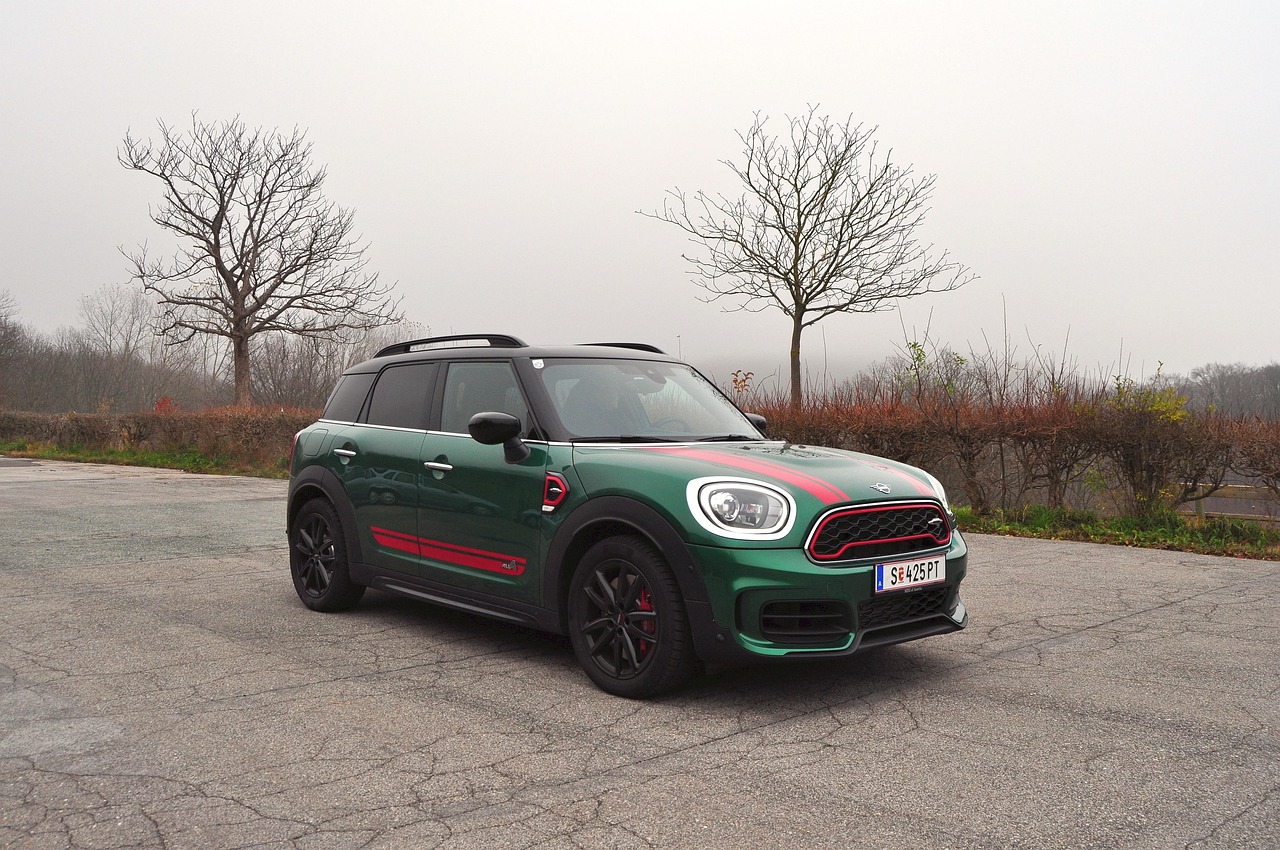
MINI illustrates a different path. MINI USA currently emphasizes the all-electric Countryman SE ALL4 in its U.S. electric lineup, a vehicle with all-wheel drive and far more performance than a microcar. MINI USA lists strong output and an eight-year or 100,000-mile high-voltage battery warranty, while also describing a range of up to 216 miles for the 2027 Countryman SE ALL4. That model may satisfy buyers who want a small-brand EV, but it is not a tiny urban runabout in the same sense as a minicompact hatch.
Globally, the small-EV story is broader. The IEA reported that models such as the Wuling HongGuang Mini and BYD Seagull were among the high-volume battery-electric vehicles in 2025. Those vehicles show that compact, lower-cost EVs can reach meaningful scale where pricing, regulations, supply chains and consumer needs align. The U.S. market has not yet developed the same small-EV ecosystem.
How to decide if a mini electric car fits
A mini EV is most convincing when it is bought for a defined job. Start with the route, not the badge. If the car will be used for commuting, school runs, grocery trips and city parking, a shorter-range EV can be efficient and pleasant. If it must replace the only household vehicle for interstate travel, winter vacations and heavy cargo, the compromise becomes larger.
- Daily miles: Add a buffer for weather and battery aging, not just the average commute.
- Charging access: Home charging makes small batteries easier to live with.
- Road type: Confirm whether the vehicle is full-speed or low-speed before considering price.
- Interior needs: Test child seats, cargo space, pet access and passenger comfort before assuming small will work.
- Service support: A niche EV is only practical if parts, warranty work and software support are accessible.
The editorial takeaway is that mini electric cars are not a universal answer to EV affordability. They can, however, be a cleaner and more space-efficient answer to urban driving when range expectations are realistic, operating environments are safe, and charging access is dependable.
Frequently asked questions
Are mini electric cars legal on U.S. highways?
Some are, and some are not. A full-speed passenger EV that meets applicable motor vehicle standards can be used like a normal car, subject to registration and state rules. A low-speed vehicle is different and is generally limited by speed capability and local road regulations.
Is 150 miles enough range for a small electric car?
It can be enough for a commuter or city household with dependable charging, especially when daily mileage is well below the rated range. It is less suitable for drivers who frequently take long highway trips, lack home charging, or face severe winter range loss.
Why are there fewer small EVs in the United States?
Automaker strategy, consumer preference, profit margins and U.S. vehicle habits all play a role. Recent IEA analysis shows the U.S. electric lineup is heavily weighted toward large cars and SUVs, while small EVs have been more successful in markets where compact cars are already mainstream.
Should I buy a low-speed electric vehicle instead of a mini EV?
Only if your use case is local and legally compatible with LSV operation. A low-speed vehicle can be practical for neighborhoods, campuses and short errands, but it should not be treated as a highway-capable substitute for a certified passenger car.