



What the Kia EV9 is in 2026
The Kia EV9 remains a practical option for U.S. families that want three rows, usable electric range and pricing below many luxury electric SUVs. As of September 16, 2026, Kia’s U.S. public materials still focus on the 2026 Kia EV9 rather than a 2027 EV9 with official U.S. pricing. For shoppers looking up EV9 Kia details, the main figures are clear: the 2026 model starts at $54,900 before destination, carries EPA range ratings from 230 to 305 miles and moves to a native NACS charging port for easier access to compatible Tesla Supercharger sites.
The important qualification is incentives. Federal tax-credit assumptions have changed since Kia’s 2025 launch materials, so buyers should verify incentives, recall status and charging compatibility by VIN and delivery date before treating any quote as final.
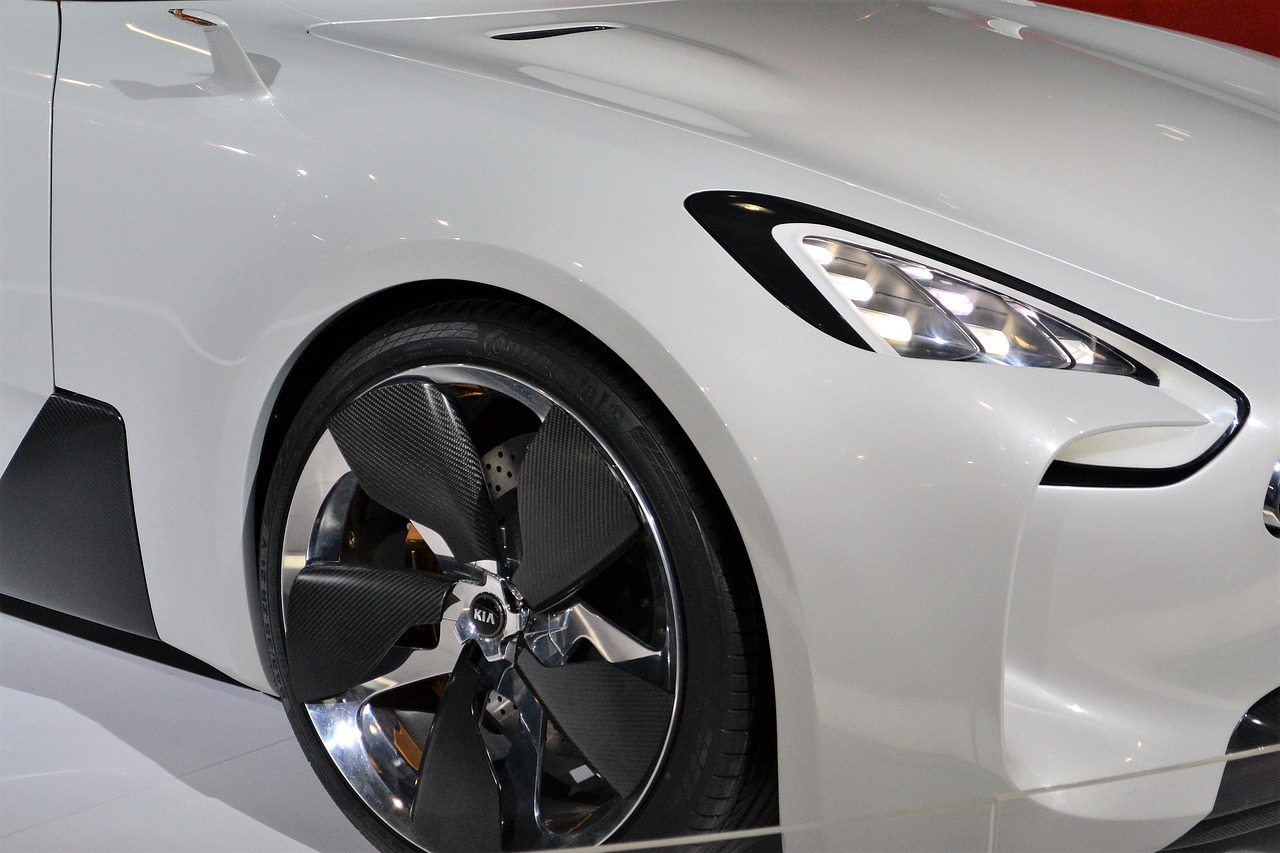
That mix makes the EV9 less of a niche EV experiment and more of a mainstream family-vehicle decision. It should be compared with gasoline three-row SUVs, hybrid alternatives and newer electric crossovers, not only with other Kia EVs. This guide focuses on current U.S. model-year facts, the practical differences between trims and the trade-offs that matter most for families, fleets and road-trip buyers. For broader market updates, follow our EV coverage.
Key 2026 Kia EV9 facts at a glance
Kia America’s 2026 EV9 order guide dated May 16, 2025, and Kia’s 2026 media pricing information list five core U.S. trims. The MSRPs below exclude the $1,495 destination charge noted by Kia. Dealer discounts, lease support, finance programs, state incentives and accessories can change the real transaction price, so these figures should be read as the manufacturer baseline rather than an out-the-door quote.
| 2026 Kia EV9 trim | Drive and battery | Power | EPA range | MSRP before destination |
|---|---|---|---|---|
| Light SR | RWD, 76.1 kWh | 215 hp | 230 miles | $54,900 |
| Light LR | RWD, 99.8 kWh | 201 hp | 305 miles | $57,900 |
| Wind | AWD, 99.8 kWh | 379 hp | 283 miles | $63,900 |
| Land | AWD, 99.8 kWh | 379 hp | 283 miles | $68,900 |
| GT-Line | AWD, 99.8 kWh | 379 hp | 280 miles | $71,900 |
The trim spread shows Kia’s positioning. The Light SR is the entry point, while the Light LR is the range-focused choice because it combines the larger battery with rear-wheel drive. Wind, Land and GT-Line add all-wheel drive and stronger acceleration, but give up some rated range. For many shoppers, the decision is whether the added traction, power and equipment on the AWD trims are worth losing roughly 22 to 25 miles of EPA range versus the Light LR.
What changed for 2026
The most important 2026 update is the charging port. Kia’s order guide says the EV9 adopts the North American Charging Standard, or NACS, allowing access to the Tesla Supercharger network without a DC fast-charging adapter where compatible sites are open to Kia vehicles. Tesla’s own support information separately explains that NACS-equipped non-Tesla vehicles do not require an adapter at compatible NACS Superchargers, while CCS-equipped vehicles need an approved adapter at eligible sites.
That distinction matters because 2024 and 2025 EV9 models launched in the U.S. with CCS hardware. Owners of those vehicles may still need an official adapter and applicable software support, depending on the charging site. A 2026 EV9 with native NACS simplifies the connector side of a trip, but it does not make every Tesla stall available. It also does not remove the usual EV road-trip variables: charger uptime, cable reach, route planning and charging speed.
Kia also shifted the 2026 U.S. EV9 production story toward West Point, Georgia. Kia Georgia identifies its West Point facility as Kia’s only U.S. manufacturing plant and lists the EV9 among the vehicles built there. Kia’s 2026 order guide linked this move, along with battery sourcing changes, to federal incentive eligibility at the time the guide was issued. Buyers reading this in 2026 should not rely on older tax-credit language alone. IRS guidance now says the New Clean Vehicle Credit is not available for vehicles acquired after September 30, 2025, except for specific prior-acquisition situations. In practical terms, a shopper taking action in late 2026 should ask the dealer for written incentive documentation rather than assuming a federal purchase credit is still in force.
Other 2026 changes are more trim-specific. Kia’s order guide notes a new Nightfall Edition package for the Land trim, new two-tone exterior color options for GT-Line, standard seven-passenger seating on Light Long Range and a Land seven-passenger option tied to Nightfall. It also notes added driver-assistance and convenience items for Wind, plus standard self-leveling suspension and a 5,000-pound towing-capacity setup for Land. Range ratings improved slightly on several trims, with Light LR moving to 305 miles, Wind and Land to 283 miles, and GT-Line to 280 miles.
Range, battery and drivetrain choices
The EV9’s range structure is simple, but the choice has real ownership consequences. The standard 76.1 kWh battery in the Light SR gives the lowest entry price and a 230-mile EPA rating. That can work for drivers with predictable daily mileage and reliable home charging, but it leaves less margin for cold weather, highway speeds, loaded family trips and detours. The 99.8 kWh battery is the better fit for many buyers who plan to use the EV9 as a primary family vehicle.
The Light LR is the long-distance efficiency choice because its single-motor rear-drive layout gives the highest 305-mile rating. It is not the quickest version, but it offers the strongest range-per-dollar balance in the published lineup. Wind, Land and GT-Line use the larger battery with dual-motor all-wheel drive. Their 379 hp output changes the vehicle’s character, especially for highway merging, snow-belt driving and towing. Kia’s 2026 specifications list AWD 0-to-60 mph performance as quicker than the rear-drive trims, with the GT-Line rated at 5.0 seconds in Kia’s published data.
The trade-off is efficiency. A 280- to 283-mile EPA rating is still usable for a three-row electric SUV, but real-world road-trip range will vary with speed, weather, elevation, tires, cabin heat, payload and trailer use. Families comparing the EV9 with a gasoline Telluride or another three-row SUV should look beyond the EPA number and map the longest regular trip they actually take. If the route has reliable high-power charging, the EV9’s fast-charge capability can make the lower AWD range acceptable. If the route crosses sparse charging areas, the Light LR’s extra range cushion may matter more than extra horsepower.
Charging and NACS details
Kia’s 2026 EV9 owner charging information gives useful planning numbers. At room temperature, Kia lists roughly 20 minutes to charge the standard battery from 10% to 80% on a 350 kW DC fast charger. The extended battery is listed at about 24 minutes under the same conditions. On an 11 kW Level 2 AC charger, Kia lists about 6 hours 45 minutes from 10% to 100% for the standard battery and about 8 hours 45 minutes for the extended battery.
Those figures show why home charging remains central to the EV9 ownership case. A Level 2 home charger can refill the vehicle overnight for most households, while DC fast charging is better treated as a road-trip tool or a backup when schedules are tight. Kia’s owner information also lists longer 10% to 80% times on a 250 kW Supercharger V3: about 27 minutes for the standard battery and about 34 minutes for the extended battery at room temperature. That does not make Superchargers a poor option. It means the fastest 800-volt charging experience still depends on the right equipment, site conditions and battery temperature.
The NACS change should reduce adapter confusion for new 2026 buyers, but it creates its own checklist. If you plan to use CCS fast chargers, ask whether the vehicle includes or requires a NACS-to-CCS adapter. If you use older Tesla Level 2 destination chargers or a home Tesla Wall Connector, confirm AC adapter compatibility separately from DC fast-charging compatibility. Connector names sound similar, but the use cases are different. The safest approach is to confirm the exact cable, adapter and app setup before relying on any single network for a long trip.
Interior, seating, cargo and towing
The EV9’s biggest advantage over smaller electric crossovers is packaging. Kia positions it as a three-row SUV with seating for up to seven, and the boxy shape helps preserve passenger and cargo space. Kia’s 2026 full-line brochure lists more than 80 cubic feet of maximum cargo space with the rear rows folded, and Kia’s consumer materials emphasize adult-capable three-row use rather than occasional jump seats. See also: AI.
Seating configuration still depends on trim and package. Buyers should check whether a specific vehicle has a second-row bench, captain’s chairs, relaxation seats or a package that changes passenger count. This is especially important for shoppers replacing a minivan or a three-row gasoline SUV, because a six-passenger EV9 and a seven-passenger EV9 solve different family problems. A bench can be better for three children across the second row; captain’s chairs improve walk-through access to the third row.
Towing is another area where details matter. Kia advertises up to 5,000 pounds of towing capacity on properly equipped EV9 versions, and the 2026 order guide calls out standard self-leveling suspension and 5,000-pound towing capacity for Land. Buyers should verify towing hardware, rating and payload on the window sticker and owner documentation for the exact VIN. As with all EVs, towing can sharply reduce driving range, especially at highway speed. The EV9 can be a strong short-distance tow vehicle for the right trailer, but buyers should be cautious about assuming gasoline-SUV road-trip towing range.
Safety, ownership and market position
The Insurance Institute for Highway Safety lists the 2025-26 Kia EV9 as a Top Safety Pick+ in the midsize SUV category. That is a meaningful data point for family buyers because it reflects crashworthiness, headlight and front-crash-prevention criteria in the IIHS award structure. It should not replace a VIN-specific safety check, but it supports the EV9’s positioning as a serious family vehicle rather than a design-led EV with limited safety validation.
Ownership due diligence is still necessary. NHTSA recall applicability is VIN-specific, and EV9 recall campaigns have varied by model year, build period and component. Before delivery, buyers should ask the dealer to document open recalls, software updates and service campaigns. For used 2024 or 2025 EV9 shoppers, the checklist should also include adapter eligibility, software status for NACS-compatible fast charging, battery-service history and tire condition.
In the broader three-row EV market, the Kia EV9 sits in a useful middle ground. It is more attainable than many premium electric SUVs, more SUV-like than an electric van and more family-focused than performance-first EVs. Its limitations are also clear: the price is still high versus many gasoline three-row SUVs, the longest-range version is not the AWD version, and long-distance charging still requires more planning than a five-minute fuel stop. The EV9 works best for households that can charge at home and use public fast charging mainly to extend trips, not as the only energy source.
What buyers should verify before ordering or leasing
The most important EV9 buying step is not choosing a color; it is verifying the exact build. A few checks can prevent expensive misunderstandings:
- Confirm the trim, battery and drivetrain against the window sticker.
- Ask whether the quoted price includes the $1,495 destination charge, dealer accessories and documentation fees.
- Get written details for any lease cash, finance incentive or dealer discount, because federal purchase-credit rules changed after September 30, 2025.
- Check the VIN for open recalls or service campaigns before signing final paperwork.
- Confirm whether you need adapters for CCS DC fast chargers, Tesla AC destination chargers or home equipment.
- Verify seating layout if you need seven seats rather than six.
- Verify towing equipment, tow rating and payload if you plan to pull a trailer.
For many shoppers, the most balanced EV9 is the Light LR if range and price matter most, or the Wind if all-wheel drive and stronger performance are worth the higher cost. Land and GT-Line make sense for buyers who want richer equipment, towing confidence or styling upgrades. The entry Light SR can be rational for local-use fleets or commuters, but families planning frequent interstate travel should think carefully before giving up the larger battery.
Frequently asked questions
What is the maximum range of the 2026 Kia EV9?
The highest published 2026 U.S. EV9 range is 305 miles for the Light Long Range rear-wheel-drive trim with the 99.8 kWh battery. The AWD trims are rated at 280 to 283 miles, while the entry Light SR with the 76.1 kWh battery is rated at 230 miles.
Does the 2026 Kia EV9 use the Tesla charging plug?
Yes. The 2026 U.S. Kia EV9 adopts a native NACS charge port. That can allow charging at compatible NACS Tesla Supercharger sites without a DC fast-charging adapter. Older CCS-equipped EV9 models may need an approved adapter and software support, and not every Tesla site is open to every non-Tesla EV.
Does the Kia EV9 still qualify for a federal EV tax credit in 2026?
Do not assume that it does. Kia’s May 2025 order guide described the 2026 EV9 as eligible for up to $7,500 under IRA rules at that time, but IRS guidance now says new clean vehicle credits are not available for vehicles acquired after September 30, 2025, except for specific prior-acquisition situations. Buyers should request written dealer documentation and consult a tax professional for their own case.
Is the EV9 a good family SUV?
For many households, yes. The EV9 offers three rows, up to seven seats depending on configuration, fast-charging capability and a safety profile supported by an IIHS Top Safety Pick+ listing for 2025-26. Its main family-use limitations are purchase price, road-trip charging planning and reduced range when towing or driving in demanding conditions.
Which Kia EV9 trim is the best value?
The Light Long Range is the clearest range-and-price value because it gets the 99.8 kWh battery and a 305-mile rating at a lower MSRP than the AWD trims. Wind is the value step-up for buyers who need all-wheel drive. Land and GT-Line are better viewed as equipment, styling and towing-oriented choices rather than the lowest-cost way into the EV9.