



What the Hyundai Ioniq Electric is now
The Hyundai Ioniq Electric is the battery-electric version of Hyundai’s original Ioniq liftback. It is not the newer IONIQ 5 crossover, IONIQ 6 sedan or IONIQ 9 SUV. For U.S. shoppers in 2026, that distinction matters: the original hatchback is a used-EV option, not a current new-car choice.
Its strongest case is efficiency. EPA/DOE data lists the 2020-2021 Ioniq Electric at 170 miles of range, 133 MPGe combined and 25 kWh per 100 miles. Earlier 2017-2019 cars were rated at 124 miles, with an even higher 136 MPGe combined. In practical terms, this is a low-consumption commuter EV with hatchback utility, limited road-trip flexibility and a model history that helps explain Hyundai’s shift toward larger dedicated EVs.
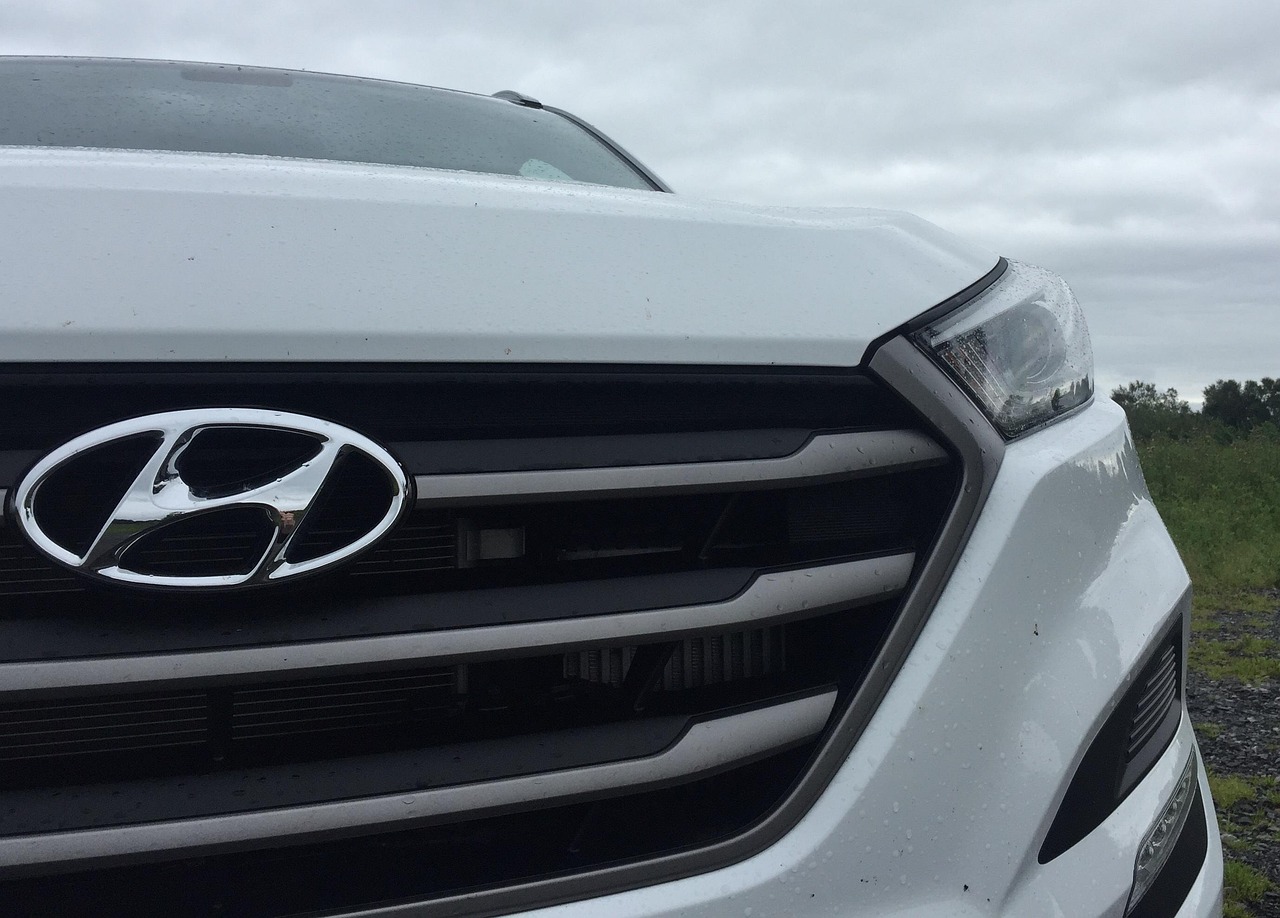
For more electric-vehicle context across automakers, follow the Roads News EV coverage.
Why the original Ioniq Electric was different
When Hyundai launched the first Ioniq family in 2016, the product strategy was unusual. One aerodynamic liftback body was engineered for three electrified powertrains. Hyundai described the Ioniq as the first vehicle offered from the start as a hybrid, plug-in hybrid and full battery-electric model. That gave buyers a choice at a time when EV infrastructure, range expectations and battery costs were still developing quickly.
The fully electric version used a front-mounted motor, a single-speed reduction gear and front-wheel drive. It was not built as a dedicated high-performance EV platform. Hyundai instead focused on light weight, low drag and practical packaging. That approach helped the early Ioniq Electric become one of the most efficient EVs in U.S. EPA ratings for its period, even though its battery capacity and driving range were modest compared with today’s mainstream electric vehicles.
This is also why the name can be confusing now. The original Ioniq Electric was a model variant. The newer uppercase IONIQ identity became Hyundai’s EV family name for vehicles such as the IONIQ 5, IONIQ 6 and IONIQ 9. A shopper searching for “Hyundai Ioniq Electric” may be looking at a used compact liftback, while a dealer listing that highlights “IONIQ” may refer to a much newer vehicle with a different platform and purpose.
Model-year range, battery and charging differences
The main split in the Ioniq Electric lineup is between the 2017-2019 version and the refreshed 2020-2021 version. The early car used a 28.0 kWh lithium-ion polymer battery and carried a 124-mile EPA range estimate. The later car moved to a 38.3 kWh battery, raising the EPA range estimate to 170 miles. Hyundai also increased output for the later version to 100 kW, or 134 horsepower, with 218 lb-ft of torque.
The table below consolidates Hyundai-published specification information with EPA/DOE fuel-economy listings. Equipment can vary by market and trim, so buyers should verify any specific vehicle by VIN and original window-sticker data where available.
| U.S. model years | Battery | EPA range | EPA combined efficiency | Level 2 charging | DC fast charging |
|---|---|---|---|---|---|
| 2017-2019 Ioniq Electric | 28.0 kWh lithium-ion polymer | 124 miles | 136 MPGe, about 25 kWh/100 miles | About 4 hours to just over 4 hours on 240V | Hyundai listed up to 80% in about 23 minutes on 100 kW DC, or about 30 minutes on 50 kW DC |
| 2020-2021 Ioniq Electric | 38.3 kWh lithium-ion polymer | 170 miles | 133 MPGe, about 25 kWh/100 miles | EPA listed 5.8 hours at 240V; Hyundai described roughly 6 hours on Level 2 | Hyundai listed up to 80% in about 54 minutes using a 100 kW DC fast charger |
The later car is the more versatile used choice because of the extra range. The older car can still make sense if the price, condition and daily driving distance line up. A 124-mile EV may be easy to live with when home charging is available and travel patterns are predictable. It becomes much less convenient if the driver regularly depends on public charging, covers long highway distances or lives where winter conditions sharply reduce range.
How the Ioniq Electric drives and fits daily use
The Ioniq Electric’s appeal is not acceleration theatre. It is a quiet, efficient hatchback with enough torque for city driving and normal commuting. The later 100 kW motor gives the car more confidence than the early 88 kW version, but neither should be confused with a modern performance EV. The real advantage is how little energy it uses to cover everyday miles.
EPA/DOE listings classify the 2021 Ioniq Electric as a midsize car under interior-volume rules, although many buyers think of it as a compact hatchback or liftback. That combination is central to its practicality. Public EPA-related data lists 23 cubic feet of luggage volume and 96 cubic feet of passenger volume for the 2021 model. In day-to-day use, the Ioniq Electric can work as a small family commuter, a city-focused rideshare-adjacent car or a second vehicle for households that already have a longer-range option.
Range planning needs to be realistic. The EPA estimate is a standardized comparison figure, not a guarantee. Highway speed, cold weather, tire condition, cabin heating, elevation, payload and battery age all affect usable distance. A 170-mile 2021 car may feel generous for a 35-mile commute and local errands. It may feel restrictive on a 140-mile winter highway drive with limited charging options. That gap between rated range and lived range is not unique to Hyundai, but it matters more when the battery is relatively small.
Why Hyundai discontinued it
The original Ioniq Electric left the U.S. lineup before the full Ioniq hatchback family ended globally. Industry reports and Hyundai product materials showed that the battery-electric hatchback was not carried into the U.S. 2022 model year. Hyundai then announced that production of the first Ioniq series would end at its Ulsan plant in July 2022.
The timing fit Hyundai’s broader EV shift. The company was moving the IONIQ name from a single multi-powertrain hatchback into a wider EV identity. The IONIQ 5 arrived as a dedicated electric crossover, followed by the IONIQ 6 sedan and later the three-row IONIQ 9. Those vehicles address a different market: many buyers now expect 250-plus miles of range, faster charging, more cabin space and crossover or SUV body styles. See also: AI.
As of September 2026, Hyundai’s U.S. materials list newer electric models with much higher advertised range ceilings than the old hatchback. The 2026 IONIQ 5 is listed at up to 318 EPA-estimated miles, the 2025 IONIQ 6 at up to 342 EPA-estimated miles, and the 2026 IONIQ 9 at up to 335 EPA-estimated miles depending on trim. That does not make the original Ioniq Electric irrelevant. It shows that its mission was different: maximize efficiency and keep the EV package compact, rather than compete in the long-range crossover segment.
Used-EV checks before buying
A used Hyundai Ioniq Electric can be a smart purchase only if the inspection matches the way the car will be used. Start by identifying the exact model year and battery version. A 2019 and a 2020 may look similar to casual shoppers, but the range difference is substantial. If a listing does not clearly state the battery size or EPA range, ask for the VIN, build date and original window sticker if available.
- Check recall status by VIN. NHTSA records show recall campaign 21V-944 for certain 2017-2019 Ioniq Electric vehicles involving EPCU software and ground wiring. A separate 21V-127 battery-related recall included a very small number of 2020 Ioniq Electric vehicles. Recall applicability depends on the specific VIN.
- Request battery-health evidence. A dashboard range estimate is not the same as a battery state-of-health report. If possible, ask a Hyundai dealer or qualified EV technician to read battery data.
- Test both AC and DC charging. Confirm that Level 2 charging works normally. If public fast charging will be part of normal use, verify DC fast-charging behavior before purchase.
- Inspect the 12V battery and service records. Like other EVs, the Ioniq Electric still relies on a 12V system for core vehicle functions. Age-related 12V problems can look like larger EV faults.
- Look beyond range. Tires, alignment, brake condition, coolant-service history, charging-port wear and accident history all influence the ownership experience.
Pricing should be judged locally rather than by a single national number. Mileage, battery condition, trim, accident history, remaining warranty, charger access and regional EV demand can move used values significantly. The right comparison is not only another Ioniq Electric; shoppers should also compare used Nissan Leaf, Chevrolet Bolt EV, Kia Niro EV, Hyundai Kona Electric and older Tesla Model 3 listings in the same market.
Who should still consider the Hyundai Ioniq Electric
The strongest fit is a driver with home or workplace charging, a predictable commute and a realistic view of range. In that use case, the Ioniq Electric’s efficiency can matter more than its absolute battery size. A smaller, efficient EV may cost less to buy, consume less energy and be easier to park than a larger crossover.
The weaker fit is a driver who needs one car for everything: frequent road trips, rural driving, cold-weather highway travel, heavy cargo use or regular reliance on unreliable public charging. For that buyer, a newer longer-range EV will usually be more convenient even if the purchase price is higher.
The Ioniq Electric’s lifecycle also shows how quickly the EV market changed. Hyundai did not abandon EVs when the hatchback ended; it changed the architecture, body style and branding strategy. The original car reflects an early EV market built around efficiency and experimentation. The newer IONIQ models show where mainstream demand moved next: more space, more range, faster charging and broader lifestyle appeal.
Frequently asked questions
Is the Hyundai Ioniq Electric discontinued?
Yes. In the U.S., the Ioniq Electric was not continued for the 2022 model year, and Hyundai ended production of the original Ioniq series at its Ulsan plant in July 2022. Used examples remain available through private sellers and dealers.
Is the Hyundai Ioniq Electric the same as the IONIQ 5?
No. The Ioniq Electric is the original battery-electric liftback. The IONIQ 5 is a newer dedicated electric crossover with a different platform, different packaging and much longer available range.
What is the range of the Hyundai Ioniq Electric?
EPA/DOE data lists 124 miles for 2017-2019 U.S. models and 170 miles for the updated 2020-2021 version. Real-world range depends on speed, temperature, terrain, tire condition, cabin heating or cooling, payload and battery age.
How long does it take to charge?
For the 2020-2021 Ioniq Electric, EPA data lists 5.8 hours on 240V Level 2 charging, while Hyundai described the car as taking roughly six hours. Hyundai also listed DC fast charging to 80% in about 54 minutes under suitable conditions. Earlier 28 kWh cars have shorter rated Level 2 and DC charging times because the battery is smaller.
Is the Hyundai Ioniq Electric a good used EV?
It can be, especially for commuting and local driving with dependable home charging. It is less compelling for drivers who need long highway range, frequent road-trip capability or the latest EV platform features. A pre-purchase inspection and VIN-specific recall check are essential.