



What Is the Common Problem in MG ZS EV?
The most common problems in the MG ZS EV center around its battery system. Issues such as inaccurate state-of-charge (SOC) readings, cell imbalance, and thermal management inefficiencies are frequently reported. These affect driving range, charging consistency, and long-term performance. While the vehicle’s powertrain is generally reliable, its electric battery pack and charging components require careful maintenance and diagnostic attention to maintain efficiency.
Overview of Battery Systems in the MG ZS EV
The MG ZS EV’s battery system defines much of its performance profile. Its design combines high energy density with complex electronic control, making it both powerful and sensitive to environmental and operational factors.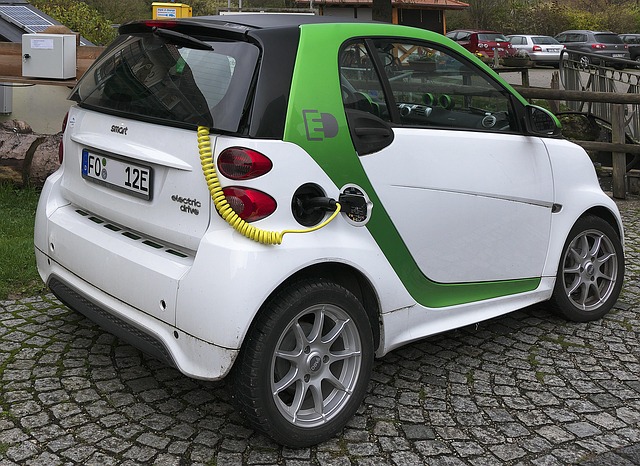
Structure and Composition of the MG ZS EV Battery Pack
The MG ZS EV uses a lithium-ion battery chemistry based on nickel-manganese-cobalt (NMC) cells. This composition offers a balance between energy density and thermal stability. The pack consists of multiple modules connected in series to achieve a nominal voltage around 350–400 volts. Each module contains several cells monitored by sensors for voltage and temperature.
Cooling is achieved through liquid circulation channels integrated into the pack baseplate. The system maintains uniform temperature across cells to prevent degradation from localized heating. The energy density allows compact packaging under the floor, improving vehicle balance while protecting the pack from external impacts.
Role of the Battery Management System (BMS)
The BMS acts as the supervisory unit for all high-voltage operations. It continuously monitors voltage, current flow, and temperature at both cell and module levels. When deviations occur, it adjusts charge or discharge rates accordingly.
Balancing cell voltages is crucial for longevity; even minor imbalances can lead to reduced usable capacity over time. The BMS communicates with vehicle control units through CAN protocols, allowing real-time diagnostics, fault detection, and safety shutdowns during abnormal conditions such as overcharge or short circuit events.
Common Battery Issues Observed in MG ZS EV
Battery-related faults are among the most discussed topics among MG ZS EV owners. While these do not typically pose immediate safety risks, they can influence usability and perception of reliability.
State-of-Charge (SOC) Inaccuracy and Calibration Problems
SOC inaccuracies often arise from sensor drift or software miscalibration within the BMS algorithms. When this occurs, drivers may notice sudden drops in displayed range or inconsistent SOC percentages after charging cycles. Such errors affect route planning confidence since range estimation becomes unreliable.
Recalibration via diagnostic tools or firmware updates can restore accuracy, but persistent discrepancies might indicate deeper sensor faults or outdated software versions that misinterpret voltage-to-capacity relationships.
Cell Imbalance and Degradation Patterns
Over time, some cells age faster than others due to manufacturing tolerances or uneven thermal exposure. This imbalance reduces total capacity because weaker cells limit overall discharge depth. Fast charging accelerates this process by stressing high-current pathways, especially when done repeatedly at low ambient temperatures.
Technicians often identify imbalance through increased internal resistance readings or temperature variations between modules during charge cycles—early signs that rebalancing or partial replacement may be necessary.
Thermal Management Inefficiencies
Thermal regulation challenges become evident under extreme climates. In hot regions, coolant pumps may struggle to dissipate heat efficiently; in cold conditions, preconditioning systems sometimes fail to warm cells adequately before fast charging.
A malfunctioning thermal sensor or blocked coolant line can trigger power limitation warnings on the dashboard. Prolonged exposure outside optimal temperature ranges accelerates electrolyte breakdown and capacity fade.
Charging System Malfunctions
Charging problems are divided into AC onboard charger faults and DC fast-charging irregularities.
AC Charging Faults
AC issues often involve poor communication between charger modules or improper plug connections causing intermittent charging stops. Grid voltage instability can also disrupt charging sessions by triggering protective cutoffs inside the onboard charger circuitry.
DC Fast Charging Irregularities
DC fast-charging interruptions typically stem from connector overheating or handshake failures between vehicle software and public chargers using different protocols. Drivers may see reduced charging rates or error codes indicating “charging interrupted.” Regular inspection of connectors for wear helps mitigate these occurrences.
Diagnostic Approaches for Identifying Battery Issues in MG ZS EV
Effective diagnosis relies on combining digital tools with physical inspection methods to reveal both electronic faults and mechanical degradation signs within the battery system.
Using Onboard Diagnostic (OBD-II) Tools and Data Logging Systems
Through OBD-II interfaces, engineers can access parameters like cell voltages, current draw, temperature gradients, and total pack resistance in real time. Diagnostic trouble codes (DTCs) specific to high-voltage systems provide insight into which module exhibits anomalies. Long-term data logging across several cycles helps detect gradual deterioration trends rather than isolated incidents.
Software-Based Diagnostics via Manufacturer Tools
MG’s proprietary diagnostic suite allows technicians to perform firmware-level analysis unavailable through generic OBD scanners. These tools recalibrate SOC algorithms after maintenance or replace modules without compromising pack balance integrity. Resetting BMS parameters ensures accurate data synchronization with other control units post-repair.
Physical Inspection and Electrical Testing Procedures
Visual inspection remains essential when diagnosing physical damage such as corrosion on terminals or coolant leaks near connectors.
Voltage and Resistance Measurements at Module Level
Measuring open-circuit voltages across modules identifies weak sections showing deviation greater than 0.05 volts compared to average values—a sign of imbalance requiring attention before further degradation spreads across parallel strings.
Thermal Imaging for Hotspot Detection
Infrared cameras reveal hotspots invisible during standard testing procedures. Uneven heat distribution often points toward high-resistance joints or partially shorted cells that need isolation before catastrophic failure occurs under load stress.
Preventive Maintenance Practices to Minimize Battery Issues
Preventive strategies play a vital role in extending service life while maintaining consistent driving performance across seasons.
Optimizing Charging Habits for Longevity
Experts recommend keeping daily SOC between 20% and 80% instead of full charges unless preparing for long trips. Storing vehicles fully charged for extended periods promotes chemical stress inside cells leading to capacity fade over months of inactivity.
Environmental Considerations in Battery Health Management
Parking under shade during summer reduces heat soak effects that raise pack temperatures post-drive. In colder climates, indoor parking aids thermal stability during overnight storage. Routine checks on coolant levels ensure proper flow through heat exchangers embedded beneath cell arrays—critical for preventing localized overheating zones that accelerate wear-out rates.
Future Developments in MG ZS EV Battery Diagnostics and Performance Enhancement
As electric mobility evolves rapidly, predictive analytics are reshaping how manufacturers handle maintenance schedules for vehicles like the MG ZS EV.
Advancements in Predictive Maintenance Algorithms
Machine learning models trained on historical battery data can forecast failure probabilities before symptoms appear physically. These algorithms analyze thousands of variables—temperature cycles, charge rates, voltage spreads—to predict when intervention will be needed without manual inspection intervals dictated by mileage alone.
Integration of Cloud-Based Monitoring Systems
Cloud connectivity enables remote diagnostics where fleet operators monitor battery health continuously through encrypted data streams sent from each vehicle’s telematics unit. Over-the-air updates refine BMS logic periodically while alerting service centers automatically if irregular patterns emerge across multiple units operating under similar conditions.
FAQ
Q1: Why does my MG ZS EV show sudden drops in range?
A: This usually results from inaccurate SOC calibration within the BMS software rather than actual loss of capacity.
Q2: How often should I perform a full charge cycle?
A: A complete 100% charge is recommended occasionally—perhaps once monthly—to recalibrate internal sensors but not as a daily routine practice.
Q3: Can frequent DC fast charging harm the battery?
A: Repeated fast-charging sessions at high current accelerate lithium plating on anodes which reduces long-term capacity retention rates.
Q4: What is considered normal operating temperature for MG ZS EV batteries?
A: Optimal range lies roughly between 20°C and 35°C; prolonged operation beyond this window increases degradation risks significantly.
Q5: How can I tell if my cooling system is malfunctioning?
A: Warning lights indicating reduced power output combined with elevated fan noise or uneven cabin cooling often signal coolant circulation issues within the pack’s thermal loop system.