



Skoda Epiq: The First Electric SUV Manufactured in Spain
Skoda’s decision to produce its first compact electric SUV, the Epiq, in Spain marks a turning point for both the brand and the Spanish automotive industry. It signals a strategic pivot toward electrification within the Volkswagen Group and positions Spain as a key manufacturing hub for Europe’s green mobility future. By combining modular engineering with sustainable production practices, the Skoda Epiq demonstrates how localized innovation can drive competitiveness in the fast-evolving electric vehicle (EV) market.
Skoda’s Strategic Move Into Spain’s Electric Vehicle Market
Skoda’s expansion into electric mobility is not a short-term experiment but part of a structured transformation plan under the Volkswagen Group. The Epiq project embodies this shift and aligns with Europe’s industrial decarbonization goals.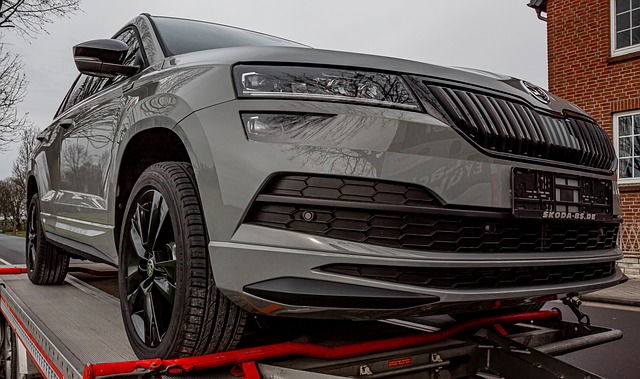
The Context of Skoda’s Electrification Strategy
Skoda has been steadily transitioning from internal combustion engines to fully electric vehicles through its “Next Level – Skoda Strategy 2030.” This roadmap aims to deliver multiple EV models across different segments while maintaining affordability and practicality. The Epiq fits precisely within this framework as an entry-level compact SUV built on shared Volkswagen Group architecture, helping balance economies of scale with brand differentiation. Spain’s role as a production base reinforces this strategy by providing logistical access to European markets and benefiting from existing supply networks around Catalonia and Valencia.
Spain’s Role in the European EV Ecosystem
Spain ranks among Europe’s top car-producing nations, supported by advanced logistics, skilled labor, and established component suppliers. Its government has introduced incentives such as the PERTE program for electric and connected vehicles, which encourages local assembly of EVs and battery components. These measures not only attract investment from automakers like Skoda but also strengthen Spain’s position within the EU Green Deal framework by fostering cleaner manufacturing ecosystems.
Design and Engineering Foundations of the Skoda Epiq
The Epiq is more than a new model; it is an engineering statement about what compact electric mobility can achieve when design meets modular innovation.
Platform and Technical Architecture
Built on Volkswagen Group’s MEB platform for compact SUVs, the Epiq benefits from scalable battery modules and flexible drivetrain configurations. This platform allows engineers to optimize weight distribution and maximize cabin space—two critical factors in EV performance. Expected range figures are projected around 400 kilometers on a single charge, with fast-charging capabilities that replenish most of the battery in under 30 minutes. Energy efficiency targets emphasize lightweight materials and regenerative braking systems that recover kinetic energy during urban driving cycles.
Design Philosophy and Functional Aesthetics
The Epiq adopts Skoda’s “Modern Solid” design language characterized by clean surfaces, robust proportions, and functional minimalism. Inside, recycled textiles and bio-based plastics replace conventional materials without compromising comfort or durability. Ergonomically, controls are simplified through a central touchscreen interface paired with tactile physical buttons for essential functions—a balance between digital convenience and intuitive usability that many drivers appreciate.
Manufacturing Excellence: The Spanish Production Advantage
Localizing production in Spain provides strategic benefits beyond cost efficiency—it embeds Skoda within one of Europe’s most dynamic industrial clusters dedicated to sustainable mobility.
Localization of Production in Spain
The chosen facility leverages existing Volkswagen infrastructure optimized for MEB-based models. With an estimated capacity exceeding 200,000 units annually, it allows flexibility to scale production as demand grows across Europe. Collaboration with Spanish suppliers fosters technology transfer while generating thousands of direct and indirect jobs, contributing significantly to regional economic resilience.
Sustainable Manufacturing Practices
Sustainability defines every step of Epiq production. Renewable electricity powers assembly lines sourced from solar farms integrated into plant operations. Circular economy principles guide material sourcing—aluminum scrap is reprocessed on-site, while water recycling systems reduce consumption by over 30 percent compared to traditional plants. Each vehicle undergoes life-cycle assessment to track carbon output from raw material extraction to end-of-life recycling.
Market Positioning and Competitive Landscape
As competition intensifies among compact electric SUVs, positioning becomes critical for brand differentiation.
Target Segments Within the European EV Market
The Skoda Epiq sits below the Enyaq iV in size and price, targeting urban professionals and families seeking accessible entry into electric mobility without sacrificing versatility. Consumer research indicates strong adoption potential among younger demographics prioritizing sustainability but sensitive to total cost of ownership. Pricing will likely align with mainstream rivals while offering advanced connectivity features typical of higher segments.
Competitive Comparison With Other Electric SUVs
Key Competitors in the Compact EV Segment
Competitors include Hyundai Kona Electric, Peugeot e‑2008, and Volkswagen ID.4—all well-established players offering similar range capabilities. However, Skoda differentiates through interior space optimization and pragmatic design rooted in everyday usability rather than luxury appeal. The brand’s reputation for reliability further strengthens its value proposition against trend-driven alternatives.
Technological Differentiators Driving Market Appeal
Epiq integrates next-generation driver-assistance systems based on AI algorithms capable of adaptive lane guidance and predictive safety responses. Over-the-air software updates extend functionality over time—an increasingly vital feature as vehicles evolve digitally post-sale—ensuring long-term relevance without hardware changes.
The Broader Impact on Spain’s Automotive Future
Skoda’s investment has broader implications beyond immediate production metrics; it contributes directly to national industrial renewal.
Strengthening Domestic Innovation Capacity
Partnerships between Skoda engineers, Spanish research institutions, and local startups are fostering R&D ecosystems focused on battery chemistry improvements, lightweight composites, and smart charging technologies. These collaborations cultivate specialized skills across Spain’s workforce—particularly in electromobility engineering—creating long-term competitiveness independent of foreign expertise.
Contribution to National Sustainability Goals
Spain aims to cut transport-related emissions by 32 percent before 2030 under EU climate directives. Locally produced skoda electric car models like the Epiq support this target by reducing import dependencies while promoting cleaner domestic fleets powered increasingly by renewable energy sources integrated into national grids.
Technological Evolution Beyond Epiq: Future Outlook for Skoda EVs in Spain
The momentum generated by the Epiq project sets a foundation for continuous innovation within both Skoda and Spain’s automotive sector.
Expansion Plans for Electric Mobility Infrastructure
Public-private partnerships are accelerating deployment of high-speed charging corridors across major highways connecting Madrid, Barcelona, and Valencia. Integration with smart grid systems enables dynamic load balancing where EVs contribute stored energy back into networks during peak demand periods—a model already piloted under EU Horizon programs.
Prospects for Next‑Generation Vehicle Development in Spain
Future plans include additional models sharing modular platforms tailored for various market niches—from city hatchbacks to midsize crossovers—all potentially assembled within Spanish facilities. Over time, this could transform Spain into one of Skoda’s principal European manufacturing nodes dedicated exclusively to electric mobility development.
FAQ
Q1: What makes the Skoda Epiq significant for Spain?
A: It is the first skoda electric car manufactured locally, symbolizing Spain’s rise as a major hub for sustainable automotive production within Europe.
Q2: How does the MEB platform benefit vehicle performance?
A: It allows flexible configurations for batteries and motors while improving weight balance and interior space efficiency crucial for compact SUVs.
Q3: What sustainability practices are used at the Spanish plant?
A: Renewable power sources drive operations; materials follow circular economy principles; water use is minimized through closed-loop recycling systems.
Q4: Who are Skoda Epiq’s main competitors?
A: Primary rivals include Hyundai Kona Electric, Peugeot e‑2008, Kia Niro EV, and Volkswagen ID series models targeting similar price brackets.
Q5: Will more Skoda EVs be produced in Spain?
A: Yes, future expansion plans indicate additional models may join production lines as part of broader electrification efforts under Volkswagen Group strategy.