


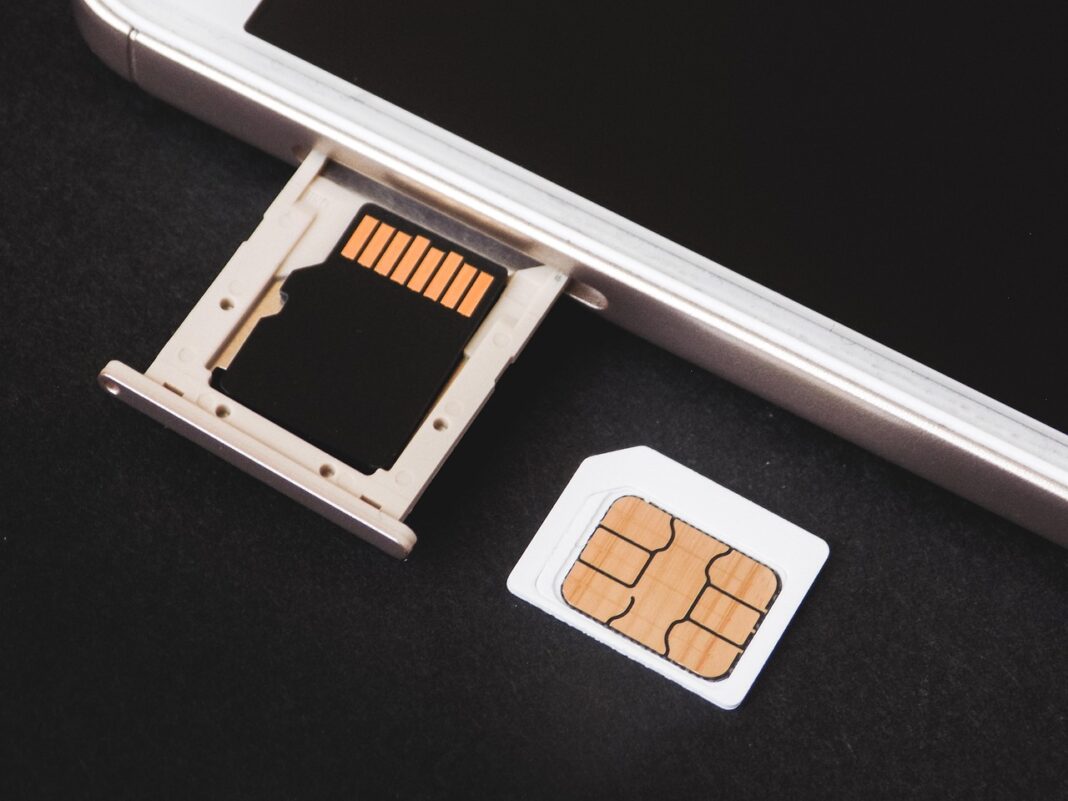

What a prepaid SIM card does
A prepaid SIM card lets a phone, tablet or mobile hotspot connect to a mobile network after the user pays for service in advance. The appeal is straightforward: there is usually no long contract, no unexpected month-end bill and, in many cases, no credit check. The buyer still needs to confirm device compatibility, coverage, data limits, activation rules and account security before depending on the service.
As of October 2026, the prepaid category also includes eSIM plans that can be activated digitally on compatible devices. For readers following phones, mobile accessories and connectivity trends, the Devices section covers the broader device landscape behind these choices.
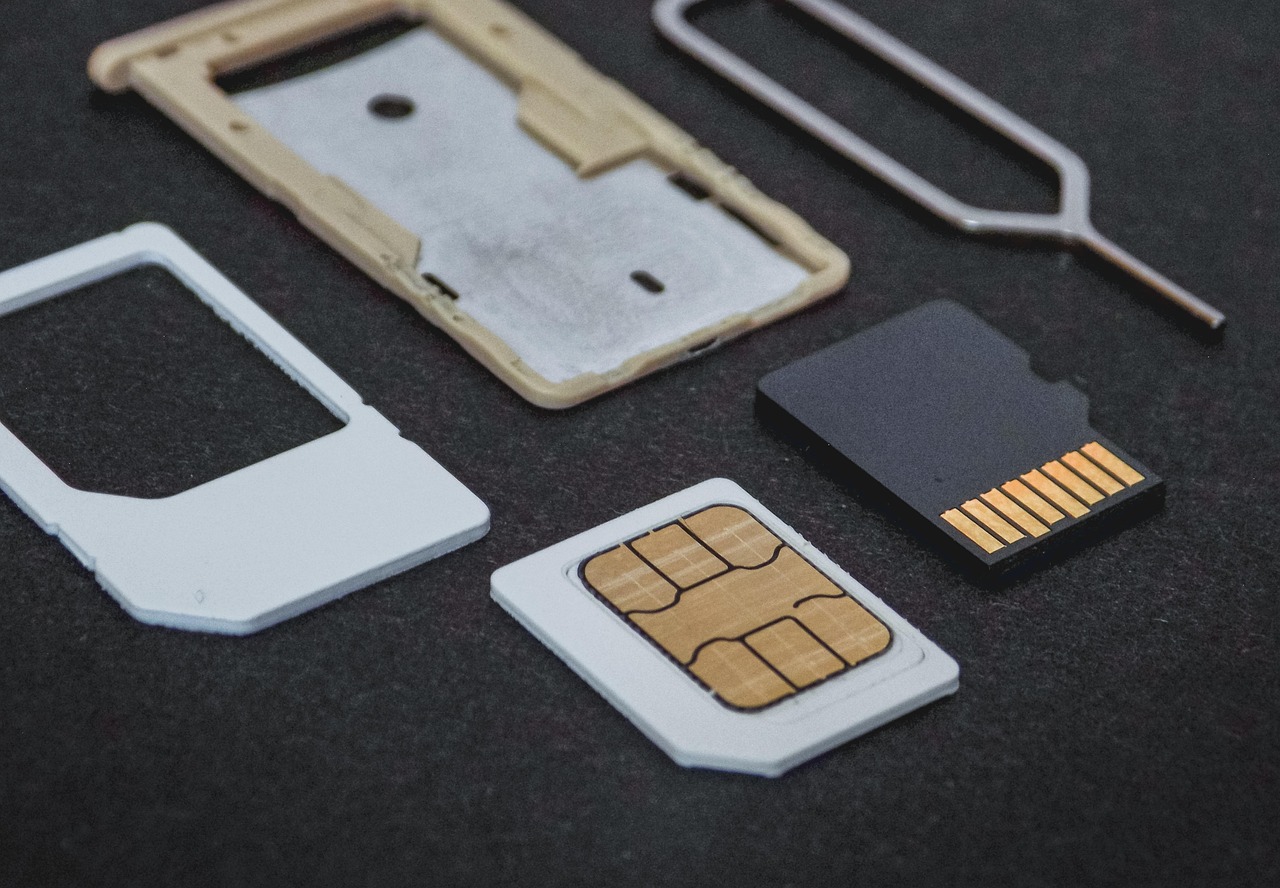
The term prepaid SIM card is often used broadly. In practice, it may refer to a removable plastic SIM, a carrier prepaid eSIM profile or a travel-focused data eSIM. All three identify a subscriber on a mobile network, but they differ in delivery, activation and the services included.
Physical SIM, eSIM and travel eSIM compared
The main change in prepaid service is that the card is no longer always a physical card. GSMA industry research has described eSIM as a growing part of consumer mobile connectivity, and device makers have increasingly shipped phones, tablets and wearables that can store digital SIM profiles. This matters because some newer devices may accept only eSIM in certain markets, while many budget phones and older handsets still depend on a physical SIM slot.
| Option | How it works | Strengths | Common limits |
|---|---|---|---|
| Physical prepaid SIM | A removable nano-SIM is inserted into a device. | Simple for many unlocked phones, easy to move between compatible devices, widely sold in stores. | Requires a SIM slot, may need in-store pickup or shipping, and can be lost or damaged. |
| Carrier prepaid eSIM | A mobile operator provisions service digitally, often through an app or QR-based activation flow. | Fast activation, no plastic card, useful for eSIM-only phones and dual-SIM setups. | Requires device support, carrier support and a reliable internet connection during setup. |
| Travel data eSIM | A provider sells short-term data access for one country, region or global bundle. | Convenient before arrival, useful for maps and messaging, avoids swapping the main SIM. | Often data-only, may not include a local phone number, SMS or emergency calling in the same way as a local carrier line. |
For many buyers, the real choice is not simply physical SIM versus eSIM. It is local carrier service versus travel connectivity, and full mobile service versus data access only. A traveler who mainly needs ride-hailing, maps and messaging may be fine with a data eSIM. A temporary worker, student or resident who needs a local number for banks, deliveries or government forms may be better served by a local prepaid SIM from a mobile operator.
Compatibility checks before you buy
The most common prepaid mistake is buying service before checking the device. A low advertised price is not useful if the phone is locked, lacks network support or cannot activate the required SIM format.
Confirm the phone is unlocked
An unlocked phone can use service from compatible carriers. A locked phone may work only with the original carrier until that carrier unlocks it under its policy. This is especially important for travelers buying local prepaid service and for consumers moving from a postpaid plan to a lower-cost prepaid brand.
Check SIM format and eSIM support
Most modern phones with a removable SIM slot use nano-SIM. eSIM activation requires both device support and carrier support. Do not assume that an eSIM-capable phone will work with every prepaid provider; the provider must support that device and its activation method.
Match the network and bands
A SIM does not create coverage by itself. It allows the device to authenticate on a network. The phone still needs to support the carrier’s 4G LTE and 5G bands in the area where it will be used. In the United States and many other markets, older 3G networks have been retired, so voice over LTE compatibility can matter for calls and emergency service on some networks.
Look beyond the coverage map
Coverage maps are useful, but they cannot predict every indoor, rural or crowded-event experience. If the prepaid SIM is needed for work, travel safety or backup connectivity, test it early instead of waiting until the day it becomes essential.
Plan terms that decide the real cost
The sticker price of a prepaid SIM card rarely shows the full cost. Buyers should compare plans against the way they will actually use the service: streaming, maps, video calls, mobile hotspot, local calls, international calls or only occasional messaging.
- Data allowance: Some plans include a fixed high-speed allowance and then slow speeds after the cap. Others sell small data bundles that stop working until topped up.
- Speed management: Prepaid brands may be deprioritized when a network is congested, depending on the carrier and plan. That can matter in airports, stadiums and dense city centers.
- Hotspot rules: Mobile hotspot or tethering may be included, capped or blocked. This is critical for laptop users and digital nomads.
- Voice and SMS: Travel eSIMs are often data-centered. If a local number, inbound texts or traditional calls are required, verify that they are included before purchase.
- Expiry period: A low-cost plan may expire quickly. Check whether unused data rolls over, expires at the end of the term or disappears when the account is inactive.
- International roaming: A domestic prepaid SIM may not roam at all, or roaming may require a separate add-on. Ofcom consumer guidance in the UK has highlighted buying a local SIM or eSIM as one way travelers can control roaming costs, but the right option depends on destination and usage.
- Activation and identity rules: Some countries require identity verification for SIM registration. Requirements vary by jurisdiction and may affect tourists, students and short-term workers.
For a practical comparison, calculate cost per day and cost per usable gigabyte, not just the headline price. A seven-day travel plan with enough high-speed data may be cheaper than a 30-day plan that looks economical but needs several top-ups. For residents, the better measure is often total monthly cost after taxes, fees and required add-ons.
Security and account risks buyers often miss
Prepaid service can reduce billing surprises, but it does not remove account security risks. SIM swap and port-out fraud remain serious concerns because a phone number is often used to receive login codes for banking, email and social accounts. The Federal Trade Commission has warned consumers that losing service unexpectedly, seeing unfamiliar account activity or receiving notices about changed credentials can be warning signs of SIM-related account takeover.
In November 2023, the Federal Communications Commission adopted rules intended to strengthen protections against SIM swap and port-out fraud. The rules require wireless providers to use more secure customer authentication methods and notify customers when SIM changes or port-out requests are made. The exact customer experience still varies by provider, but account protection should be part of plan selection. See also: AI.
Before activating a prepaid SIM, set a strong account PIN, avoid reusing passwords, enable app-based authentication where possible and ask whether the provider offers number lock, port-out lock or extra account verification. For important financial and email accounts, an authenticator app or hardware security key is safer than relying only on SMS codes.
Privacy also deserves attention. A travel eSIM app or prepaid carrier may collect account, device and location-related information needed to provide service. Review the privacy policy, especially if the service will be used for work devices, children’s devices or cross-border travel.
Who should choose prepaid and who should not
A prepaid SIM card is usually a strong fit for travelers, students, second phones, temporary workers, children’s phones, backup internet devices and anyone who wants tighter control over mobile spending. It also works well for users who understand their data needs and prefer to top up only when necessary.
Prepaid may be less suitable for heavy international callers, families wanting shared device financing, users who need premium roaming bundles or professionals who require guaranteed priority data during congestion. Postpaid plans can still make sense when they include device subsidies, multi-line discounts, customer support features or international benefits that the user will actually use.
The editorial view is simple: prepaid is not automatically cheaper, and postpaid is not automatically better. The right choice depends on risk tolerance, device support, travel pattern and whether the user values flexibility more than bundled services.
A buying checklist for prepaid SIM cards
- Confirm the phone is unlocked and supports the carrier or eSIM provider.
- Check whether the plan is physical SIM, carrier eSIM or travel data eSIM.
- Verify coverage in the exact cities, routes or buildings where service is needed.
- Read the high-speed data cap, hotspot rule and throttling policy.
- Check whether voice, SMS and a local number are included.
- Review activation steps, identity requirements and refund limits before paying.
- Set an account PIN and enable any available number-lock or port-out protection.
- Test the SIM before relying on it for work, travel or emergency communication.
For most buyers, this checklist prevents the biggest failures: incompatible devices, hidden plan limits, weak indoor coverage and avoidable account-security exposure.
Frequently asked questions
Is a prepaid SIM card the same as an eSIM?
No. Prepaid describes how the service is paid for. SIM describes how the service is provisioned. A prepaid plan can use a physical SIM card or an eSIM profile, depending on the device and provider.
Can I keep my number with a prepaid SIM card?
Often yes, if the provider supports number transfer and the number is eligible. In the United States, porting a number usually requires account information from the previous provider. Because port-out fraud is a known risk, expect identity and authorization checks during the process.
Do prepaid SIM cards work for international travel?
They can, but the details matter. A local prepaid SIM can provide local rates and sometimes a local number. A travel eSIM can be easier to activate before arrival but may be data-only. Standard roaming from a home carrier may be more convenient, but it can cost more unless the plan includes travel benefits.
Will a prepaid SIM card give me 5G?
Only if the plan, carrier network, device and location all support 5G. Some prepaid plans include 5G access, while others may limit speed or prioritize traffic differently from premium postpaid tiers.
What should I do before replacing my main SIM with prepaid service?
Back up important contacts, verify two-factor authentication methods, update account recovery options and test the new service while the old line still works. If the number is linked to banks or email accounts, make sure you can still receive security alerts after the switch.